By the Facility Pest Control team, reviewed by Sam Karbelnig, owner
When it comes to stinging insects, wasps are among the most misunderstood. While they’re often seen as aggressive and unwelcome guests during backyard barbecues or outdoor projects, wasps play a surprisingly important role in our ecosystem. However, knowing more about them, especially how long wasps live, can help you better manage infestations and reduce the risk of unwanted encounters around you
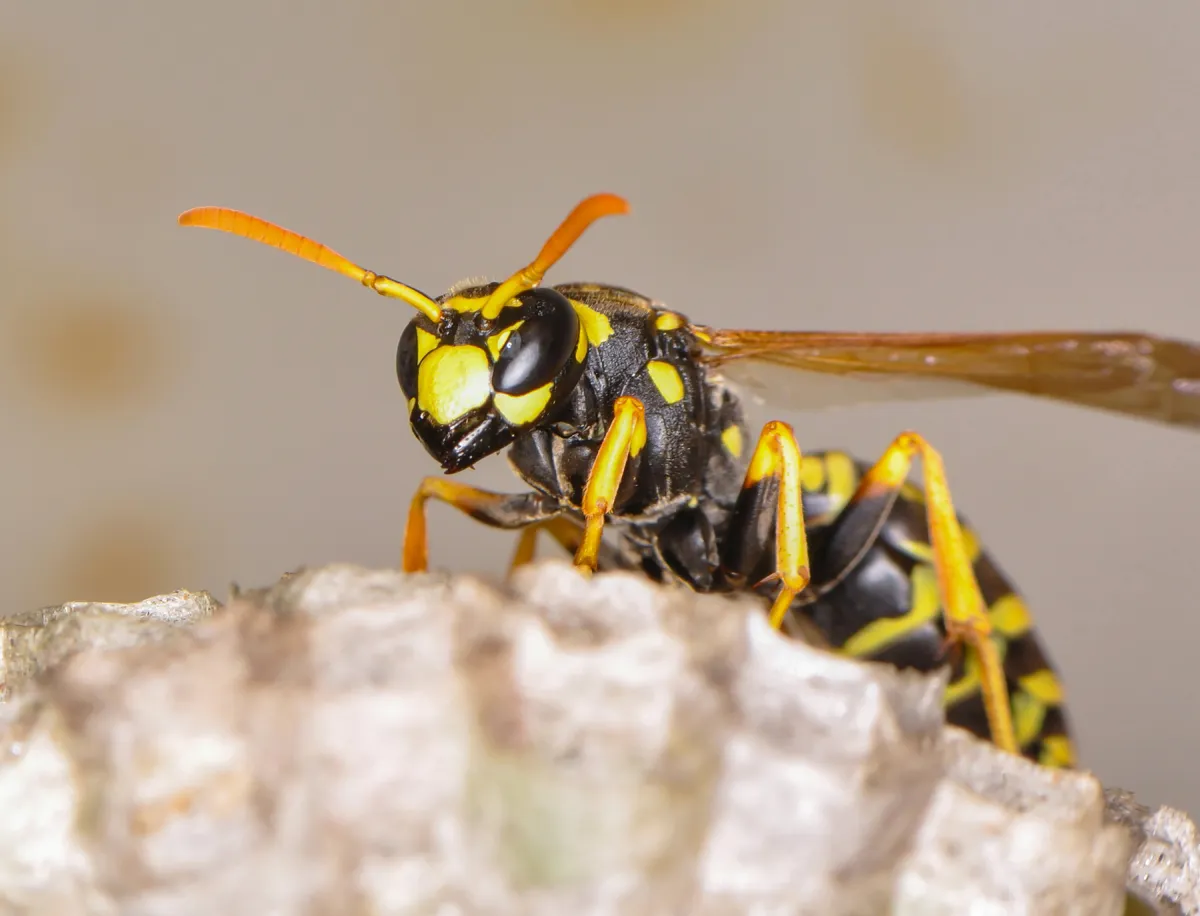
When it comes to stinging insects, wasps are among the most misunderstood. While they’re often seen as aggressive and unwelcome guests during backyard barbecues or outdoor projects, wasps play a surprisingly important role in our ecosystem. However, knowing more about them, especially how long wasps live, can help you better manage infestations and reduce the risk of unwanted encounters around your home.
In this article, we’ll break down the wasp life cycle, cover the key factors that affect their lifespan, and explain what to expect when a wasp finds its way indoors. If you’re noticing increased activity near your home, this guide will help you decide when it’s time to search for professional wasp control.
Wasp Life Cycle: From Egg to Adult
To understand the lifespan of a wasp, it’s helpful to know how they develop. Wasps go through four stages in their lifecycle: egg, larva, pupa, and adult. This process typically takes place within a nest, and it’s guided by the colony’s queen. Understanding this lifecycle can also help an exterminator in Simi Valley determine the right approach for managing wasp activity.
The Queen
The queen begins the cycle in early spring after emerging from winter hibernation. She selects a nesting site and lays eggs, which hatch into larvae. These larvae become the colony’s first worker wasps. Throughout the warmer months, the queen continues to lay eggs while the workers take care of building and defending the nest.
Worker Wasps
Worker wasps sterile females are responsible for feeding larvae, foraging for food, and expanding the nest. These are the wasps you’ll most likely encounter around your yard, trash cans, or picnic tables. Their lifespan is relatively short on average 15 to 30 days but they play an essential role in colony survival.
Male Wasps
Male wasps (drones) are produced later in the season. Their sole purpose is to mate with new queens. After mating, they typically die shortly afterward, with a lifespan averaging only a few days to a couple of weeks.
New Queens
Fertilized queens are the only wasps that survive the winter. They hibernate in protected areas like attics, wall voids, tree bark, or beneath rocks. When spring arrives, they emerge to start the cycle again.
So, How Long Do Wasps Live?
There is no one-size-fits-all answer because a wasp’s lifespan depends on its role in the colony:
- Worker wasps: 2 to 4 weeks
- Male wasps: 1 to 2 weeks
- Queen wasps: Up to 12 months, depending on survival during hibernation
Environmental factors like climate, food availability, and human interference (such as pest control efforts) can also impact their longevity.
How Long Do Wasps Live Indoors?
If a wasp gets trapped inside your home, its survival odds drop significantly. Without access to food, water, or proper nesting conditions, a wasp will generally only survive for 1 to 3 days indoors. However, if it finds a food source like overripe fruit, sugary spills, or other insects it might survive for up to a week.
Still, wasps inside your home are a sign of a potential problem. Whether it entered through an open window or emerged from a hidden nest, you’ll want to investigate further and consider reaching out to pest control in Simi Valley to prevent recurring issues.
Signs of a Wasp Infestation
Wasps are typically most active from late spring through early fall. If you’re noticing consistent activity around your home, here are some signs that you may have a nearby nest:
- Increased sightings of wasps near windows, eaves, or vents
- Buzzing or tapping sounds in walls or ceilings
- Visible paper-like nests under eaves, decks, sheds, or attics
- Wasps entering and exiting a specific area regularly
The presence of a nest increases the chance of stings, especially if the colony feels threatened. If you’re seeing a lot of activity, it’s best not to approach the nest and instead search for wasp control.
Why Wasps Are Attracted to Your Home
Wasps are drawn to food sources and shelter. Common attractants include:
- Sugary drinks or food left outdoors
- Protein sources like meats or pet food
- Trash bins without secure lids
- Open entry points like vents, cracks, or gaps
- Warm, sheltered areas for nesting (attics, eaves, wall voids)
Limiting these factors can help reduce wasp activity, but if a nest is already established, professional help may be required.
How to Prevent Wasps Around Your Property
Preventive measures are often the best way to keep wasps away. Here are a few tips to protect your space:
- Seal cracks and crevices around doors, windows, and foundations
- Cover outdoor trash and compost bins
- Keep sugary foods and drinks sealed or indoors
- Install mesh screens over vents and attic openings
- Remove fallen fruit from trees promptly
If you’ve had wasp issues in the past, proactive maintenance and inspection from a pest control in Simi Valley, CA can go a long way in ensuring they don’t return.
Should You Remove a Wasp Nest on Your Own?
Attempting to remove a wasp nest yourself can be dangerous. Wasps become highly aggressive when their nest is threatened, and stings can lead to severe allergic reactions for some individuals. In most cases, it’s safest to call a licensed pest control expert who can evaluate and safely remove the nest.
If you’re dealing with repeated wasp problems or aren’t sure where they’re coming from, now’s a good time to look into how long do wasps live indoors and evaluate possible entry points in your home.
Frequently Asked Questions
How long do wasps typically live?
Worker wasps usually live 2–4 weeks, males about 1–2 weeks, while queens can live up to 12 months.
How long can a wasp survive indoors?
A wasp typically survives 1–3 days indoors without food, water, or suitable nesting conditions.
What are the signs of a wasp infestation?
Common signs include frequent wasp sightings, visible nests, buzzing in walls or ceilings, and wasps repeatedly entering and leaving one area.
Should I remove a wasp nest myself?
It’s safer to avoid disturbing an active nest. Professional pest control can assess the situation and remove the nest safely.
About Facility Pest Control
Facility Pest Control is a trusted, family-owned pest control company serving Simi Valley, CA, with personalized service for homes and businesses. We offer monthly, hybrid, and bi-monthly plans covering common pests such as ants, spiders, roaches, crickets, earwigs, and wasps. Our services include exterior and interior treatments using family- and pet-safe organic products, backed by a 30-day guarantee. We also provide mosquito control through fogging, barrier sprays, and In2Care mosquito buckets.
Protect Your Home From Wasps
Don’t let an active wasp nest put your family at risk. Facility Pest Control provides professional wasp control and personalized pest management solutions. Contact us today to schedule an inspection and protect your home.
LEARN MORE HERE:
How to Safely Handle a Wasp Infestation: Prevention Tips and Professional Solutions