By the Facility Pest Control team, reviewed by Sam Karbelnig, owner
It is unsafe to remove a bee or wasp nest without professional equipment and training because disrupting a colony triggers an immediate, coordinated stinging assault fueled by alarm pheromones. Lacking specialized protective gear leaves you vulnerable to systemic envenomation, while amateur removal methods frequently cause insects to flood into adjacent living spaces. Furthermore, structural nests
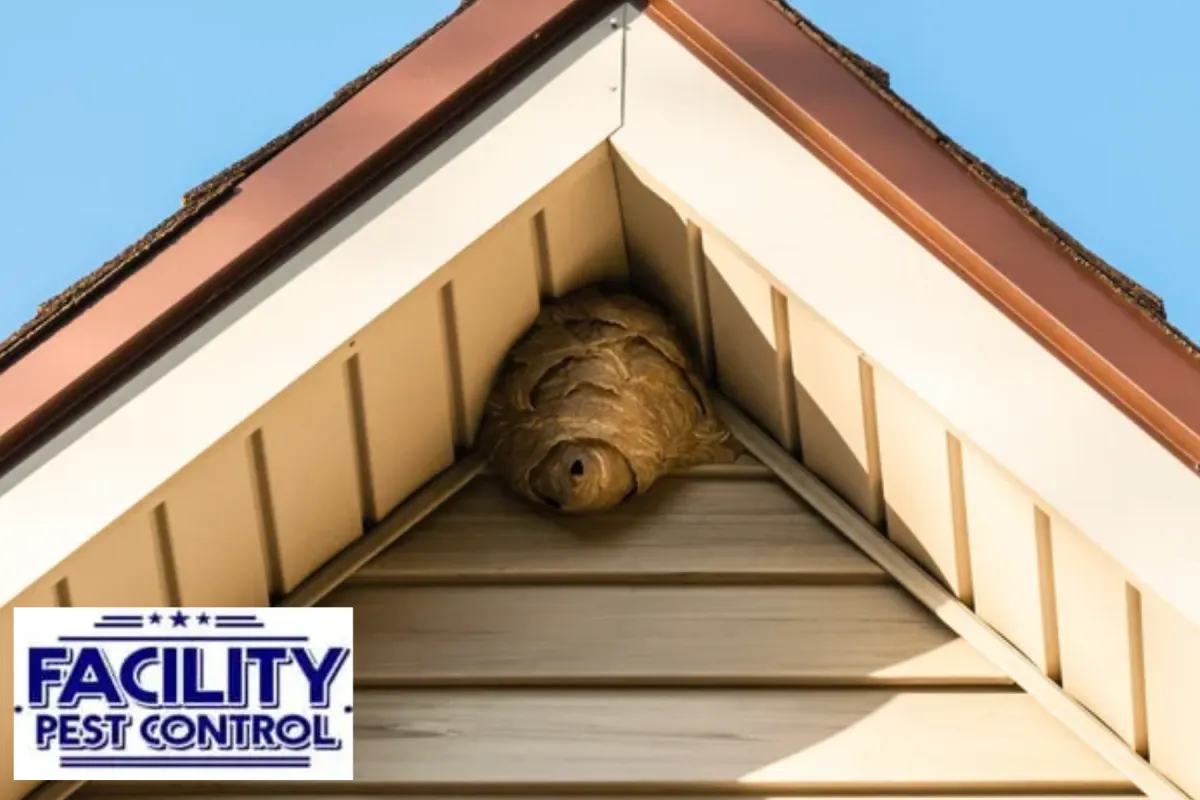
It is unsafe to remove a bee or wasp nest without professional equipment and training because disrupting a colony triggers an immediate, coordinated stinging assault fueled by alarm pheromones. Lacking specialized protective gear leaves you vulnerable to systemic envenomation, while amateur removal methods frequently cause insects to flood into adjacent living spaces. Furthermore, structural nests require precise extraction to prevent secondary architectural decay and re-infestation.
The Coordinated Assault: Defensive Biology vs. Amateurs
Stinging insects operate under a highly sophisticated, colony-first survival mandate. When an untrained individual approaches a nesting envelope, they face biological defense systems specifically evolved to neutralize large threats. Calling a professional bee and wasp exterminator ensures safe and effective removal while minimizing risk.
Critical Safety Risks of DIY Nest Disruptions
- Pheromone-Driven Swarming: When a guard wasp or bee senses a threat, it releases volatile chemical compounds called alarm pheromones. Within seconds, this airborne signal alerts thousands of hidden nestmates, converting a peaceful colony into a highly coordinated swarming attack.
- Multiple Stinging Capabilities: Unlike honeybees, which possess barbed stingers that pull out after a single use, wasps, hornets, and yellow jackets have smooth stingers. This anatomical structure allows a single insect to repeatedly pierce human skin and inject venom without losing its stinger.
- Heightened Fall and Ladder Risks: A significant percentage of DIY emergency room visits are not caused by stings alone, but by panic-induced falls. Attempting to spray or displace a nest while balancing on a high ladder leads to immediate loss of balance when insects attack.
- The Structural Backflash Effect: Knocking a nest loose or sealing an exterior entry hole without controlling the hidden colony causes desperate insects to chew inward along electrical conduits and drywall lines, flooding your main living spaces.
Hazard Assessment: Retail Intervention vs. Certified Mitigation
To understand the immense danger of unequipped removal, it helps to analyze how basic retail methods compare to professional control standards. Working with a trusted exterminator in Van Nuys, CA ensures that special equipment is used, highlighting why professional standards are a non-negotiable safety baseline
| Danger Metric / Feature | DIY Over-the-Counter Methods | Professional Certified Extraction |
| Protective Armor | Standard clothing or basic sweaters; easily pierced by 2- to 3-mm stingers. | Heavy-duty ventilated suits with double-layer mesh, secure zippers, and polycarbonate veils. |
| Material Range | Short-range spray cans require close physical proximity and allow little margin for error. | Extended-reach delivery rods and specialized non-repellent tracking dusts for deep structural voids. |
| Colony Management | Agitates the outer perimeter, leaving the core reproductive engine fully functional. | Completely neutralizes or safely relocates the entire population, including hidden queens. |
| Structural Cleanup | Leaves behind highly attractive honeycombs or pupae, inviting rot and secondary pests. | Complete physical removal of structural nesting mediums followed by chemical sanitization. |
Debunking the Myth: “Spraying a Nest at Night Completely Controls the Risk of Stings”
The Misconception: “Because stinging insects are less active in the dark and cold, you can safely approach any outdoor nest at night with a flashlight and a can of spray without any risk of being attacked.”
This widespread industry myth gives property owners a false sense of security, frequently resulting in severe envenomation injuries. Homeowners dealing with structural hives who are looking for an experienced exterminator in Van Nuys often recount how an attempt to spray a nest after dark quickly went wrong. While it is true that bees and wasps do not forage in the dark, the colony remains intact and awake inside the nest.
Approaching a nest at night with a flashlight actually creates a highly dangerous situation. Stinging insects are acutely sensitive to light vibrations and heat. The moment a flashlight beam hits the nest envelope, the insects do not stay put; they track the light source directly back to its origin. Because they are disoriented by the darkness, they fly aggressively toward the light beam, instantly covering your hands, face, and clothes. Furthermore, because the entire foraging population is home at night rather than out in the fields, you face the maximum number of potential stings inside that specific colony.
Applying Our Specialized Protection Systems to Solve This
At Facility Pest Control, we are a family-owned, customer-focused business that understands how stressful a stinging insect infestation can be. We prioritize professionalism, efficiency, and affordability, rejecting one-size-fits-all treatments in favor of highly customized plans. During a recent structural rescue for a residential property owner in Van Nuys, our team successfully isolated an aggressive yellow jacket colony that had established itself behind a stucco wall void, ensuring the safety of the entire household.
Safe and Humane Relocation
We believe in tailored solutions that balance environmental safety with human comfort. Whenever our technicians encounter beneficial honeybee populations, we emphasize a safe and humane removal process. Instead of flooding the hive with indiscriminate chemicals, we focus on careful physical extractions, working hard to safely transition the entire colony to local apiaries where they can continue their vital work as nature’s pollinators. This protective care keeps beneficial insects safe while removing the threat from your property.
Precision Material Engineering
When dealing with aggressive wood-boring or paper wasps that threaten your home’s structures, our certified specialists execute a unique action plan designed around the specific biology of that species. We deploy premium, EPA-registered pesticides carefully targeted for maximum performance. Because we use environmentally friendly treatment applications, we ensure the safety of your family, customers, and pets. Our long-range delivery systems deposit these materials precisely within the colony core, resolving the problem without exposing your property to unnecessary risks and making us a dependable choice for pest control in Van Nuys, CA.
Technical Specifications of Professional Stinging Insect Armor
- Three-Layer Ventilated Mesh: Suit material specifications featuring a sandwich layer thicker than the maximum length of a mature hornet’s stinger, preventing fabric penetration.
- Non-Repellent Micro-Dusts: Active element profiles engineered to cling to insect bodies through electrostatic charge, allowing workers to track the material deep into the queen’s chamber.
- Thermal Inversion Imaging: High-resolution tracking sensors utilized to map out the exact physical boundaries and heat signatures of hidden structural nests behind drywall or siding before application.
- Pheromone Neutralizing Solvents: Specialized enzyme compounds designed to break down hydrophobic silk proteins and chemical markers left behind on building trim.
People Also Ask (FAQ)
What should I do if I discover a large wasp nest inside my attic or wall void?
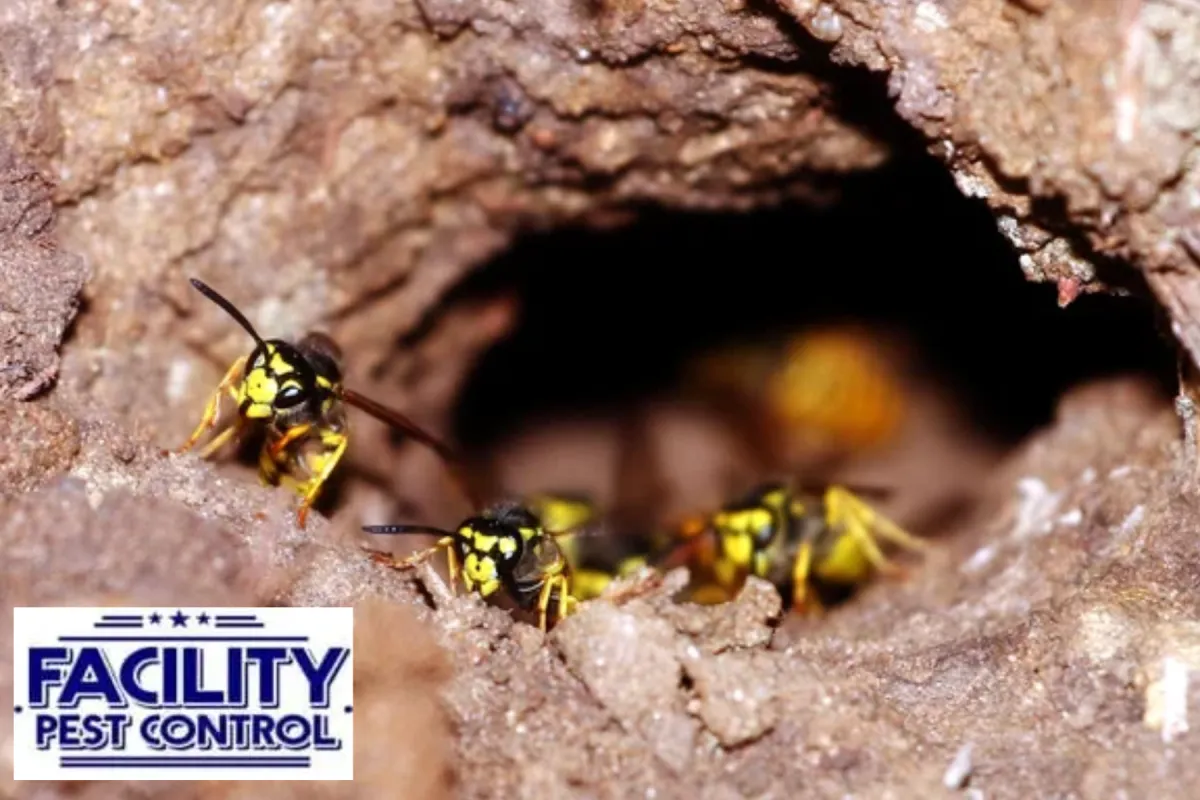
Do not seal the exterior entry hole under any circumstances. Sealing the exit traps thousands of aggressive insects inside your wall envelope, forcing them to chew through soft drywall and plaster to escape, which drives the entire swarm directly into your living spaces. Leave the hole open and call an expert immediately.
Can honeybee nests be sprayed with standard insecticide products?
No. Spraying a honeybee colony poses significant environmental risks and leaves heavy wax and honey deposits inside your walls that will melt, leading to severe structural rot, foul odors, and secondary pest infestations such as mice and carpet beetles. They must be safely cut out and relocated by trained handlers.
How far away should I stand from an active hornet nest to remain safe?
As a general rule, maintain a minimum safety perimeter of 15 to 20 feet from any active, visible nesting envelope. Approaching closer can trigger their natural territorial radar, causing guard wasps to launch a defensive attack even if you do not physically touch the structure.
What sets a professional exterminator apart from retail spray cans?
Professional teams use full-body sealed suits, advanced thermal imaging to trace hidden hives, and specialized tools to completely extract the nest. Retail cans only irritate the insects’ outer layer, which can lead to defensive swarming and accidental stings.
Reclaim the Safety of Your Property Today
Attempting to resolve a volatile stinging-insect infestation with basic retail tools puts your health, family, and property at immense risk. At Facility Pest Control, we want to give you true peace of mind and relief by keeping your environment safe, healthy, and bug-free. We stand out by offering specialized, personal attention that large corporations simply cannot provide.
We focus on building lifelong customer relationships and ensuring dependable, long-term results. All of our specialized services come backed by honest guarantees. To show our gratitude to our local community, we are proud to offer special discounts for healthcare workers, military personnel, first responders, teachers, and senior citizens across all our locations.
Don’t let persistent infestations disrupt your daily life or make your yard unsafe for your children and pets. Take a proactive step toward lasting peace of mind. Contact us today to schedule a completely free inspection or to speak directly with an expert. Let our family protect yours with the reliable care you deserve.