By the Facility Pest Control team, reviewed by Sam Karbelnig, owner
To identify the difference between termite swarmers and flying ants, look at three key physical markers: waist shape (termites have a thick, straight waist; ants have a pinched, narrow waist), antenna shape (termites have straight, beaded antennae; ants have elbowed ones), and wing length (termite wings are equal in length, while ant wings have a larger front pair). Distinguishing them is critical
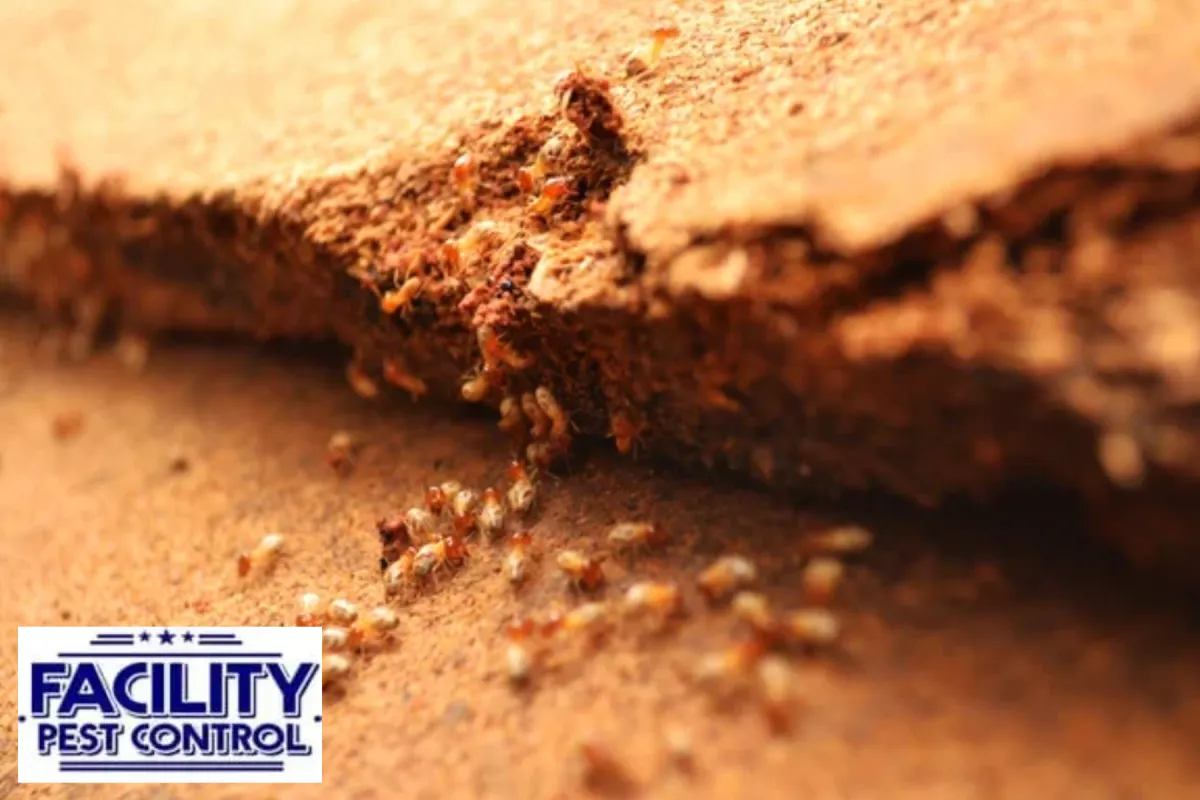
To identify the difference between termite swarmers and flying ants, look at three key physical markers: waist shape (termites have a thick, straight waist; ants have a pinched, narrow waist), antenna shape (termites have straight, beaded antennae; ants have elbowed ones), and wing length (termite wings are equal in length, while ant wings have a larger front pair). Distinguishing them is critical because treatment for one rarely works for the other.
Identifying the Intruder: A Comparison of Physical Anatomy
When you see a cloud of winged insects inside your home, your first instinct is likely to reach for a can of spray. However, misidentifying these pests can lead to wasted money and a false sense of security. As a family-owned team providing pest control in Van Nuys, CA, we have seen many homeowners mistake a serious termite infestation for a simple seasonal ant swarm.
| Feature | Termite Swarmer | Flying Ant |
| Waist | Thick, straight, and uniform | Pinched, narrow “wasp-like” waist |
| Antennae | Straight and beaded | Elbowed or jointed |
| Wings | Two pairs of equal length | The front pair is longer than the back pair |
| Body Shape | Two distinct segments | Three distinct segments |
The stakes are high. While flying ants, even wood-boring ones like carpenter ants, are primarily a nuisance, subterranean termites are structural threats that cause thousands of dollars in damage by consuming cellulose within your walls.
Three Steps to Field Identification
Don’t panic if you find yourself in the middle of a swarm. Use these three professional field identification techniques to narrow down the culprit:
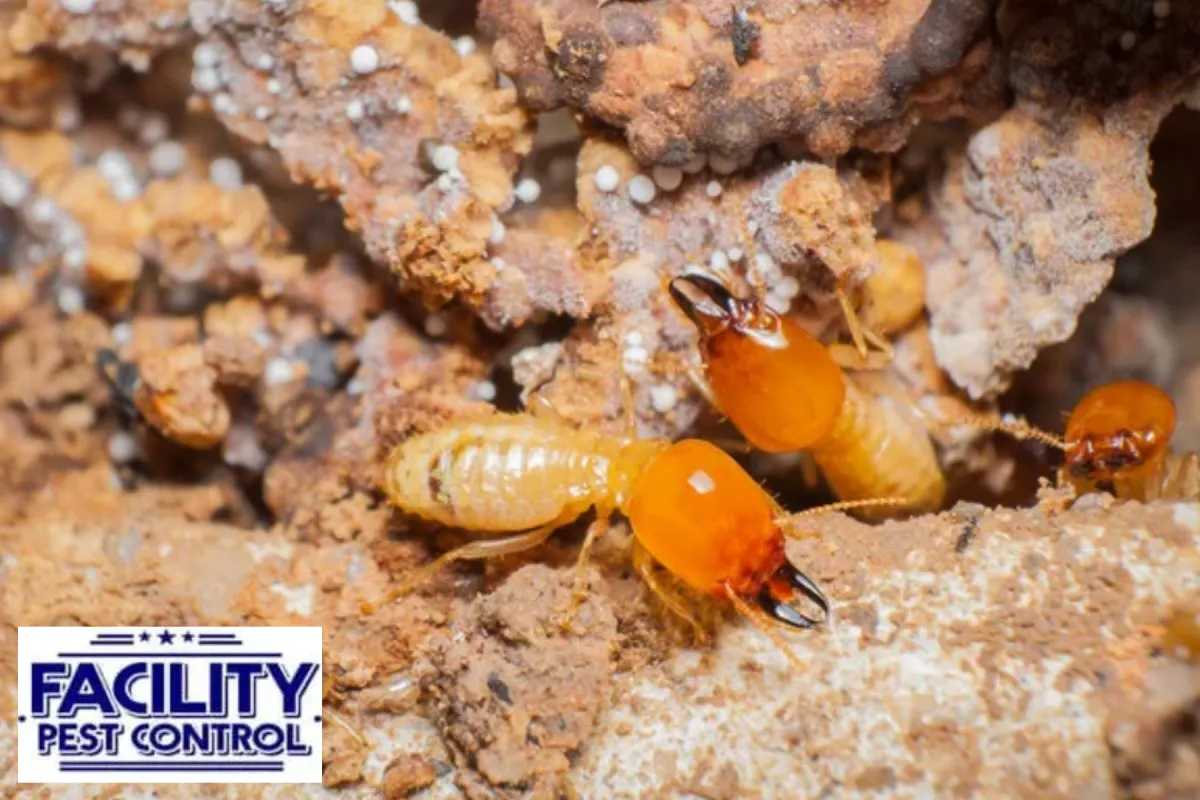
- The Shed Wing Test: Termites are “clumsy” reproductive insects that shed their wings almost immediately after landing to begin mating. If you find piles of discarded, silvery, identical wings on windowsills or near entry points, you are likely looking at termites.
- The Magnification Check: Use your smartphone camera to zoom in on the antennae. If they look like a straight string of tiny pearls, it is a termite; if they have a distinct “elbow” or L-shape bend, it is an ant.
- The Flight Pattern Observation: Ants are agile aviators with targeted flight paths. Termite swarmers flutter weakly and are drawn almost exclusively to light sources like lamps or sunlit windows.
During a recent inspection for a homeowner in our service areas, we discovered that what appeared to be a simple ant nuisance was actually a subterranean colony breaching the subflooring. Early identification and professional termite control prevented a total floor replacement.
Our Proprietary Protection Framework
At Facility Pest Control, we don’t believe in the “spray and pray” method. We solve the root cause of the infestation through a systematic approach:
- Early Detection: We look beyond the winged swarmers to find “conduits” like mud tubes, pencil-sized tunnels made of soil and saliva that protect termites from dehydration.
- Exclusion Techniques: Once identified, we seal entry points and moisture-heavy breach zones to ensure pests cannot return.
- Professional Expertise: Our technicians are trained to distinguish species-specific behaviors, ensuring we don’t apply ant treatments to a termite problem.
- Preventative Measures: We modify the environment around your home, focusing on soil-to-wood contact and drainage to make your property unattractive to future colonies.
- Guaranteed Protection: We stand by our work. If the pests return, so do we, at no additional cost to you.
- Peace of Mind Assurance: As a family business, we treat your home like our own, ensuring you feel secure knowing a reliable partner is guarding your investment.
Debunking the “Dead Swarmer” Myth
The Myth: “I found a bunch of dead winged bugs and cleaned them up. Since they’re dead, the colony must be gone.”
The Reality: Seeing dead swarmers is actually an indicator of a thriving colony nearby. Swarmers (alates) are produced only when a colony reaches maturity. If you see them inside your home, they likely emerged from within your foundation. While the swarmers don’t eat wood, the worker termites stay behind, tunneling 24/7. When you need an exterminator in Van Nuys, you need someone who understands that the swarm is just the warning sign of a much larger, hidden problem.
Why Tailored Solutions Matter
Large corporate pest control companies often use a one-size-fits-all approach that ignores local climate variables. If you are looking for an exterminator in Van Nuys, CA, you deserve a technician who understands the specific soil conditions and moisture levels of the San Fernando Valley. We provide specialized attention that protects both your family and the environment through environmentally friendly treatments.
We are proud to offer specialized discounts for those who serve our community, including healthcare workers, military personnel, first responders, teachers, and senior citizens. It’s our way of supporting the neighbors who make our service area a better place to live.
People Also Ask (FAQ)
Can I get rid of termites myself with store-bought spray?
DIY sprays kill the insects they hit, but rarely reach the queen or the heart of the colony deep within structural beams. Professional-grade soil treatments are required for total control.
Are flying ants dangerous?
Most are harmless, though Carpenter ants can nest inside wood and cause minor damage over several years. They do not eat wood for food, unlike termites.
What time of year do these pests swarm?
In Southern California, including Van Nuys, termites often swarm after the first warm rains of spring. Ants are more opportunistic and may swarm throughout the summer.
How do I know if I need termite control or just an ant bait?
If you see mud tubes, hollow-sounding wood, or discarded wings of equal length, seek a solution immediately. Ant infestations are usually identified by visible “scout” trails leading to food sources.
Conclusion: Don’t Guess, Protect Your Home
Identification is the first step toward a home under control. Misidentifying a termite as an ant can lead to years of hidden structural damage. Facility Pest Control is dedicated to providing personalized, professional service that keeps your property safe and your family healthy.
Ready to get started?
Don’t let pests disrupt your life. Schedule a service today with Facility Pest Control to receive a solution tailored to your specific needs. Contact us today to learn how we defend your home.