By the Facility Pest Control team, reviewed by Sam Karbelnig, owner
To control hidden breeding spots, you must remove standing water from clogged gutters and stagnant drains, as they can breed in as little as a bottle cap of water. Inspect for “micro-pools” caused by debris dams or sagging downspouts and clear them immediately to break the 7-day egg-to-adult lifecycle. Keeping these areas dry is the most effective way to ensure long-term mosquito control.
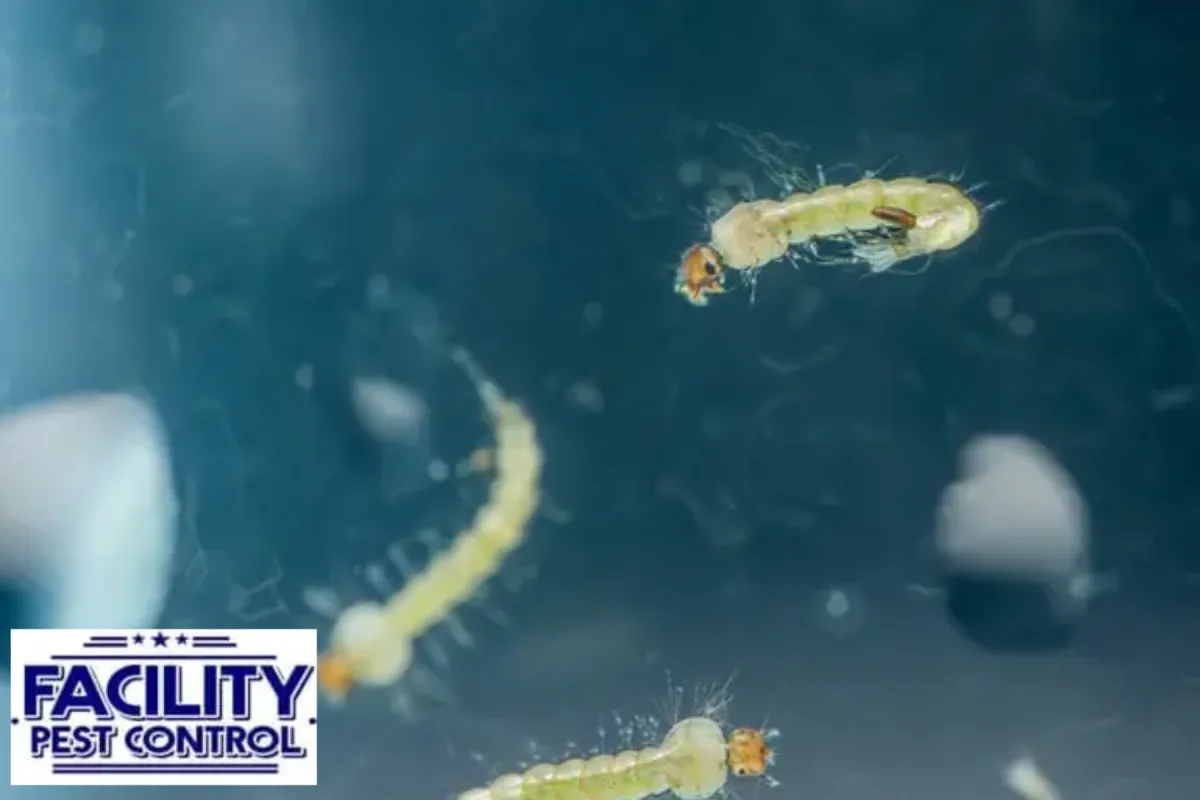
To control hidden breeding spots, you must remove standing water from clogged gutters and stagnant drains, as they can breed in as little as a bottle cap of water. Inspect for “micro-pools” caused by debris dams or sagging downspouts and clear them immediately to break the 7-day egg-to-adult lifecycle. Keeping these areas dry is the most effective way to ensure long-term mosquito control.
The Hidden Culprits: Why Gutters and Drains?
Most people look at the ground when checking for mosquitoes, but the real threat often looms right above your head or beneath your feet. Gutters and yard drains provide shade, protection from wind, and a constant supply of decaying organic “soup” that larvae crave. When water stays still in these elevated or subterranean channels, it becomes a high-production nursery.
During a recent audit for a property in Warner Center, we discovered that while the yard was immaculate, the home was swarming with insects. The culprit was a single sagging gutter hidden behind a row of ivy, holding three inches of stagnant water. This is why a professional exterminator in Woodland Hills doesn’t just spray bushes; they look for the structural drainage failures that are actually fueling the population.
Numbered List: Top 5 Mosquito Hotspots
- Sagging Gutter Sections: Heavy debris or loose brackets create low spots where water pools indefinitely.
- Downspout Extensions: Flexible corrugated pipes often trap water in their ridges, creating a perfect nursery for the Aedes mosquito.
- Catch Basins: Yard drains designed to hold a “sump” of water are the primary source of residential mosquito spikes.
- French Drain Outlets: If the exit point is blocked by silt, the entire pipe becomes a subterranean breeding chamber.
- Gutter Spikes/Brackets: Small pockets of water can even collect in the hardware that holds your gutters to the fascia if it is loose.
Maintenance vs. Infestation: Recognizing the Risks
Not all stagnant water is equal; a puddle that evaporates in an hour is harmless, but water sitting for over 48 hours is a biological ticking time bomb. Use the table below to determine whether your drainage system is just dirty or has become a hazard requiring pest control in Woodland Hills, CA.
Comparison Table: Warning Signs
| Feature | Low Risk (Maintenance Needed) | High Risk (Active Breeding) |
| Water Clarity | Muddy or leaf-stained. | “Wrigglers” (larvae) are visible at the surface. |
| Drainage Speed | Slow but eventually clears. | Water remains for more than 48 hours. |
| Debris Type | Loose leaves and twigs. | Thick, organic “sludge” or muck. |
| Insect Activity | Occasional gnats. | Swarms of adults hovering near downspouts. |
Our Proprietary Mosquito Defense Systems
At Facility Pest Control, we don’t just clear the clog; we apply a multi-layered defense system. We believe that effective pest control in Woodland Hills requires targeting mosquitoes at every stage of their life cycle using advanced technology.
The In2Care Mosquito Trap System
This is the cornerstone of our long-term mosquito control protection. The In2Care Trap System uses its own biology against it. When a female enters the trap to lay eggs, she is coated in a biological larvicide. When she flies away to other hidden spots, like your gutters or drains, she carries that larvicide with her, effectively treating the spots humans cannot reach.
10-60 Protocol Non-Toxic Mosquito Treatment
For families concerned about chemical exposure, we offer our 10-60 Protocol Non-Toxic Mosquito Treatment. This method focuses on a high-frequency application of environmentally friendly materials that break the breeding cycle without leaving behind persistent toxins. It is specifically designed for those who prioritize the FIFRA 25(b) Safety Standard, which classifies products as minimum-risk pesticides.
The “Outdoor Living” Shield (Dual-Action Protection)
We create a barrier around your home known as The “Outdoor Living” Shield (Dual-Action Protection). This combines an EPA-registered repellent with a specialized growth regulator. The repellent keeps new adults away, while the growth regulator ensures any larvae in your drains never reach adulthood.
The Rapid Response Phase
When you first call us, we initiate the Rapid Response Phase. Our team performs deep-flushing of your drainage lines to immediately clear existing larvae. We then apply a treatment that provides the Sensory Signature & Immediate Access, meaning the mosquitoes can smell the repellent and choose to leave, while you can return to your yard just minutes after we finish.
Debunking the “High Gutters are Safe” Myth
A common industry myth is that mosquitoes won’t breed in high gutters because they stay close to the ground. This is false. While some species stay low, the Culex and Aedes varieties, the ones that carry West Nile and Zika, are expert climbers. They will fly several stories high to find a water source safe from ground-level predators like frogs. High gutters are often more dangerous because they are rarely inspected, allowing generations of bugs to hatch undisturbed right outside your bedroom window.
Specifications for Effective Drainage
To keep your property mosquito-free, your drainage system should meet these professional specifications:
Optimal Gutter Pitch
A slope of 1/4 inch for every 10 feet toward the downspout to ensure positive water flow and zero pooling.
Downspout Screening
The use of fine-mesh guards at the tops of downspouts prevents organic matter from entering subterranean pipes, where it can turn into breeding sludge.
Biological Larvicides (BTI)
A naturally occurring bacterium that is lethal to mosquito larvae but completely safe for pets, people, and beneficial insects like bees.
Sump Drain Maintenance
The practice of adding larvicidal dunks to catch basins every 30 days during the peak breeding season.
People Also Ask (FAQ)
Can mosquitoes breed in dry gutters?
No, they need water to hatch. However, mosquito eggs can stay dormant in dry debris for months. As soon as it rains, those eggs “wake up” and hatch, which is why you see a surge in bugs right after a storm.
Will gutter guards stop mosquitoes?
Only if they are fine-mesh guards. Large-hole guards often trap leaves inside the gutter while still allowing mosquitoes to fly through the holes to reach the water, making the problem harder to see.
How often should I have my yard treated?
For most homes in our Service Areas, a monthly service during the warm season is ideal. This ensures that our EPA-registered repellent remains strong and that your traps are topped up.
Are your treatments safe for my dogs?
Yes. Our methods comply with the FIFRA 25(b) Safety Standard, ensuring your pets are protected while pests are controlled.
Reclaim Your Yard with Facility Pest Control
At Facility Pest Control, we are a family-owned business that understands how an infestation disrupts your daily life. You shouldn’t have to hide indoors just to enjoy your own backyard. We offer the kind of personalized, specialized attention that big national corporations cannot provide.
Our approach is professional and entirely solution-oriented. We prioritize efficiency and affordability, and we are proud to support our community by offering discounts for healthcare workers, military personnel, first responders, teachers, and senior citizens.
Don’t let mosquitoes drive you back inside.
Contact us today to assess your drainage and mosquito problems. Let our family create a tailored plan to protect your home.