By the Facility Pest Control team, reviewed by Sam Karbelnig, owner
If you back up to the hills anywhere in the Valley, whether that’s Calabasas, the Woodland Hills ridgelines, or out toward Simi, you already know we share this place with rattlesnakes. Most summers I get a run of calls from folks who found one sunning on the patio or curled up by the pool equipment. It rattles you. It should.
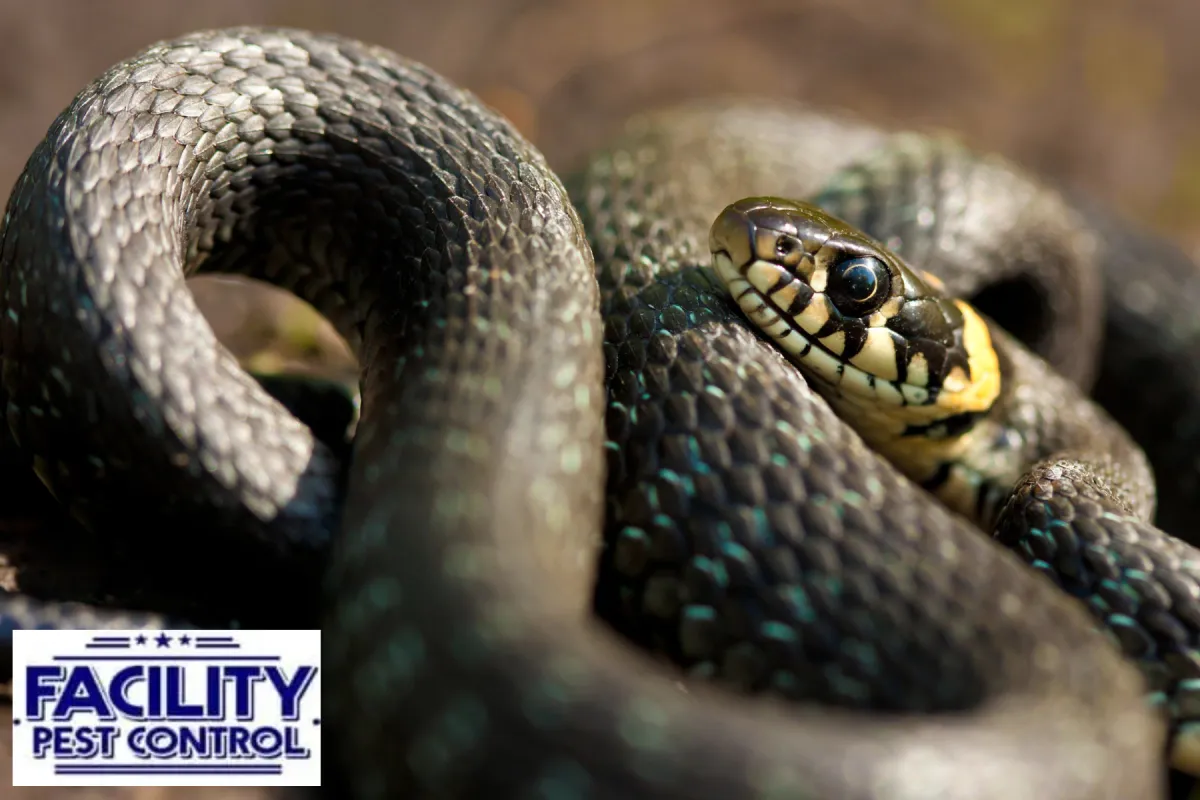
If you back up to the hills anywhere in the Valley, whether that’s Calabasas, the Woodland Hills ridgelines, or out toward Simi, you already know we share this place with rattlesnakes. Most summers I get a run of calls from folks who found one sunning on the patio or curled up by the pool equipment. It rattles you. It should.
Here’s the good news: you can make your yard a lot less inviting to snakes, and you don’t have to turn it into a bunker to do it.
Why snakes come into your yard in the first place
Snakes don’t want to meet you any more than you want to meet them. They come for two things: food and cover. Using a snake deterrent can help make your property less inviting by reducing the conditions that attract snakes in the first place.
The food is rodents. If you’ve got rats or mice working your property, whether in the woodpile, under the shed, or in the ivy, you’ve set a dinner table for snakes. Handle the rodents, and you’ve cut the main reason a snake bothers to show up. This is the part most people miss.
The cover is all the low, dense, shady stuff a snake can hide under and stay cool: thick ground ivy, tall grass, brush piles, wood stacked on the ground, gaps under sheds and decks. In our climate, shaded ground cover on the edge of a property is prime real estate for them. Keeping these areas maintained and addressing potential hiding spots with Thousand Oaks pest control can help make your property less inviting to snakes.
When snakes are most active around here
Timing matters, because a little awareness goes a long way. Snake season in our area really runs from about April into October. In spring, they’re coming out of brumation, that’s the reptile version of hibernation, and they’re on the move. Through the hottest stretch of summer, they shift to dawn and dusk to stay out of the midday heat, which is exactly when people are out watering or letting the dog into the yard. Late summer into early fall is when the young ones are around, and they’re just as venomous as the adults. If you know that rhythm, you know when to be paying attention to where you step and reach.
What actually keeps them out
Start with the yard itself, because this is where the real difference gets made:
- Keep the grass short and pull back thick ground cover, especially along fence lines and the back edge of the property.
- Get firewood and lumber up off the ground and away from the house.
- Clear brush piles and clean up the spots where rodents nest; you’re solving two problems at once.
- Seal gaps under sheds, decks, and along the foundation where a snake can slip through and hole up.
- Keep the bird feeder in check. Spilled seed draws rodents, and rodents draw snakes. I’ve traced more than one snake problem back to a bird feeder nobody thought twice about.
Then there’s the deterrent side. We run a snake deterrent service that a lot of hillside customers put down every year, and I like it because it’s non-toxic, it’s a granular blend of essential oils: cinnamon, geraniol, castor, peppermint, and clove. You put a band of it, about ten inches to a foot wide, around the perimeter of what you want to protect, whether that’s the house, the patio, or the woodpile. Snakes taste and smell it and won’t cross it. We start around mid-April when the babies are coming out, and it gets reapplied about every 30 days, or after heavy rain washes it down, through snake season from April into October. A two-pound bottle covers roughly 1,440 square feet, so the perimeter of a typical yard doesn’t take much.
Why “snake repellent” alone usually disappoints
People buy a jug of repellent, sprinkle it around, and are surprised when a snake still shows up. Here’s the thing about repellents, ours included: they’re a boundary, not a magic wall. If the inside of that boundary is a buffet, with rats under the shed, thick ivy for cover, and a woodpile on the dirt, a hungry snake has every reason to test the line. The deterrent works when it’s the top layer on a yard that’s already been made unappealing. On its own, sprinkled over a rodent problem, it’s not going to carry the load. That’s not me talking down a product I sell; it’s me telling you how to actually get the result.
What I tell every customer: The granules are a boundary, not a force field. They work best as one layer on top of the real work: cutting the cover and clearing the rodents. I’ve had people ask me to “just put the stuff down” while a rat buffet sits under their shed, and I won’t pretend that’s the fix. Professional pest control in Thousand Oaks, CA, combined with the deterrent and a clean, rodent-free yard, is what actually keeps snakes moving along to the next property.
The one thing I won’t tell you to do
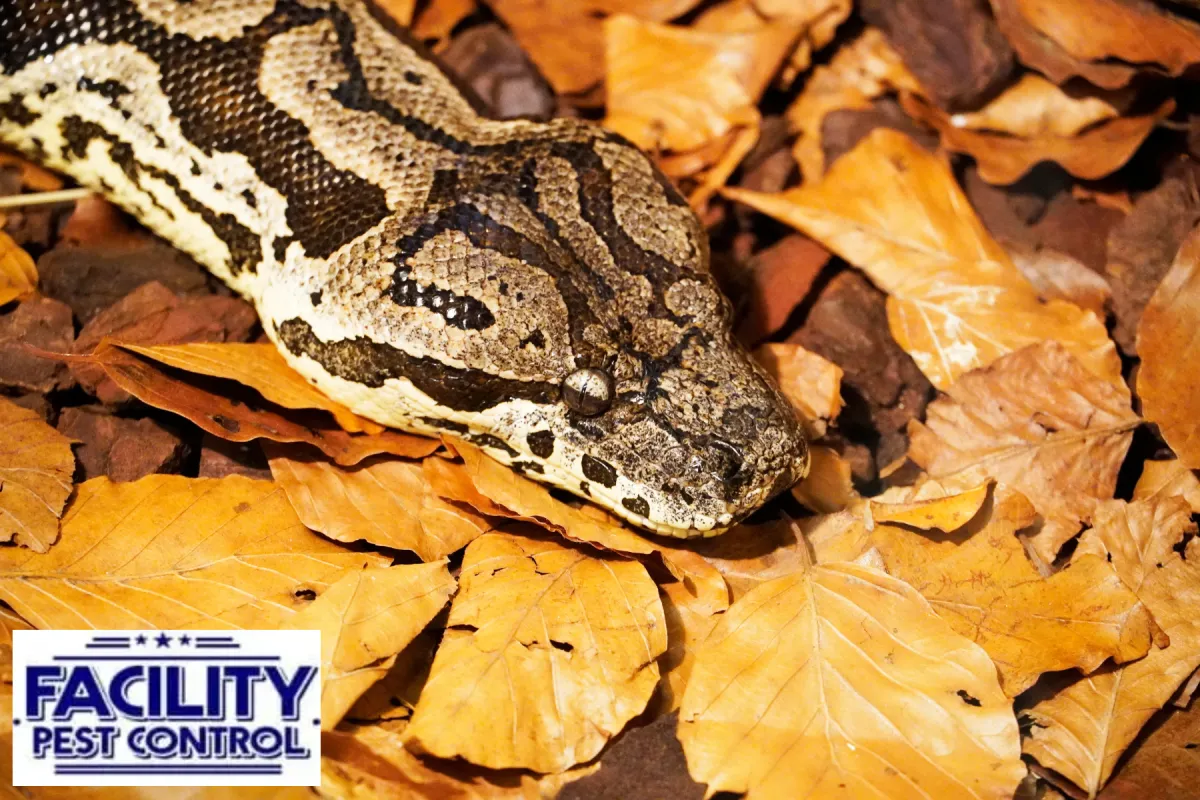
Don’t go grab a snake yourself. In our area, you have to assume it’s a rattlesnake, and a bite is a real emergency. If there’s a snake in your yard right now and it won’t leave, give it room, keep kids and pets well back, and call animal control or a licensed removal service to relocate it. For ongoing prevention, pest control in Thousand Oaks can also help address the food sources and hiding spots that may attract snakes to your property.
Frequently asked questions
Does snake repellent actually work?
As a boundary, yes, a granular essential-oil barrier will keep snakes from crossing it. But it only holds up if you’ve also removed what drew them in: rodents and heavy ground cover. Repellent over a rodent problem is a weak fix.
What smells keep snakes away?
Snakes avoid strong essential oils like cinnamon, clove, peppermint, and geraniol, which is what our deterrent granules are made of. They sense the treated band and won’t cross it.
What attracts rattlesnakes to a yard?
Food and shelter. Rodents are the main draw, followed by dense, cool cover: tall grass, ivy, brush piles, and wood stacked on the ground.
When is snake season in Southern California?
Roughly April through October, with snakes most active at dawn and dusk during the hottest months.
About Facility Pest Control
At Facility Pest Control, we’re a family-owned pest control company serving the San Fernando Valley and surrounding areas. We provide environmentally friendly, preventative solutions for pests like rodents and snakes, delivering reliable service across Woodland Hills, Thousand Oaks, Simi Valley, Malibu, Sherman Oaks, Van Nuys, and nearby communities.
What we handle is the part that keeps them from coming back: the deterrent barrier and, just as important, the rodents that draw them in. If you’re on the edge of the hills and snake season has you nervous, look at our snake deterrent service, and don’t sleep on rodent control; that’s the root of most snake problems I see. Call us now, and we’ll get ahead of it before the weather warms up.