Ants, rats, gophers, bees, mosquitoes and roaches, handled by the same Reseda family since 2005. Environmentally friendly products, a 30 day guarantee, and no multi year contracts.
- 30 day guarantee
- No multi year contracts
- Same technician every visit

Tell us what you saw and we'll tell you what to do
Pick the closest thing. Not sure? Send a photo and Sam will tell you what it is, no charge.
 AntsTrails in the kitchen, mostly Argentine ants
 Rats and miceScratching in the attic, droppings in the garage
 GophersFresh dirt mounds across the lawn
 BeesSwarms, hives in walls, nests under eaves
 MosquitoesBites at dusk, or all day from Aedes
 CockroachesRoaches around plumbing and drains
 SpidersWebs on eaves, widows in the garage
 Bed bugsBites in a row, rust spots on sheets
 ScorpionsHillside lots, garages and bathtubs at night
 SnakesHillside lots, ivy, wood piles
 Fleas and ticksPets scratching, bites around the ankles
 Not sure? Send a photoSam identifies it free and tells you if it even needs a visit
Right now in the Valley
Twenty one years of watching the same pests show up on the same schedule. The line marks September, tap any month to see what is out.
September in the Valley
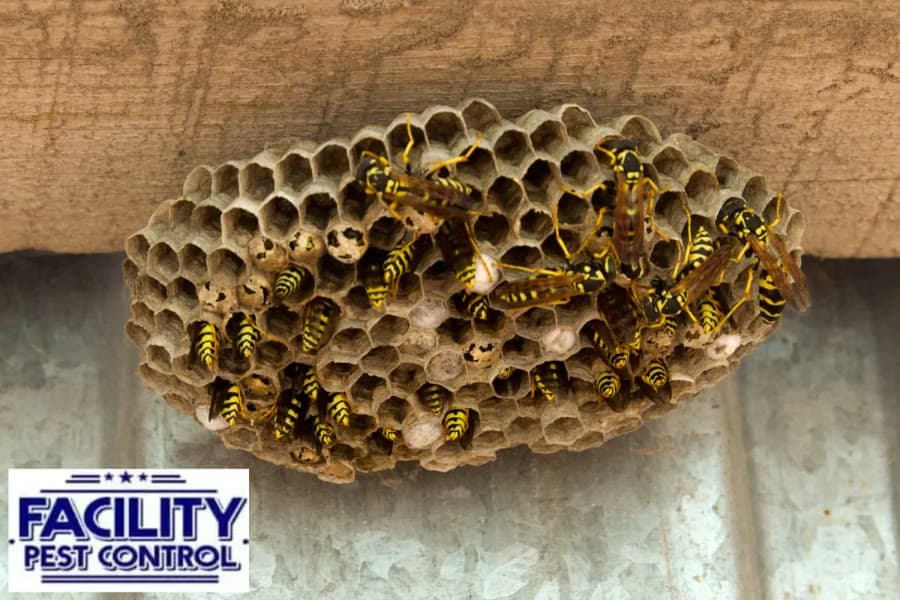
Yellow jackets are at their most aggressive as colonies reach full size and food gets scarce before fall, so late summer stings spike hard in September. Ants and spiders stay elevated in the lingering heat. Rodent activity starts climbing again as nights begin to cool, and drywood termites swarm as summer turns toward fall.
What to do now: Keep food and trash covered outdoors, give any ground nests a wide berth, and watch for termite swarmers or pellet piles around wood trim.

What Valley homeowners say
Every word below was written by a customer on Google or Yelp. We do not edit them and we do not invent them.
They helped us with a protracted roach problem. The owner took the time to talk through the issue with us for a long time. He was the only company that said we didn't need to get on a multi year contract. They ended up coming three times and I haven't seen new roaches for months. Thank you for your excellent customer service and thoroughness.
This review is long overdue. Facility is simply the best local company out there. It took me years to find a reliable, effective and cost efficient company that was easy to deal with any time I needed something extra. Sam, the owner, cares so much about all his clients and makes sure that each is taken care of. Don't look any further for your next pest control company.
Facility Pest Control responded to me quickly, gave me an estimate, and offered a fair price. The technician who came out was great to work with, communicated what he would be doing, and accommodated our requests to focus on certain problem areas. The spraying so far seems very effective.
Massive shout out to this family owned company. The response time and customer service here is unmatched. Sam, thank you again for all of your help!
I have been using Facility Pest Control for years. They do an amazing job of getting rid of all the creepy crawlers around the house and yard. And if anything comes back between visits they are right out to take care of it.
I have been using Facility Pest Control for many years. They have been the best decision for me and my family to keep pests and mosquitoes away from our home. Always on time, always friendly, and the treatments work.
Honorable, honest, efficient and provide fair pricing. Someone is always available to help and the techs (Juan cares for our home) are also wonderfully adept. Sam, who I believe is the owner, is always incredibly kind, considerate, patient and informed. We have NOT been bitten ONCE at our home since Facility began in the spring, and we have neighbors on either side of us with green, mossy pools. We are even able to enjoy sitting outside in the mornings and evenings now. So grateful we stumbled across this company. Highly recommend!
Honorable, honest, efficient and provide fair pricing. Someone is always available to help and the techs (Juan cares for our home) are also wonderfully adept. Sam, who I believe is the owner, is always incredibly kind, considerate, patient and informed. We have NOT been bitten ONCE at our home since Facility began in the spring, and we have neighbors on either side of us with green, mossy pools. We are even able to enjoy sitting outside in the mornings and evenings now. So grateful we stumbled across this company. Highly recommend!
I have been using Facility Pest Control for many years. They have been the best decision for me and my family to keep pests and mosquitoes away from our home. Always on time, always friendly, and the treatments work.
I have been using Facility Pest Control for years. They do an amazing job of getting rid of all the creepy crawlers around the house and yard. And if anything comes back between visits they are right out to take care of it.
Massive shout out to this family owned company. The response time and customer service here is unmatched. Sam, thank you again for all of your help!
Facility Pest Control responded to me quickly, gave me an estimate, and offered a fair price. The technician who came out was great to work with, communicated what he would be doing, and accommodated our requests to focus on certain problem areas. The spraying so far seems very effective.
This review is long overdue. Facility is simply the best local company out there. It took me years to find a reliable, effective and cost efficient company that was easy to deal with any time I needed something extra. Sam, the owner, cares so much about all his clients and makes sure that each is taken care of. Don't look any further for your next pest control company.
They helped us with a protracted roach problem. The owner took the time to talk through the issue with us for a long time. He was the only company that said we didn't need to get on a multi year contract. They ended up coming three times and I haven't seen new roaches for months. Thank you for your excellent customer service and thoroughness.
Inspect. Treat. Come back. That is the whole method.
No mystery spray, no upsell. The same three steps on every house since 2005. Hover or tap a photo.
Targeted mitigation and total trust
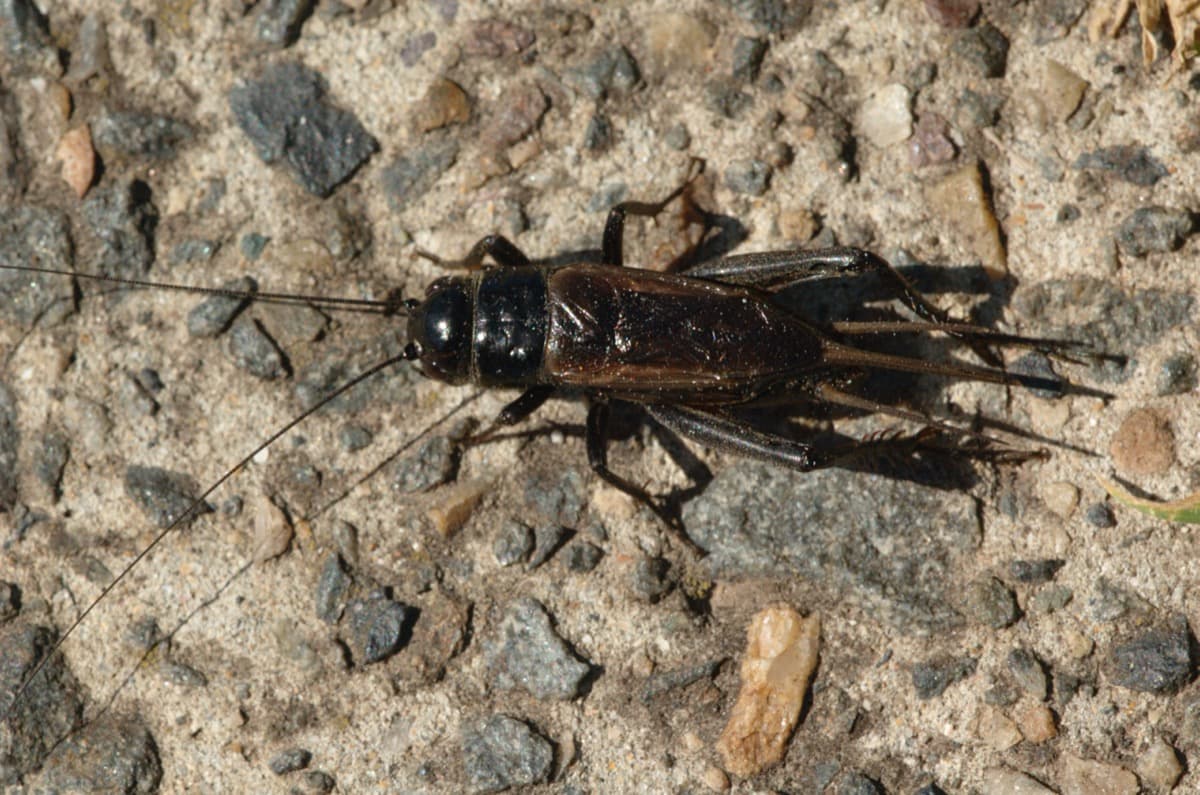
Our state licensed technicians are trained to safely mitigate a wide range of pests around your home. The standard visit covers ants, spiders, roaches, earwigs, crickets and wasps. Rats, scorpions, fleas, ticks, bees, yellow jackets and hornets are handled as separate jobs for an added charge. A wall flush dust treatment inside wall voids is available when something like ants keeps coming back, it is not part of every visit.
Get a free quote- Exterior barrier around the foundation
- Eaves and entryways de webbed
- Baseboards and window areas treated inside
- Plumbing entry points, and ceiling corners when spiders are active
- Wasps are included on regular service
- 30 day guarantee, we re treat the problem areas
Pick a plan, not a contract
Zero multi year contracts. Most of our Valley customers are on Hybrid because it follows the pest calendar. Sam will tell you if you don't need it.
Monthly
Heavy activity, restaurants, big yards, hillside lotsEvery month, all year
The most coverage. Right for properties that get pressure in every season.
- 30 day guarantee, we re treat the problem areas
- No multi year contract, cancel any time
- Environmentally friendly, low toxicity products
- The same licensed technician
- Wasps included, no extra charge
Hybrid
Most Valley homesMonthly in spring and summer, every other month in fall and winter
Follows the Valley's actual pest calendar. Most of our customers are on this one.
- 30 day guarantee, we re treat the problem areas
- No multi year contract, cancel any time
- Environmentally friendly, low toxicity products
- The same licensed technician
- Wasps included, no extra charge
Bi Monthly
Low activity, condos, well sealed homesEvery other month, all year
Steady maintenance when a house has never had much going on.
- 30 day guarantee, we re treat the problem areas
- No multi year contract, cancel any time
- Environmentally friendly, low toxicity products
- The same licensed technician
- Wasps included, no extra charge
| Plan | Visits per year | Schedule | Best for | Starting price | Guarantee | Contract |
|---|---|---|---|---|---|---|
| Monthly | 12 | Every month, all year | Heavy activity, restaurants, big yards, hillside lots | $80 a visit | 30 day on problem areas | None |
| Hybrid | 9 | Monthly in spring and summer, every other month in fall and winter | Most Valley homes | $90 a visit | 30 day on problem areas | None |
| Bi Monthly | 6 | Every other month, all year | Low activity, condos, well sealed homes | $100 a visit | 30 day on problem areas | None |
Straight starting prices, no runaround
Most companies make you call to hear a number. Here is where ours start, so you know what you are walking into before you pick up the phone.
Initial service
The first visit is a heavy treatment to get everything under control. After that you move onto maintenance.
- Initial exterior serviceYards up to 8,000 square feet$225
- Initial interior and exteriorLots up to 8,000 square feet$250
Maintenance, per visit
Pick the schedule that fits the house. No multi year contract, cancel any time.
- Monthly12 visits a year$80
- Hybrid, nine visitsMonthly in spring and summer, every other month after$90
- Every other month6 visits a year$100
Specialty work
Rats, scorpions, fleas, ticks, bees, yellow jackets and hornets are not part of regular service. Wasps are.
- Gopher controlUp to 10 fresh mounds, two follow up visits over the next month included$395
- Rat trappingTwo areas, such as the attic and the sub area. Three visits, the set up plus two checks about four days apart$395
- Bee hive removalWhen the hive is reachable with a six foot ladder. One month guarantee on the area we treatedfrom$295
- Yellow jacket nestOne month guarantee on the specific area we treated$395
What you get from a family company that a franchise can't give
Fair and factual. This is the difference between people who live here and a call center that does not.
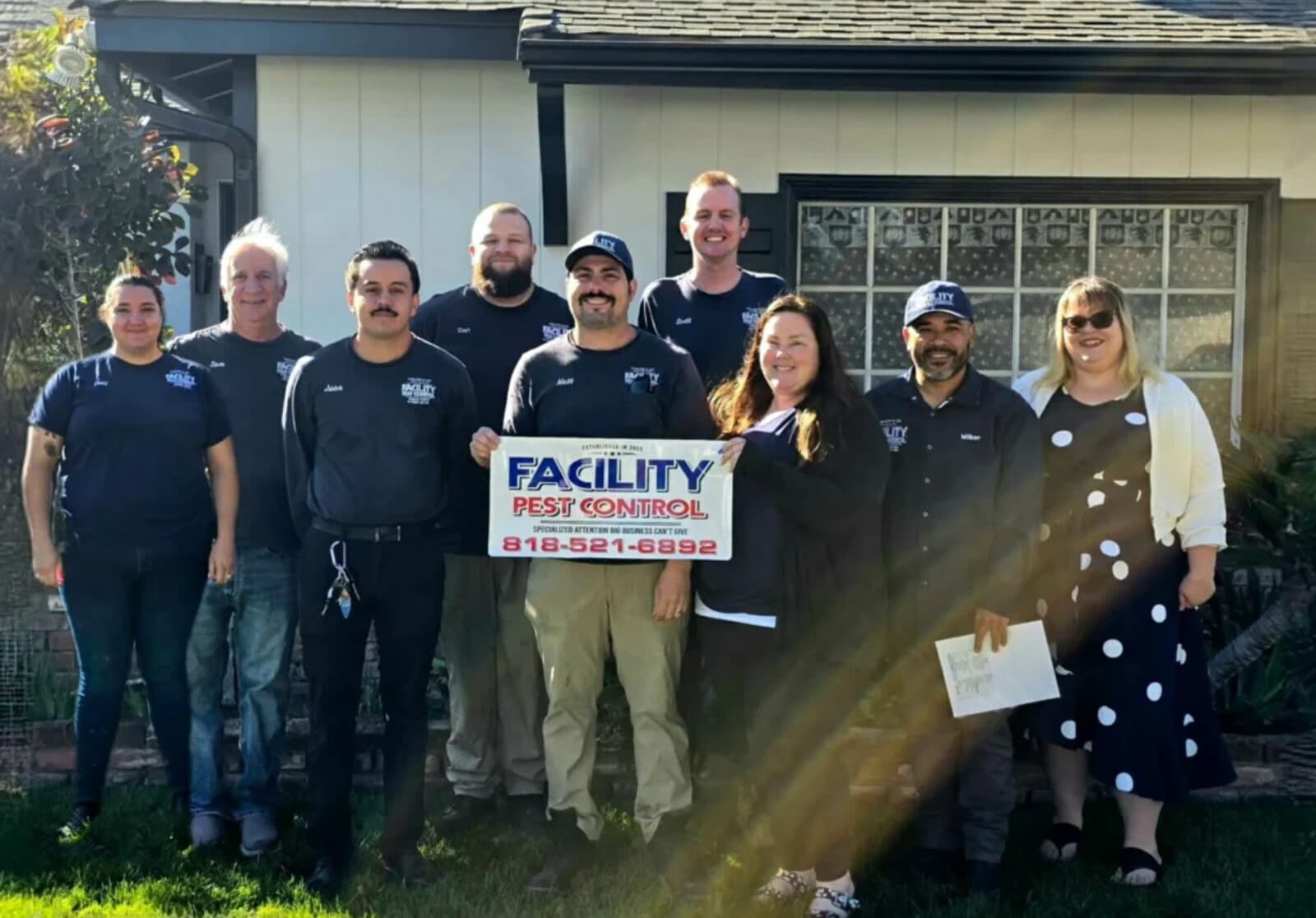
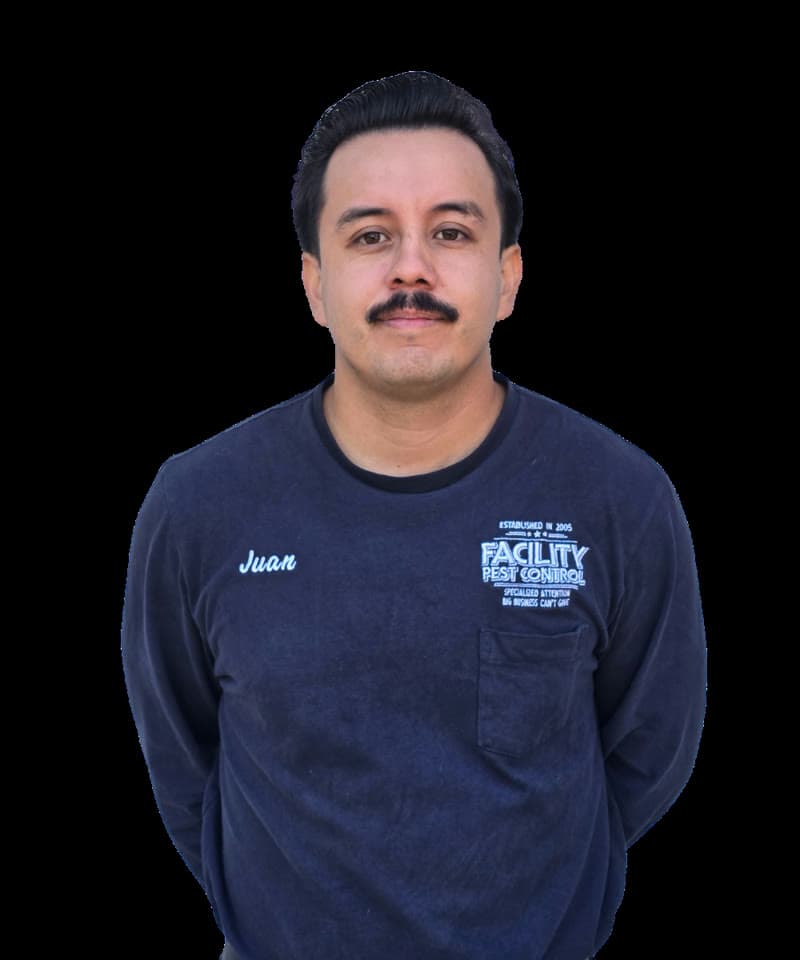
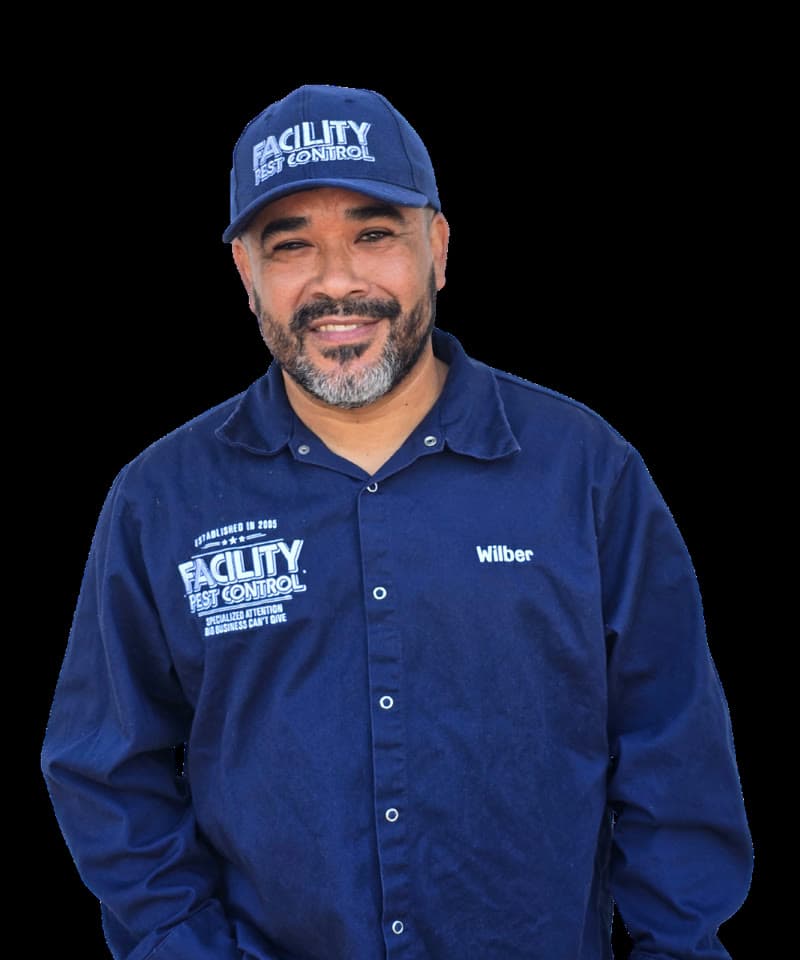
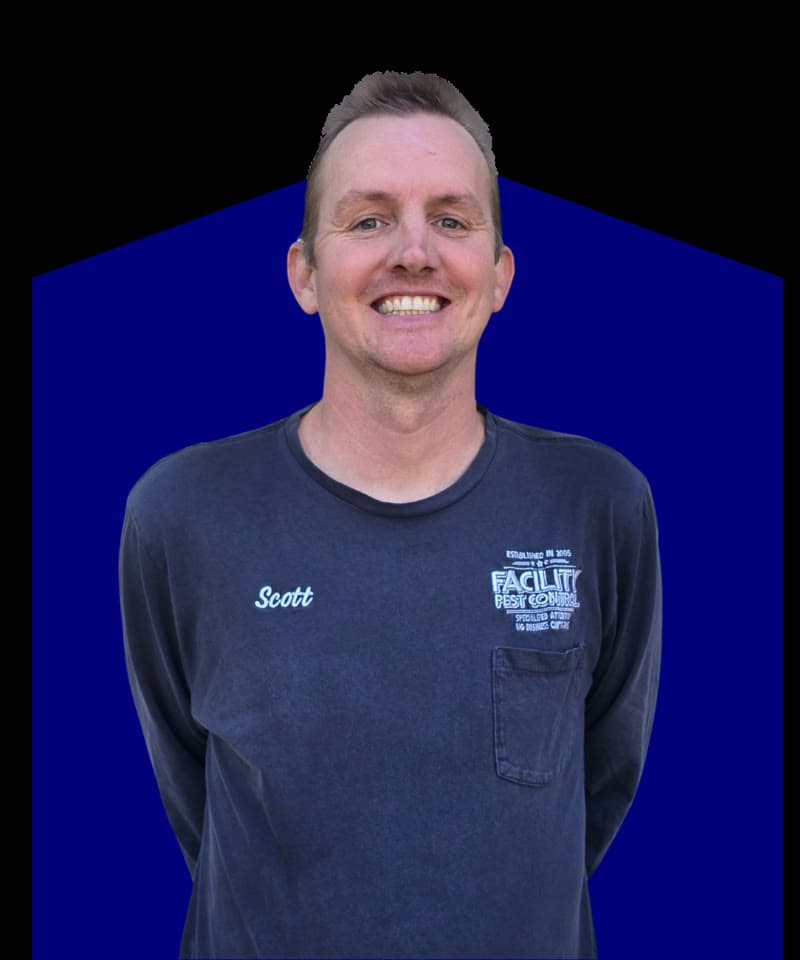
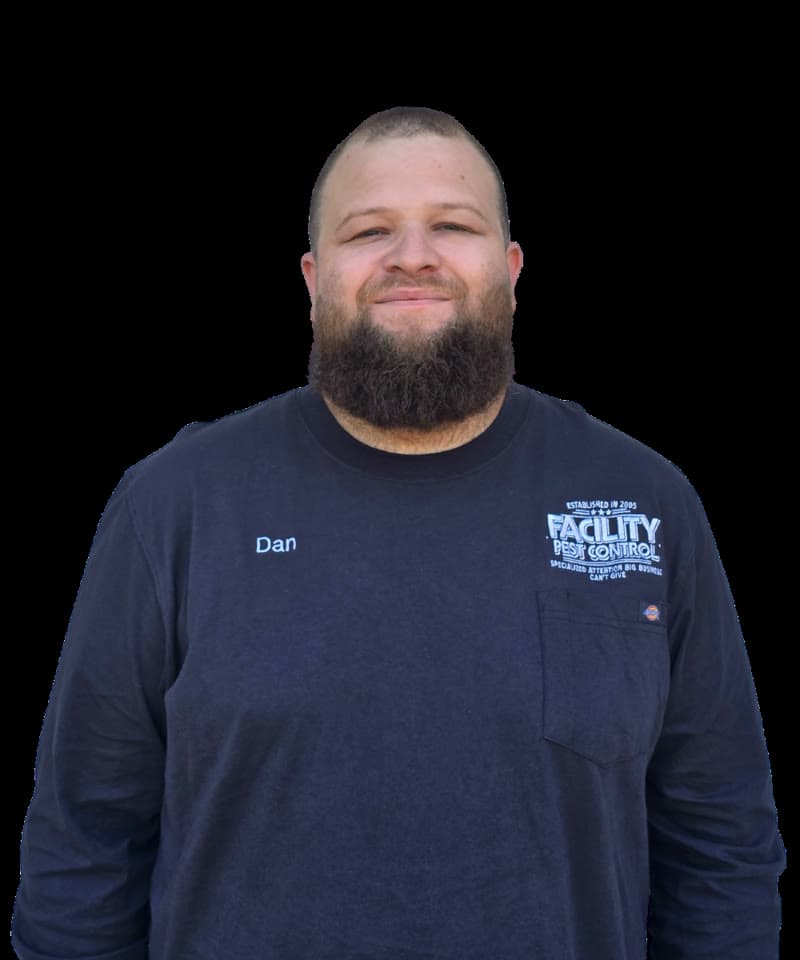
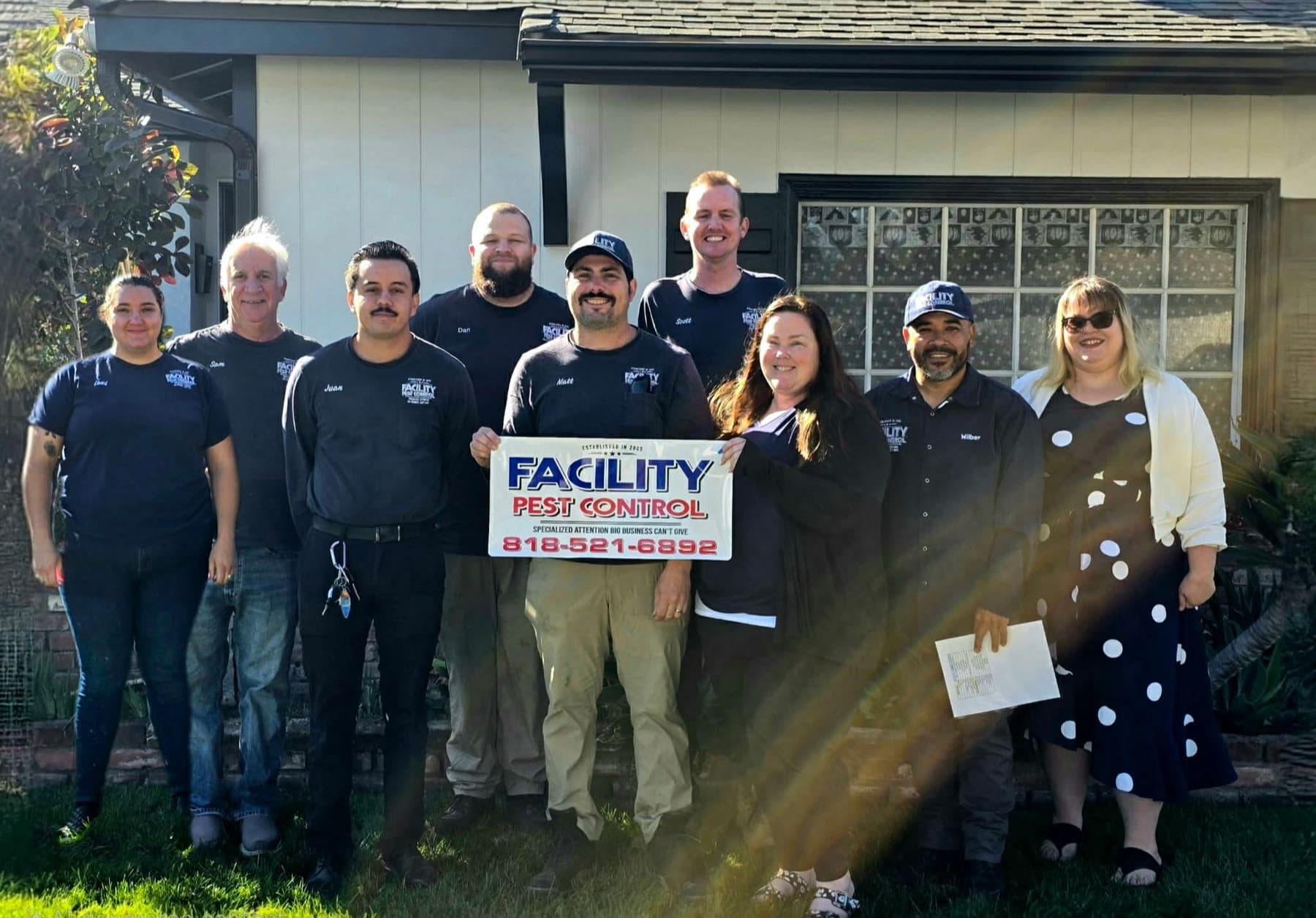
He learns your gate code and where the dog sleeps. Not whoever got routed that day.
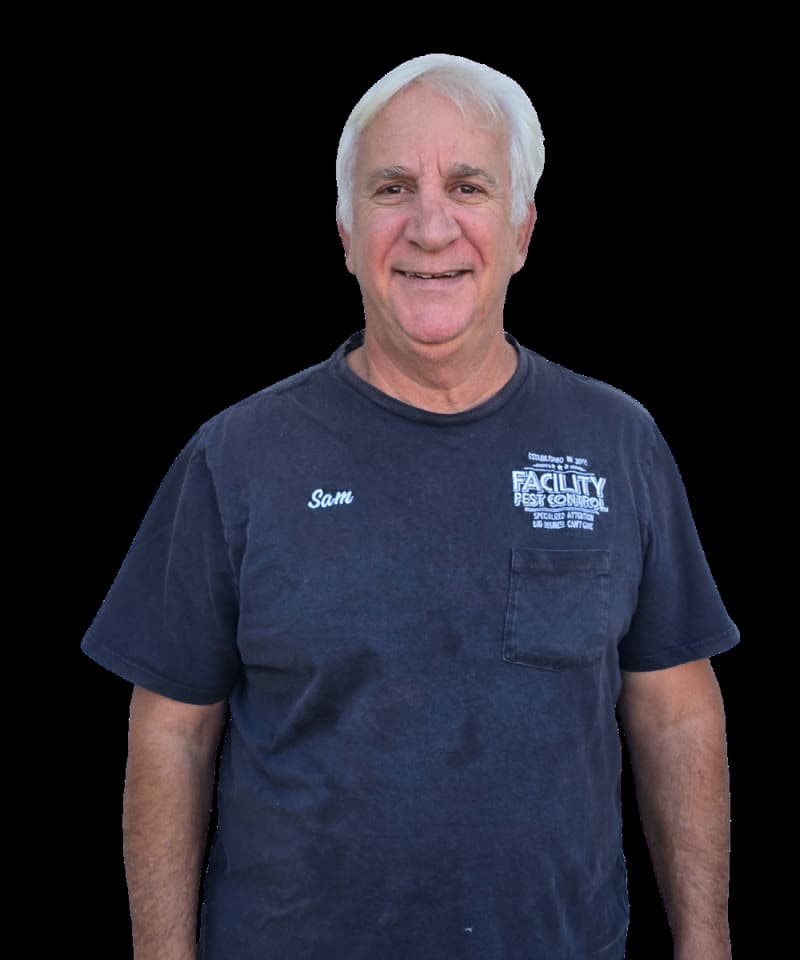

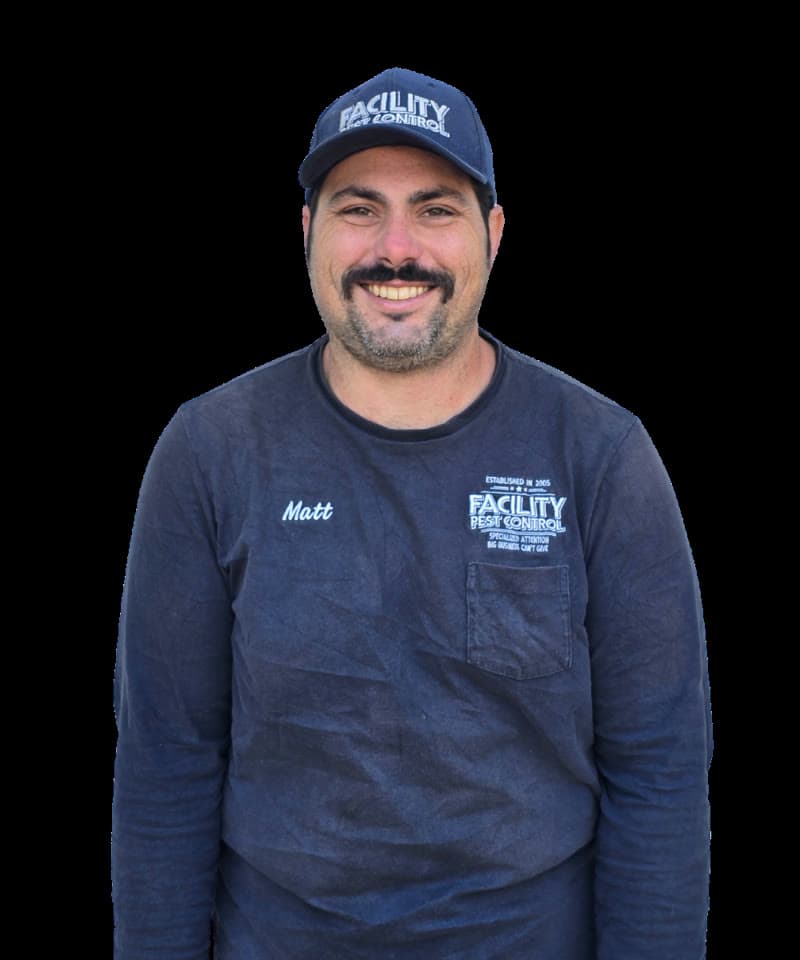
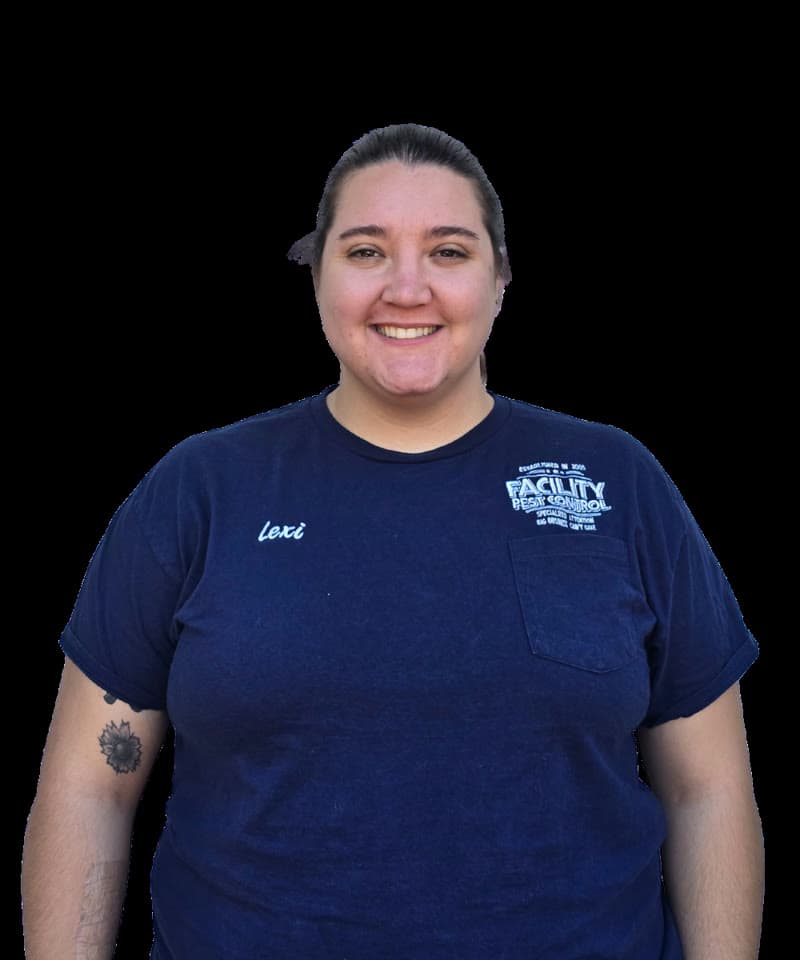

A family business treats your house like its own. Low toxicity products on general service, exterior first, and you get told exactly what was used.
Anything comes back inside a month, we come back free.
Pick Monthly, Hybrid or Bi Monthly and cancel any time. One time jobs are fine too.
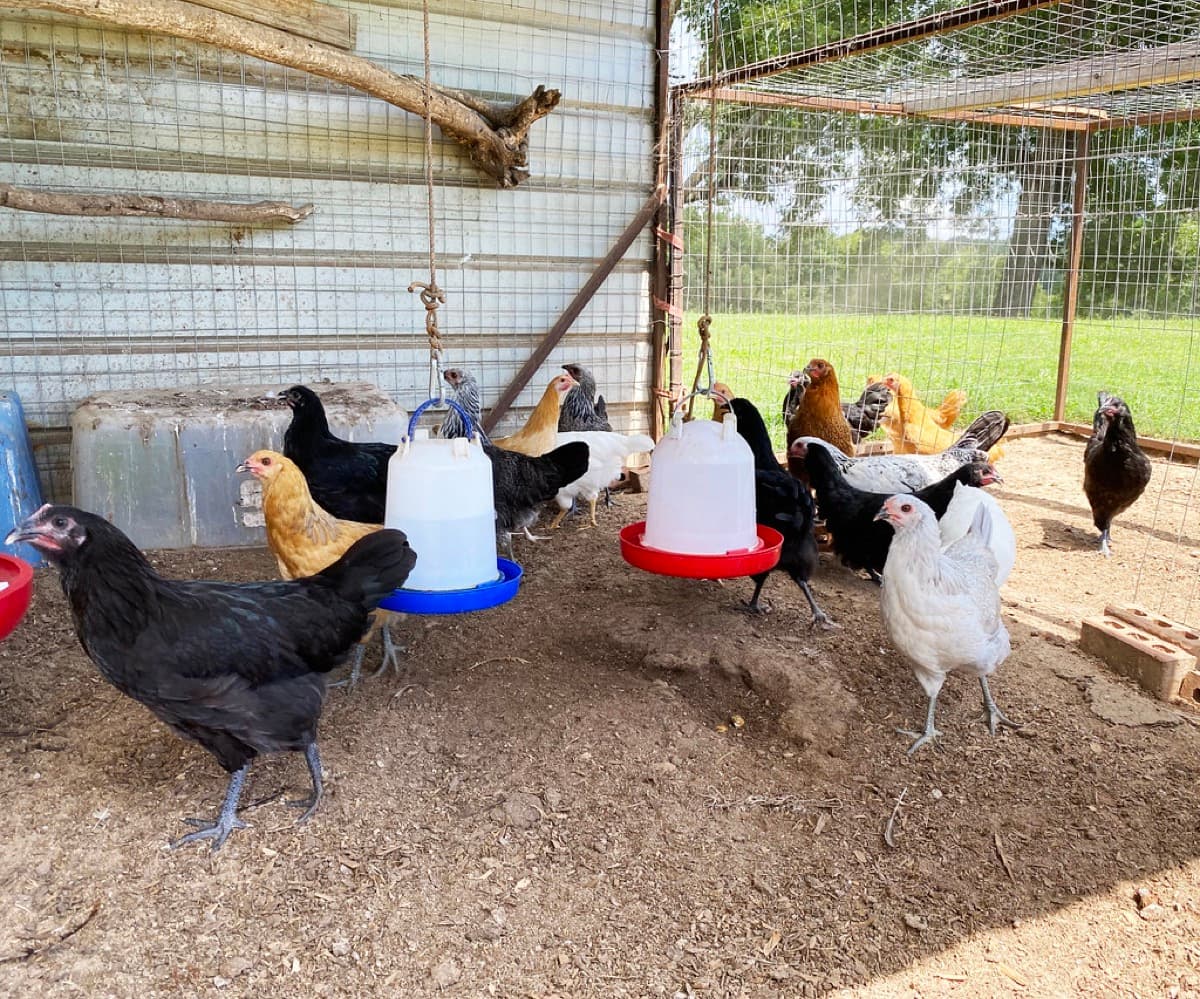
Say so on the quote and we plan around them. Snake deterrent is botanical, mosquito stations do not harm bees.

“You’ll see the same technician. You’ll get me on the phone. Nobody at Facility works from a call center in another state.”
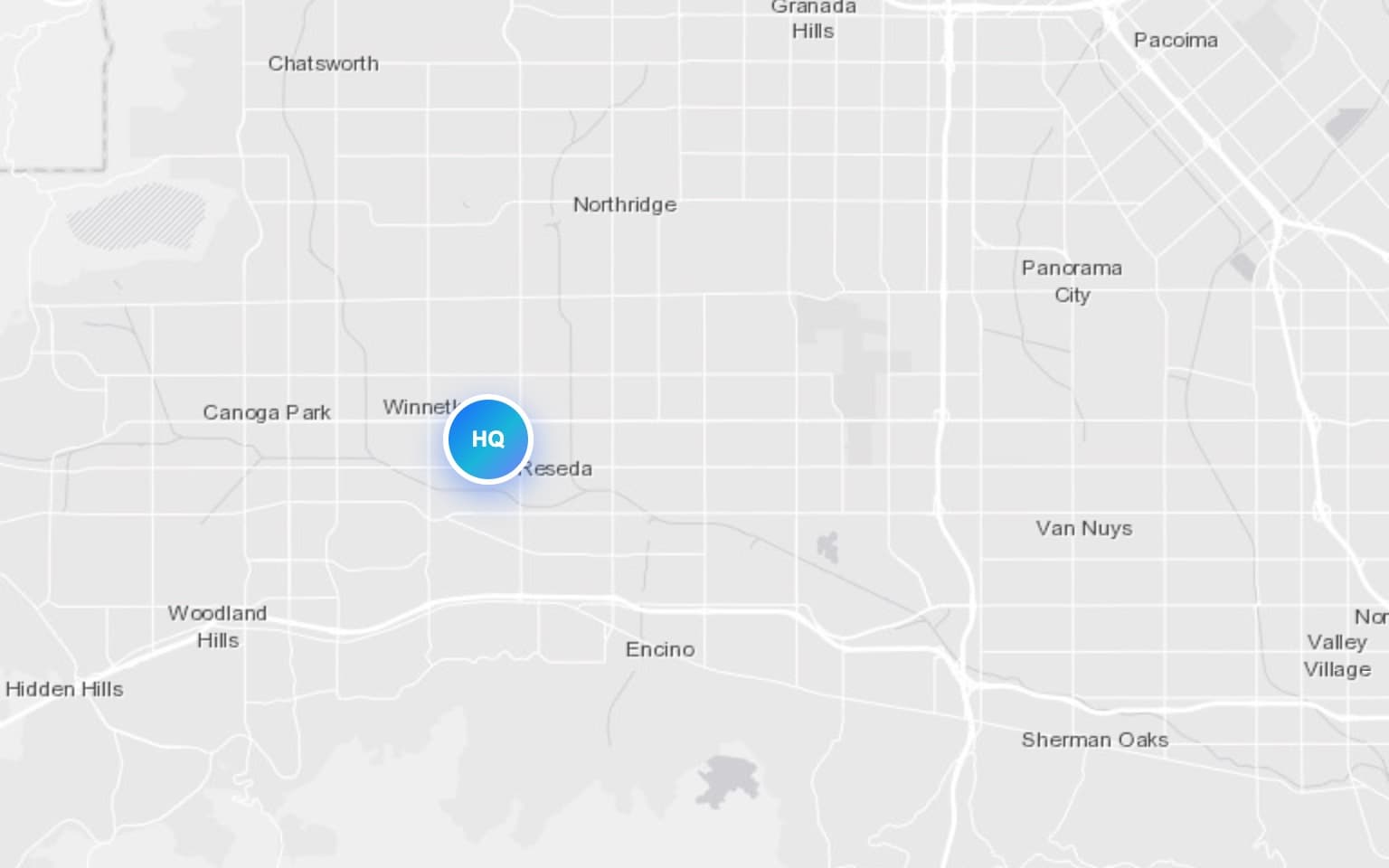
One office in Reseda. The whole Valley in the truck.
No fake branch offices. We drive to you from Sherman Way and Corbin, and the map is honest about how long it takes.
San Fernando Valley
Conejo Valley and Calabasas
Send the quote request anyway. Katie will tell you honestly whether we can make it work.
Why families switch to us
Fair and factual. This is the difference between a family company and a franchise.
- Who answers the phoneKatie or Sam, in Reseda A call center
- Who shows upThe same licensed tech, you'll learn his name Whoever is routed that day
- ContractsNone, cancel any time Often 12 to 24 months
- Guarantee30 day re treat on problem areas Varies by plan
- Owner involvementSam still rides in the truck None
- Years in the ValleySince 2005, one owner Franchise territory
Coupons, the same ones we hand out at the office
Mention the coupon when you book and show it at the time of service. Screenshot it or just tell Katie.
Questions people ask us
Straight answers from the people who pick up the phone.
How fast can you come out?
Call us and Katie will tell you exactly when a truck can be at the house. Anything urgent, a wasp nest by the front door, rats in the attic, a swarm on the fence, goes to the front of the route. Reseda and the neighboring cities are on the schedule every week.
Are your treatments safe around dogs and cats?
On general service we use environmentally friendly, low toxicity products, treat the exterior first, and only go inside where it is needed. The material breaks down in about a month. For pets over ten pounds it is not an issue once it is dry. A very small dog under ten pounds that licked up a large amount of product could get an upset stomach, so let it dry first. We tell you exactly what we used and when it is dry, and if you keep chickens, rabbits or a vegetable garden, say so on the quote and we plan around them.
Do I have to sign a contract?
No. We do not require multi year contracts. Most Valley homes choose a Monthly, Hybrid or Bi Monthly plan because it works, and you can cancel any time. One time jobs are fine too.
What does a first visit cost?
The initial service starts at $225 for the exterior on yards up to 8,000 square feet, or $250 for interior and exterior on lots up to 8,000 square feet. That first visit is a heavy treatment to get everything under control, then maintenance starts at $80 a month. Bigger properties and specialty jobs like gophers, rat trapping or bees are quoted on their own. The quote is free and there is no visit fee.
Do you cover Thousand Oaks and Simi Valley from Reseda?
Yes. We have one office in Reseda and the trucks cover the San Fernando Valley, the Conejo Valley and the Westside every week. Thousand Oaks is about 35 minutes, Simi Valley about 30, and it costs you nothing extra.
What is included in regular service?
An exterior barrier around the foundation, de webbing the eaves, and inside we treat baseboards, window areas, plumbing entry points and the corners of ceilings when spiders are active. It covers ants, spiders, roaches, earwigs, crickets and wasps. A wall flush dust treatment in the wall voids is available when something like ants keeps coming back, it is not part of every visit. If activity returns within 30 days we re treat the problem areas at no additional charge.
What is not included in regular service?
Rats, scorpions, fleas, ticks, bees, yellow jackets and hornets are not part of regular service. We handle all of them, they are quoted as their own job for an added charge. Wasps are included in regular service.
Ready when you are.
Call, text, or send a quote request and Katie or Sam calls you back during office hours. No visit fee, no contract.