Termites in Valley homes
Two different termites cause damage around Valley homes, and telling them apart matters. Drywood termites live inside the wood itself and swarm late summer into fall, leaving small pellet piles behind. Subterranean termites live in the soil and build mud tubes up into the structure, usually swarming after the first good spring rain.
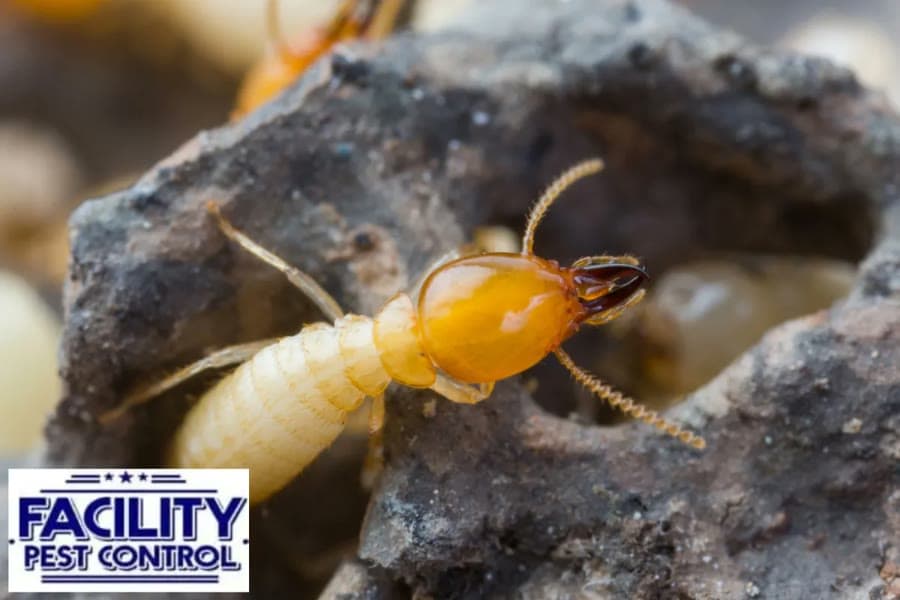 Termites
How to tell it's this one
- Small piles of six sided, sand like pellets under a piece of wood trim, that's drywood termite droppings, called frass
- Pencil width mud tubes running up a foundation wall or pier, that's subterranean termites traveling from the soil
- Discarded, clear wings left in a pile near a window sill after a swarm
- Wood that sounds hollow when tapped, or paint that looks bubbled and cracked
- A swarm of winged insects inside the house, especially right after the first rain
Where it hides in Valley homes
- Attic and roof framing
- Inside wall voids and wood trim
- Fence posts and wood in contact with the soil
- Foundation areas with moisture
When it shows up
From our own route records, month by month.
What to do right now
- 1Don't disturb a mud tube or pile of frass, leave it in place so the termite inspector can confirm the species and activity
- 2Move firewood and wood mulch away from direct contact with the foundation
- 3Fix any leaks or standing water near the foundation, subterranean termites need ground moisture
- 4Save any swarmer wings you find for the inspection
How Facility handles termites
Facility Pest Control does not treat termites. Termite work needs a dedicated termite company, so when a customer finds pellets, mud tubes or swarmers we refer them to the local termite company we trust and send our own customers to. Call us, tell us what you found, and we will point you in the right direction. Everything else around the house, ants, spiders, rodents, scorpions and the rest, we handle ourselves.

Termites questions
What's the difference between drywood and subterranean termites?
Drywood termites live entirely inside the wood they're eating and don't need contact with soil, swarming in late summer and fall and leaving small pellet shaped droppings behind. Subterranean termites live in the soil and build mud tubes up into the structure to reach wood, typically swarming after the first good spring rain.
What are those pellets I found under my window sill?
Small, six sided pellets that look like sand or coffee grounds under a piece of wood trim are frass, drywood termite droppings. Finding a pile means there's active drywood termite feeding in the wood directly above it, and it's worth having inspected rather than just swept away.
Do I have termites if I see mud tubes on my foundation?
Pencil width mud tubes running up a foundation wall are a strong sign of subterranean termites traveling from the soil into the structure. Not every tube is still active, some are old and abandoned, which is why an inspection to check for live activity matters before deciding on treatment.
When do termites swarm in Los Angeles?
Subterranean termites typically swarm after the first substantial spring rain, while drywood termites swarm later, through late summer and into fall. Seeing winged insects indoors around either of those windows, especially discarded wings near a window sill, is a good reason to have the area inspected.
Does homeowners insurance cover termite damage?
Usually not. Most homeowners policies treat termite damage as a preventable maintenance issue rather than a covered peril, which is why regular inspections matter so much. Catching activity early, before it causes structural damage, is generally the only real protection a homeowner has against the cost.
Need a termite specialist?
We do not treat termites ourselves. We refer termite work to a local termite company we trust, so call us and we will point you to them. For anything else, the quote is free.