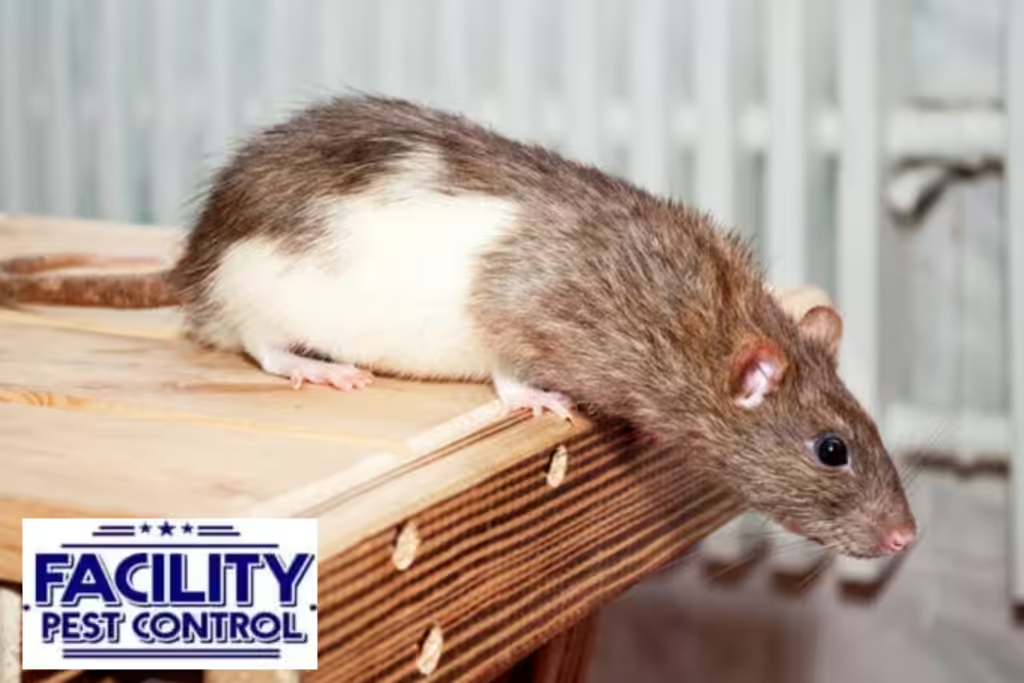
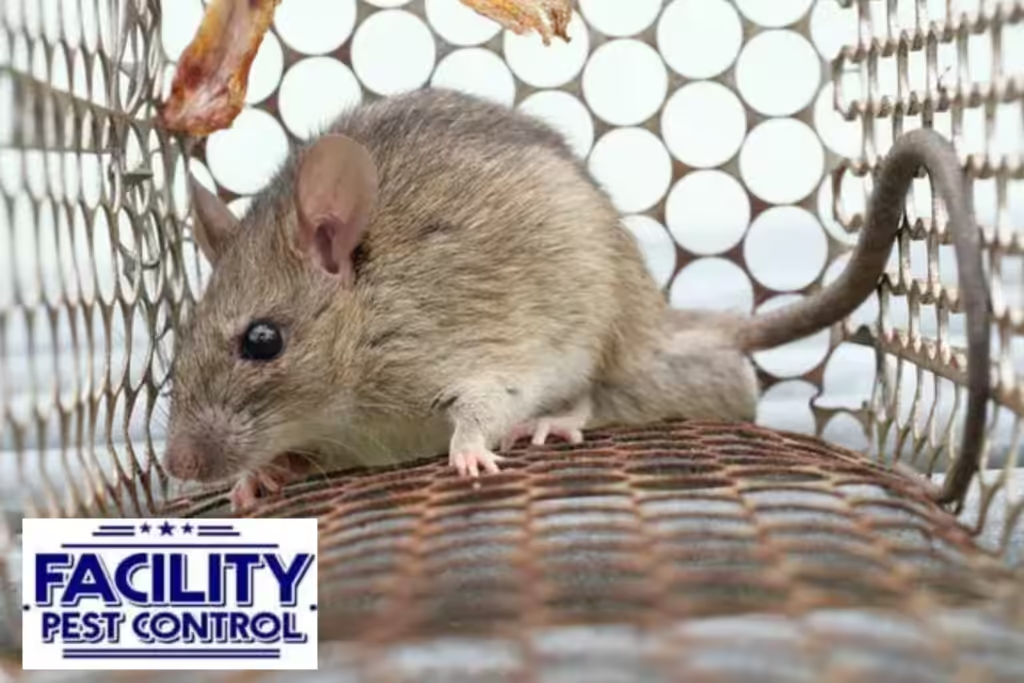
When dealing with rodents in your home or facility, mice are often the most common culprits. These tiny pests can cause significant damage, contaminate food, and pose health risks to humans and pets, including cats. While cats are natural hunters, many pet owners may not realize that they can actually pose a serious health risk to their feline companions.
In this blog post, we answer the question, “Can mice make your cat sick?” and dive into the diseases they can transmit, how they impact your cat’s health, and how to protect your pet while ensuring effective rodent control.
The Hunting Instinct: Cats and Mice
Cats are highly effective at controlling rodent populations. Their sharp claws, keen senses, and natural instincts make them perfect predators for small pests like mice. This instinct is often beneficial in places like homes, barns, and warehouses where pest control is necessary.
However, while your cat may help keep the mouse population under control, their direct contact with or consumption of them could expose them to harmful diseases and parasites. It’s important to understand the risks to protect your feline friend’s health. To effectively manage this risk, consider professional rodent control in Woodland Hills, CA, to address rodent infestations and keep both your pets and home safe.
Can Mice Make Your Cat Sick?
Yes, mice can make your cat sick in a variety of ways. Rodents carry diseases and parasites that can be transmitted through direct contact or ingestion. Here are the key risks:
1. Diseases Mice Can Transmit to Cats
Mice carry numerous pathogens that can be transmitted to cats. These include:
- Toxoplasmosis: This is caused by the parasite Toxoplasma gondii, which is carried by mice. If a cat ingests an infected mouse, it can contract this disease. While many cats may not show symptoms, it can cause severe issues for kittens or cats with compromised immune systems.
- Salmonellosis: Mice often carry Salmonella bacteria, which can cause symptoms like vomiting, diarrhea, fever, and dehydration in cats. It’s also a zoonotic disease, meaning it can be passed from animals to humans.
- Leptospirosis: Infected mice can shed Leptospira bacteria in their urine, leading to infection in cats. This disease causes fever, muscle pain, and damage to the liver or kidneys.
2. Parasites Carried by Mice
Mice can host a variety of parasites that can transfer to cats. These include:
- Fleas and Ticks: Mice are common carriers of fleas and ticks, which can jump onto your cat during close contact. These parasites can cause itching and discomfort and can transmit diseases such as Lyme disease and Bartonellosis (cat scratch fever).
- Roundworms and Tapeworms: If your cat eats an infected mouse, it may ingest intestinal parasites such as roundworms and tapeworms, which can cause weight loss, vomiting, and diarrhea.
- Mites: Mice can carry mites to cats, causing skin irritation and potential mange.
3. Secondary Poisoning
Another risk is secondary poisoning. If a mouse ingests rodenticides, it can carry poison that may harm your cat if consumed. Symptoms of secondary poisoning include lethargy, vomiting, seizures, and even death, depending on the type of poison ingested.
Recognizing the Signs of Illness in Cats
If your cat frequently hunts or interacts with them, it’s essential to monitor their health for signs of illness. Some symptoms to watch for include:
- Loss of appetite or weight
- Vomiting or diarrhea
- Lethargy or reduced energy levels
- Fever or unusual warmth to the touch
- Visible worms in the stool or vomit
- Difficulty breathing or coughing
If you notice any of these symptoms, contact your veterinarian immediately.
Protecting Your Cat from Mouse-Borne Risks
While cats can be effective at hunting, relying solely on them for pest control isn’t always the safest option. Here are some steps you can take to protect your cat while also addressing a mouse problem: Consider professional Woodland Hills rodent control to safely manage rodent issues and prevent potential health risks to your pets.
1. Implement Integrated Pest Management (IPM)
Integrated Pest Management (IPM) focuses on long-term prevention and control of pests. Key steps include:
- Sealing Entry Points: Prevent mice from entering your home by sealing gaps, cracks, and holes in walls, doors, and windows.
- Proper Sanitation: Keep food storage areas clean and dispose of waste promptly to eliminate food sources for mice.
- Humane Trapping: Use humane traps to catch and remove without exposing your cat to risks.
2. Avoid Rodenticides
If you have a cat, avoid using rodenticides or poisons for controlling mice. These products pose a significant risk of secondary poisoning if your cat consumes a poisoned mouse.
3. Provide Regular Veterinary Care
Regular veterinary care, including vaccinations and parasite prevention, is essential for maintaining your cat’s health. Talk to your veterinarian about flea and tick preventatives, dewormers, and other treatments to protect your cat.
4. Supervise Outdoor Activities
If your cat spends time outdoors, keep an eye on their behavior to minimize hunting or interactions with mice. It’s safer for them to stay indoors or in a controlled area where exposure to rodents is minimal.
5. Consider Professional Pest Control
If you’re dealing with a serious infestation, professional pest control can help eliminate mice in a way that’s safe for your pets. Many companies offer pet-friendly solutions and can tailor their approach to suit your specific needs.
Balancing Pest Control with Pet Safety
Cats can be valuable in controlling mouse populations, but it’s important to ensure that their health is not compromised. By understanding the risks your cat faces and taking appropriate preventive measures, you can keep your feline friend safe while managing your needs effectively. For the best protection, consider professional rodent control in Woodland Hills to eliminate safely and effectively, ensuring the health and safety of both your pets and your home.
Conclusion
Facility Pest Control is crucial in maintaining a safe environment, not just for humans but also for pets. Mice can cause serious health issues for your cats, including diseases, parasites, and secondary poisoning. By implementing integrated pest management strategies, avoiding toxic substances, and prioritizing your cat’s health with regular veterinary visits, you can protect both your home and your pet.
If you’re concerned about rodents in your home, contact us, your trusted experts. We offer pet-friendly solutions to keep your home safe and pest-free.

FAQs: People Also Ask
1. Can mice make my cat sick?
Yes, it can transmit diseases such as toxoplasmosis, salmonellosis, and leptospirosis to cats and carry parasites such as fleas and ticks.
2. How do I protect my cat from mouse-related diseases?
Seal entry points, remove food sources, and use humane traps to catch without exposing your cat to risks.
3. Can my cat catch parasites from eating a mouse?
Yes, it can carry parasites such as fleas, ticks, roundworms, and tapeworms, which can be transmitted to cats if consumed.
4. How can I prevent mice from entering my home?
Seal cracks, use traps, and practice proper sanitation to prevent them from entering your home and exposing your pets to health risks.
5. What should I do if my cat eats a mouse?
Monitor your cat for signs of illness such as vomiting, lethargy, or diarrhea. Consult your veterinarian if you suspect the mouse was poisoned.
Other related blogs:
Will Mice Return to a Disturbed Nest?
What Is This White Mouse In My House: Facility Pest Control Answers
Can Mice Climb Walls? A Deep Dive Into Facility Pest Control