By the Facility Pest Control team, reviewed by Sam Karbelnig, owner
Rodents chew on electrical wiring and PEX piping primarily to manage their continuously growing incisors, which can grow up to 10 inches per year if not worn down through constant gnawing. Modern building materials also contribute to the problem, as many wire jackets use soy-based insulation that mimics food scents, while PEX tubing provides a soft, accessible pathway for water. This behavior is a
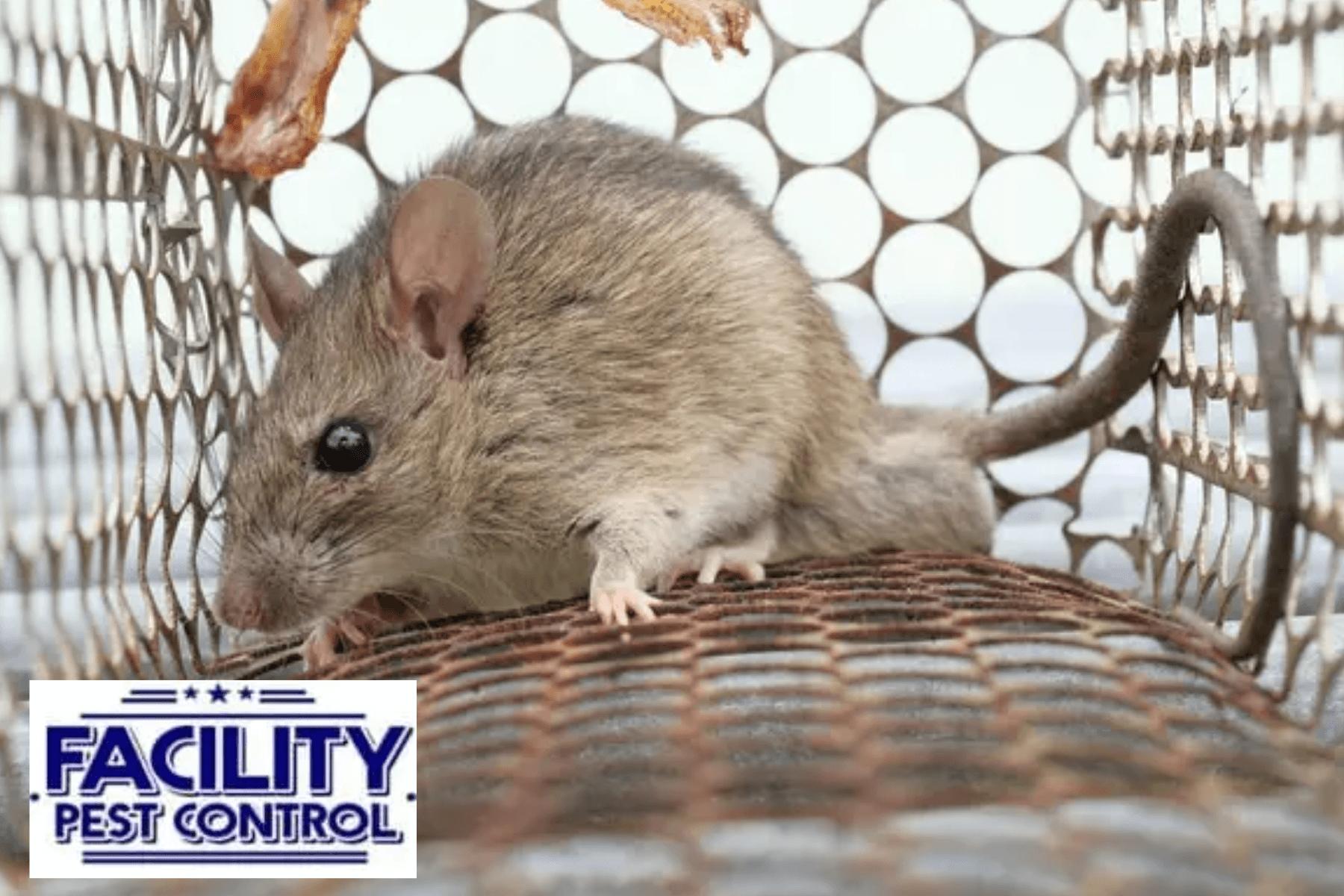
Rodents chew on electrical wiring and PEX piping primarily to manage their continuously growing incisors, which can grow up to 10 inches per year if not worn down through constant gnawing. Modern building materials also contribute to the problem, as many wire jackets use soy-based insulation that mimics food scents, while PEX tubing provides a soft, accessible pathway for water. This behavior is a biological necessity for the rodent, but it poses a significant fire and flood risk to your property.
Understanding the Rodent Impulse: Why Your Infrastructure is Under Attack
If you have ever stepped into your attic or crawlspace only to find shredded plastic and exposed copper, you’ve witnessed the aftermath of a rodent’s “dental plan.” To a mouse or a rat, your home isn’t just a shelter; it is a giant sharpening stone. Because their incisors lack roots and never stop growing, rodents must gnaw on hard materials to prevent their teeth from curving back into their jaw, a condition that would be fatal in the wild.
In residential areas like Woodland Hills, we often see an uptick in this behavior during the cooler months. When rats move indoors to seek warmth, they immediately look for nesting materials and “teething” surfaces. Unfortunately, the flexible nature of PEX (cross-linked polyethylene) and the slim profile of electrical wires are the perfect size for a rodent’s mouth.
The Material Science of Attraction
Beyond dental health, there is a chemical component to this attraction. In an effort to be more “green,” many manufacturers have shifted from petroleum-based plastic insulation to soy-based “bio-plastics.” While this is better for the environment, it is a dinner bell for pests. Rodents have a highly sensitive sense of smell, and to them, your dishwasher’s wiring smells like a snack.
Comparison of Damage: Wiring vs. PEX Piping
When a rodent targets your infrastructure, the symptoms and the severity of the damage depend entirely on the material. During a recent audit for a property owner in a Woodland Hills neighborhood, we found that while the homeowner suspected a simple plumbing leak, the reality was a dual infestation affecting both the water lines and the HVAC wiring.
| Feature | Electrical Wiring | PEX Piping |
| Primary Risk | Electrical fires / Arc faults | Major flooding / Mold growth |
| Rodent Motivation | Tooth maintenance / Soy scent | Tooth maintenance / Seeking water |
| Ease of Damage | Moderate (Copper core resists) | High (Soft plastic is easily pierced) |
| Detection Method | Flickering lights / Burning smell | Water spots / Drop in water pressure |
Debunking the Myth: Rodents Are Not Eating Your House
A common industry myth suggests that rodents ingest the plastic from your wires or pipes for nutrition. This is false. In reality, rodents rarely swallow the materials they chew. You will often find “frass” or tiny plastic shavings scattered near the damage site; this is the discarded material they’ve spat out.
The danger is that they don’t stop once the insulation is gone. Once the wire is “live” and exposed, it can spark against wooden beams, leading to house fires that are difficult to trace back to the source. Similarly, once they breach a PEX line, the water damage can remain hidden behind drywall for weeks, leading to expensive mold remediation.
Prevention and Exclusion Strategies
To protect your property, a “one-and-done” approach rarely works. You need a multi-layered defense strategy that addresses both the rodents’ entry points and the materials they find attractive.
1. Mechanical Barriers
The most effective way to stop a rodent is to use materials they physically cannot bite through. This includes:
- Steel Mesh: Wrapping vulnerable PEX segments in stainless steel mesh.
- EMT Conduit: Running electrical wires through metallic tubing in attics and crawlspaces.
- Galvanized Hardware Cloth: Sealing exterior vents and gaps with 1/4-inch steel mesh.
2. Chemical and Sensory Deterrents
While we always prioritize environmentally friendly solutions, using bittering agents on wires can be a powerful secondary defense. Capsaicin-treated tape is often used in the automotive industry to stop rats from nesting in car engines, and similar applications can be used for home wiring.
Our Proprietary Recovery Program: The Facility Pest Control Difference
At Facility Pest Control, we understand that a “one-size-fits-all” trap isn’t enough to protect a home from structural damage. Our Woodland Hills rodent control services use a specialized system designed to clear current infestations and prevent future gnawing. We take pride in our excellent customer service, ensuring that you are informed at every step of the process.
One-Week Rodent Trap Setting Program
For immediate, high-activity infestations, our One-Week Rodent Trap Setting Program focuses on rapid reduction. We perform an intensive setup of professional-grade traps in high-traffic “gnaw zones.” This is ideal for homeowners who have just discovered fresh damage to their wiring and need the threat removed immediately.
One-Month Rodent Trap Setting Program
For long-term peace of mind, our One-Month Rodent Trap Setting Program is the gold standard. This allows us to account for the “neophobia” (fear of new objects) that rats often exhibit. Over four weeks, we monitor bait takes, adjust trap placement, and, most importantly, identify the structural “weak spots” where rodents are entering. This extended duration ensures we catch the entire colony, not just the “scouts.”
Whether you need rodent control in Woodland Hills for a small residence or a large commercial space, our team provides the personalized attention that big-box corporations simply cannot match.
People Also Ask (FAQ)
Why do rats chew on PEX pipe instead of copper?
PEX is a soft, flexible plastic that is much easier to grip with its teeth than hard, smooth copper. Furthermore, PEX can sometimes allow water to permeate the inside, attracting thirsty rodents.
Does homeowner’s insurance cover rodent damage to wiring?
This varies by policy, but many standard insurance policies exclude damage caused by “vermin” or rodents, classifying it as a maintenance issue. This makes preventive maintenance essential for protecting your investment.
How can I tell if a rodent has chewed my wires?
Look for flickering lights, tripped circuit breakers, or a faint “burning plastic” smell. If you find small plastic shavings (blue, red, or white) in your attic or under sinks, it is a clear sign of PEX or wire damage.
Secure Your Home Today with Facility Pest Control
Don’t wait for a flooded kitchen or a shorted circuit to realize you have a rodent problem. At Facility Pest Control, we are a family-owned business that treats your home as if it were our own. We believe in tailored, environmentally friendly solutions that provide lasting relief and security.
If you suspect them eyeing your plumbing or electrical system, we are here to help. We offer specialized rodent control in Woodland Hills, CA, and the surrounding areas, including Thousand Oaks, Simi Valley, and Malibu. To show our appreciation for our community, we provide exclusive discounts for healthcare workers, military personnel, first responders, teachers, and senior citizens.
Ready to protect your home?
- Schedule an inspection to assess your property’s vulnerabilities.
- Explore our full suite of services tailored to your specific needs.
- Reach out to our friendly team today with any questions about prevention and treatment.
Let us give you the peace of mind you deserve. Contact us today to keep your infrastructure safe!