By the Facility Pest Control team, reviewed by Sam Karbelnig, owner
Carpenter ants are more than just a nuisance; they’re a serious threat to your home’s structure. While they don’t eat wood like termites, they excavate it to build their nests, weakening beams, flooring, and other wooden structures over time. If you’ve spotted these large black ants in or around your property, it’s time to act fast. Below, we’ll explore how to get rid of carpenter ants, signs of a

Carpenter ants are more than just a nuisance; they’re a serious threat to your home’s structure. While they don’t eat wood like termites, they excavate it to build their nests, weakening beams, flooring, and other wooden structures over time. If you’ve spotted these large black ants in or around your property, it’s time to act fast. Below, we’ll explore how to get rid of carpenter ants, signs of an infestation, and effective strategies you can use to protect your home.
What Are Carpenter Ants?
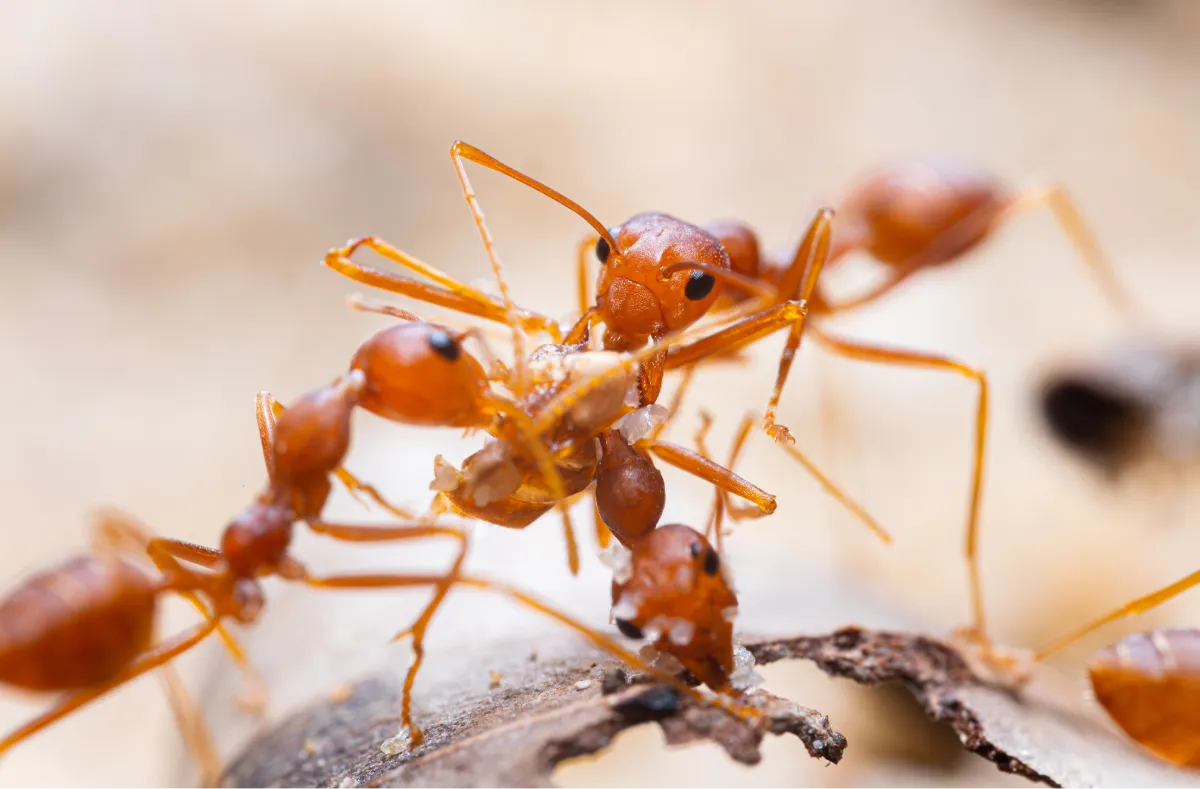
Carpenter ants are large ants, often black or red and black, ranging from 1/4 to 1/2 inch in length. They’re most commonly found in moist or decaying wood, but they can also nest in dry wood and insulation. Unlike other ants that build nests in soil or under stones, carpenter ants carve tunnels inside wood to create their colonies.
What Makes Carpenter Ants So Destructive?
Carpenter ants prefer damp or decaying wood, which makes homes with moisture problems prime targets. Once inside, they tunnel through wood to create nests and satellite colonies. Unlike termites, they don’t consume the wood, but the damage they cause can be just as significant.
You’ll often find them in areas like:
- Attics and crawl spaces
- Wall voids
- Door and window frames
- Around dishwashers, sinks, or bathrooms
Carpenter ants are especially active at night and may forage up to 100 yards from their nest for food. They’re known for their resilience, and getting rid of them completely requires a targeted approach.
How to Identify a Carpenter Ant Infestation
Early detection is key to avoiding extensive damage. Here are the most common signs you might have a carpenter ant problem:
Sawdust Trails (Frass)
Carpenter ants push out fine, sawdust-like material (called frass) as they tunnel through wood. You may find piles of it near wooden structures or baseboards.
Rustling Noises in Walls
In quiet environments, you may hear faint rustling as ants move through tunnels inside your walls.
Winged Ants Indoors
Swarmers, winged carpenter ants, are a strong sign of a mature colony. If you spot them indoors, it’s a clear sign there’s a nest nearby.
Hollow-Sounding Wood
Tapping on wooden beams or flooring and hearing a hollow sound could indicate internal damage caused by carpenter ants.
Why Carpenter Ants Keep Coming Back
If you’ve controlled a few ants but keep seeing more, there’s a reason for that. Carpenter ants are persistent because:
1. You Didn’t Find the Parent Nest
Carpenter ants often establish satellite colonies apart from the main nest. Even if you control one nest, the others may remain active. These colonies work together, and the loss of even one can lead to reinfestation.
2. There’s a Constant Moisture Source
Carpenter ants are highly attracted to moisture-damaged wood. Leaky roofs, plumbing problems, or improperly sealed windows and doors create ideal conditions for infestation. As long as moisture is present, they’ll keep coming back.
3. Food Sources Are Unaddressed
These ants forage for proteins and sugary substances, both indoors and outdoors. Pet food, crumbs, garbage cans, or outdoor fruit trees can draw them in, and once they find a steady supply, they rarely leave willingly.
4. DIY Methods May Not Reach Deep Nesting Areas
Sprays and bait traps might kill visible ants, but carpenter ant colonies can be buried deep within your walls or foundation. Without a comprehensive treatment plan, you’ll only deal with the symptoms, not the root cause.
Proven Removal Methods That Work
Now that you know the warning signs, let’s look at how to get rid of carpenter ants using proven, effective methods.
1. Locate the Nest
The first step is identifying the location of the nest. Follow the ants to see where they’re coming from. Look for moisture near areas such as under sinks, in the attic, or near windows. Finding the nest is crucial for applying any long-lasting solution.
2. Control Moisture Sources
Carpenter ants are attracted to damp wood. Repair leaky pipes, roof leaks, or any water-damaged areas in your home. Consider using a dehumidifier in areas with poor ventilation, like basements or crawl spaces.
3. Use a Professional-Grade Carpenter Ant Killer
Once you’ve located the nest, use a targeted carpenter ant killer. There are gel baits, dusts, and non-repellent insecticides designed specifically for carpenter ants. Dust insecticides can be applied inside wall voids, while non-repellent sprays create invisible barriers that ants unknowingly walk through and carry back to the colony.
Keep in mind that over-the-counter products might not control the entire colony, especially satellite nests hidden in walls or outdoor areas. A professional pest control service in Woodland Hills, CA, is often the most effective route.
4. Trim Trees and Remove Wood Debris
Carpenter ants often use branches and vines as bridges to enter your home. Trim back any vegetation touching your roof or walls. Remove logs, stumps, and woodpiles near the home’s foundation, which can serve as nesting sites.
5. Seal Entry Points
Inspect your home for small cracks or openings where ants might enter. Seal gaps around doors, windows, utility lines, and foundation vents using silicone caulk or expandable foam.
6. Schedule a Professional Inspection
If the infestation persists or you’re unsure where the ants are nesting, it’s time to contact a trusted expert in ant control, such as a professional exterminator in Woodland Hills. A trained technician can identify nesting locations, apply commercial-grade treatments, and provide long-term prevention strategies tailored to your home.
Prevention Tips to Keep Carpenter Ants Out
After removal, take proactive steps with proper ant control measures to keep these pests away:
- Store firewood at least 20 feet from your home.
- Clean up food spills and keep food sealed in airtight containers.
- Maintain your landscaping and gutters to avoid excess moisture.
- Schedule routine pest inspections, especially if you’ve had past problems.
Why DIY Isn’t Always Enough
Carpenter ant infestations are often deeper and more complex than they seem. Satellite colonies can continue to grow even if the main nest is treated. DIY treatments may temporarily reduce visible activity, but usually fail to control the root problem. That’s why it’s important to rely on professionals who specialize in pest control services in Woodland Hills for comprehensive solutions.
FAQs
1. What attracts carpenter ants to a home?
Moisture-damaged wood, food sources, and easy entry points attract carpenter ants.
2. Are carpenter ants dangerous?
Yes, they can weaken wooden structures by tunneling through them over time.
3. How do I know if I have a carpenter ant infestation?
Look for sawdust-like frass, rustling noises in walls, and winged ants indoors.
4. Can I get rid of carpenter ants on my own?
DIY methods may help temporarily, but they often don’t control hidden or satellite colonies.
5. How can I prevent carpenter ants from returning?
Control moisture, seal entry points, and maintain proper ant control practices.
About Facility Pest Control
At Facility Pest Control, we provide reliable, family-safe pest management solutions for residents and businesses in Woodland Hills, CA, and surrounding areas. As a local, family-owned business, we’re dedicated to providing personalized attention that larger companies simply can’t match.
Our General Pest Control Services target ants, spiders, roaches, and more, with flexible monthly, bi-monthly, and hybrid plans. We treat both interior and exterior areas, offer mosquito control, use family- and pet-safe products, provide a 10% discount for select groups, and include a 30-day guarantee.
If you’re noticing signs of carpenter ants, don’t wait for structural damage to get worse. Take action now with proven ant control solutions. Contact us today for safe, effective treatment and long-term protection you can rely on.
Learn more here:
Are All Black Ants Carpenter Ants
Signs Of Carpenter Ants In The House: What You Need To Know
Signs of Carpenter Ants in the House: What to Look For and What to Do