By the Facility Pest Control team, reviewed by Sam Karbelnig, owner
No, not all black ants are carpenter ants. While some carpenter ants are black, many black ants found around homes are harmless nuisance ants that do not damage wood. The easiest way to tell the difference is by looking at their size, body shape, behavior, and whether they’re causing structural damage to your home.
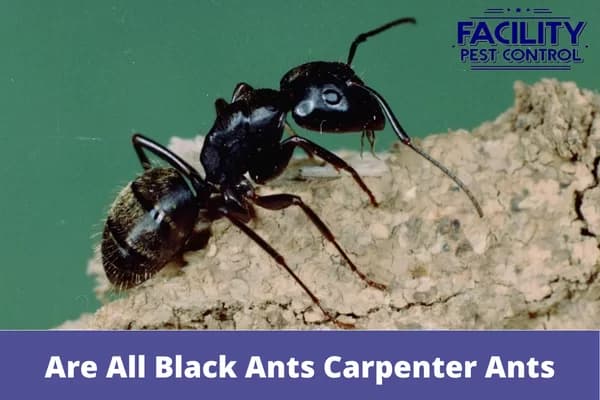
No, not all black ants are carpenter ants. While some carpenter ants are black, many black ants found around homes are harmless nuisance ants that do not damage wood. The easiest way to tell the difference is by looking at their size, body shape, behavior, and whether they’re causing structural damage to your home.
If you notice large black ants indoors, it’s important to identify them correctly because carpenter ants require a different treatment approach than common household ants.
How to Tell the Difference Between Carpenter Ants and Black Ants
At first glance, carpenter ants and other black ants may look almost identical, but there are several key differences.
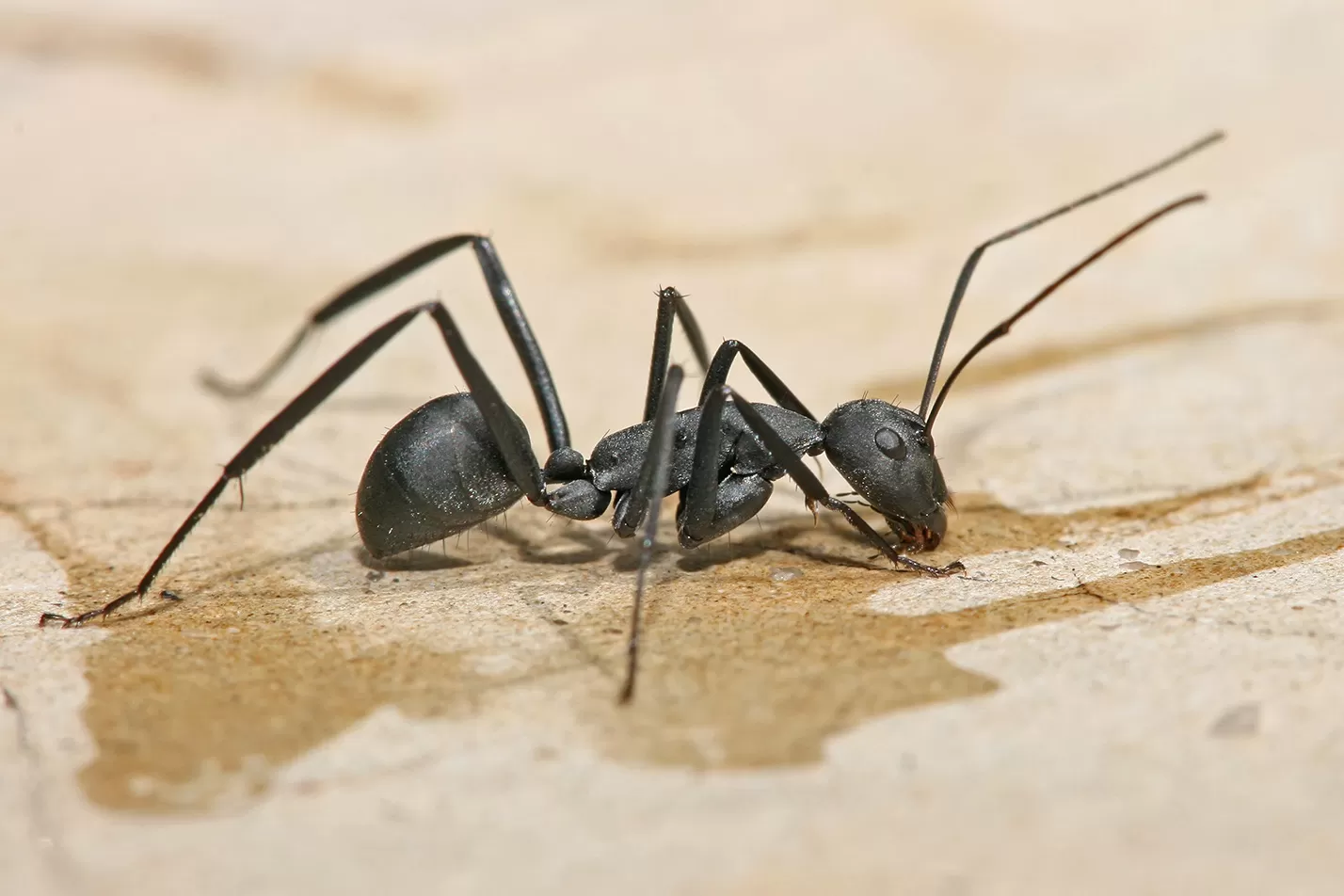
Carpenter ants are among the largest ants commonly found in homes, with workers often measuring between ¼ and ½ inch long. They have elbowed antennae, a single node (waist), and a smooth, rounded thorax when viewed from the side. During their reproductive season, winged carpenter ants have larger front wings than back wings.
Many common black ants are much smaller and have an uneven thorax. Although these ants can contaminate food and become a nuisance indoors, they usually don’t damage wooden structures.
The biggest difference isn’t just their appearance; it’s what they do inside your home.
Why Carpenter Ants Are More Serious
Unlike most common black ants, carpenter ants tunnel through wood to build their nests. Although they don’t eat wood like termites, they excavate damp or decaying wood to create galleries where their colonies live.
Over time, large colonies can weaken wooden structures, especially around:
- Window frames
- Door frames
- Rooflines
- Bathrooms
- Kitchens
- Crawl spaces
- Areas with plumbing leaks
During a recent inspection for a homeowner looking for pest control in Reseda, CA, our technicians found carpenter ants nesting inside moisture-damaged wood beneath a leaking window. The homeowner originally believed they were ordinary black ants, delaying treatment until structural damage had already begun.
Understanding Their Behavior
Common black ants usually enter homes searching for food or water. You may notice long trails leading to crumbs, sugary foods, or pet bowls, especially during warmer months.
Carpenter ants behave differently. They often establish outdoor colonies in tree stumps, fallen logs, or damaged trees before expanding into nearby homes. Indoor nests are commonly found in damp wood created by roof leaks, plumbing leaks, or poor ventilation.
If you see large winged ants inside your home, particularly near windows or doors, it may indicate an active carpenter ant colony nearby or even inside the structure.
Homeowners searching for pest control in Reseda often discover carpenter ant problems after noticing piles of sawdust-like material, known as frass, beneath windows, baseboards, or wooden trim.
How to Help Prevent Carpenter Ants
Preventing carpenter ants starts by reducing the conditions that attract them.
Repair leaking roofs, plumbing, and damaged siding to keep wood dry. Remove rotting wood around your property, trim tree branches away from your roof, and seal gaps around windows, doors, and utility openings.
It’s also a good idea to store firewood away from your home’s foundation and avoid stacking lumber directly against exterior walls.
Regular inspections can help identify moisture problems before carpenter ants have a chance to establish a colony.
Frequently Asked Questions
How can I tell if I have carpenter ants?
Carpenter ants are larger than most black ants and are often found near damp or damaged wood. You may also notice small piles of sawdust-like material called frass near their nesting areas.
Do carpenter ants eat wood like termites?
No. Carpenter ants do not eat wood. They tunnel through it to build nests, which can weaken wooden structures over time.
When should I call a pest control professional for carpenter ants?
If you continue seeing large black ants indoors, notice signs of nesting, or suspect structural damage, it’s best to schedule a professional inspection before the infestation grows.
When to Call a Professional
If you’re seeing large black ants repeatedly or suspect carpenter ants have moved into your home, professional treatment is the safest way to protect your property.
Unlike smaller nuisance ants, carpenter ants often require professional ant control that focuses on locating and treating hidden nests instead of simply controlling the ants you see. An experienced technician can identify the species, inspect for moisture problems, locate nesting sites, and recommend the most effective treatment plan for long-term results.
If you’re concerned about an infestation, the professionals at Facility Pest Control can perform a thorough inspection and provide customized solutions that help control carpenter ants while preventing future infestations.
Protect Your Home from Carpenter Ants
If you think carpenter ants have invaded your home, don’t wait for the damage to get worse. Contact us today to schedule an inspection and let our experienced team provide a customized solution to keep your home protected.
LEARN MORE HERE:
Shiny vs. Fuzzy: How to Tell the Difference Between a Carpenter Bee and a Bumble Bee
Carpenter Ants Invading? Here’s How to Control Them Before They Wreck Your Home