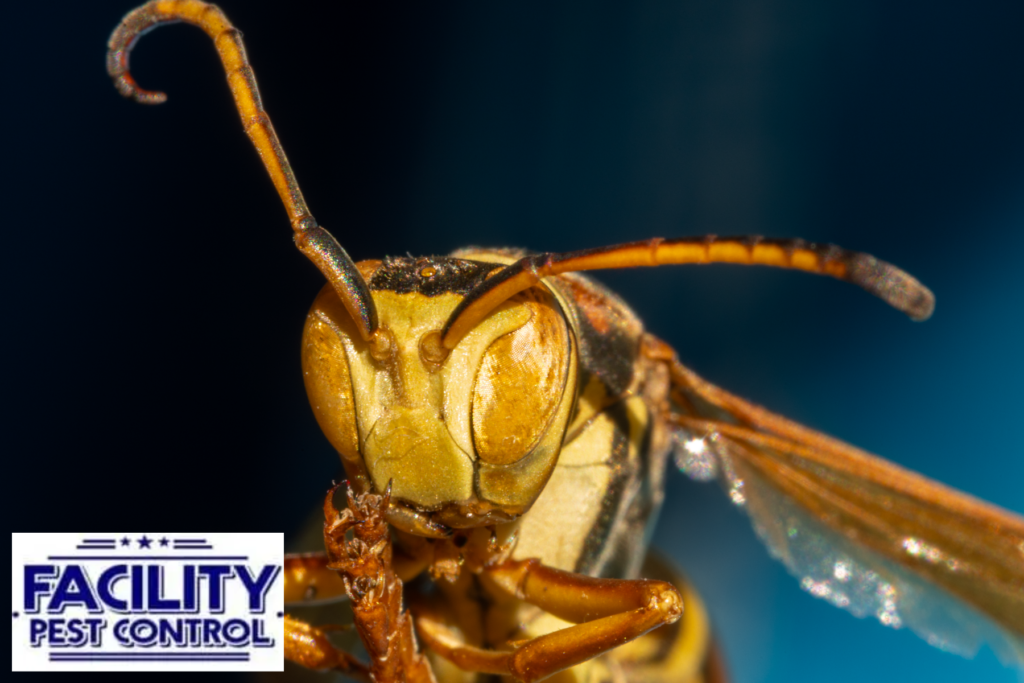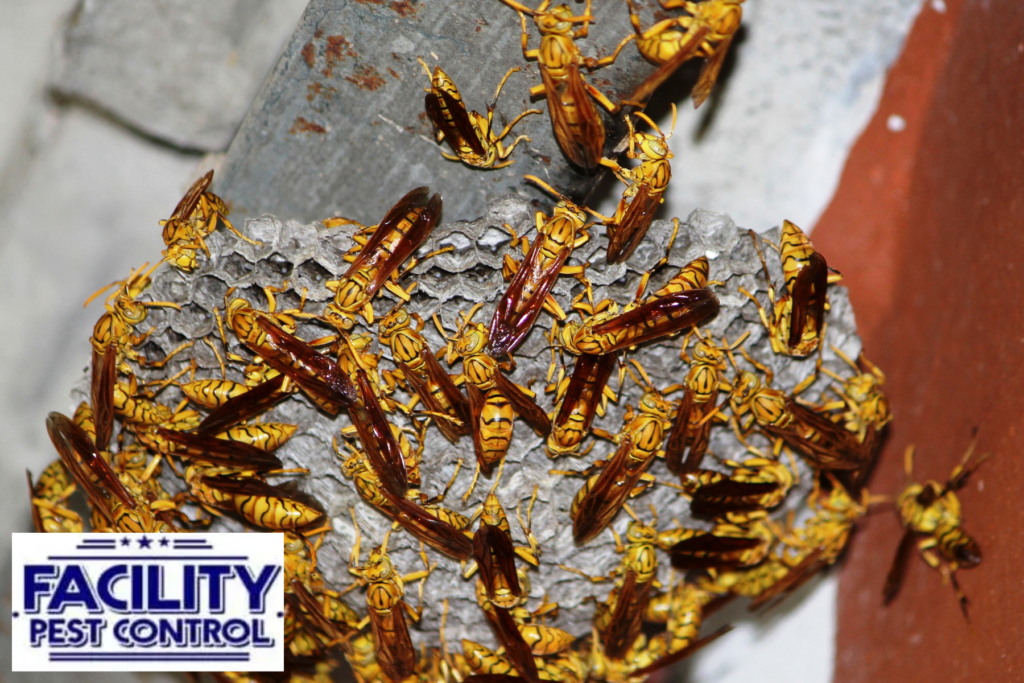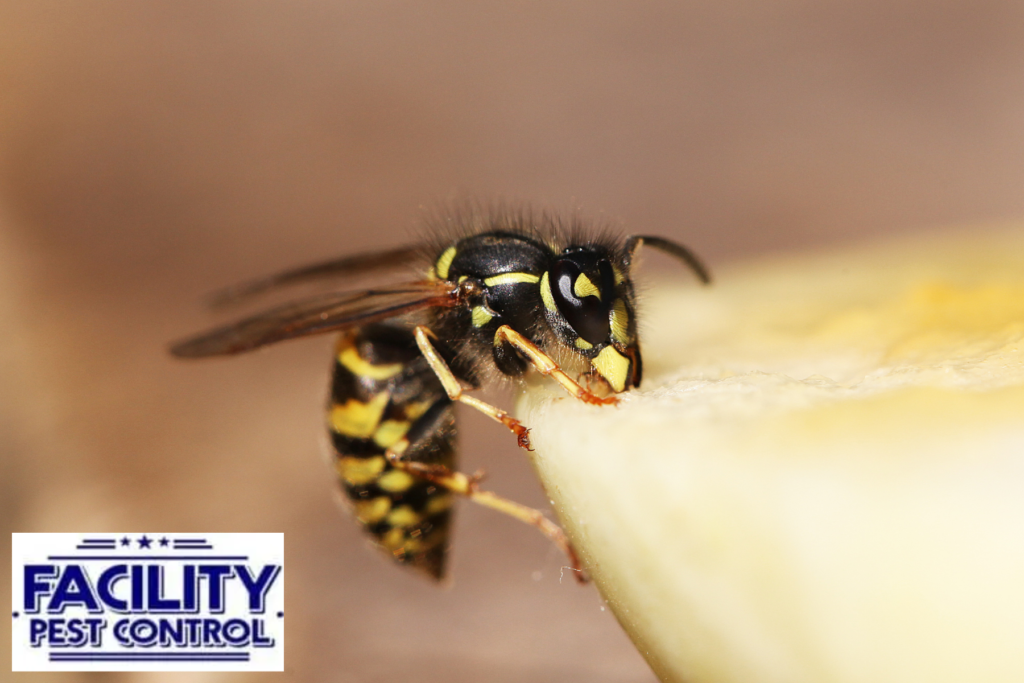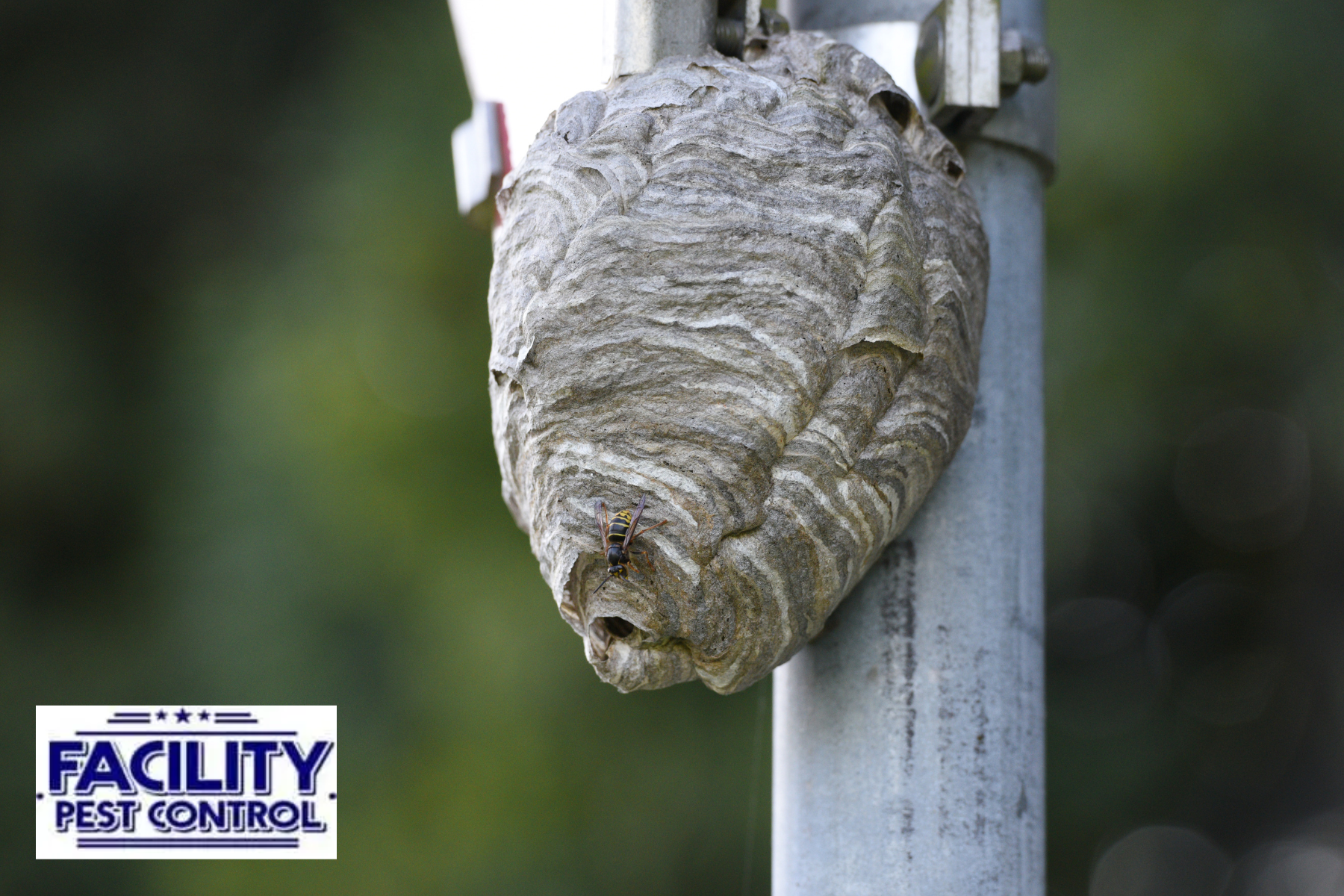
If you’ve ever had a run-in with wasps, you know how unpleasant and potentially dangerous they can be. As temperatures rise and wasp activity increases, many homeowners search for ways to deter these stinging pests without using harsh chemicals or risking aggressive swarms. One popular solution that’s been making rounds on social media and DIY blogs is the fake wasp nest. But the big question remains: Do fake wasp nests really work? Let’s dive into the science, effectiveness, and best practices surrounding this buzzing topic.
Understanding Wasp Behavior
To understand whether fake wasp nest is effective, it helps to first know a little about how wasps operate.
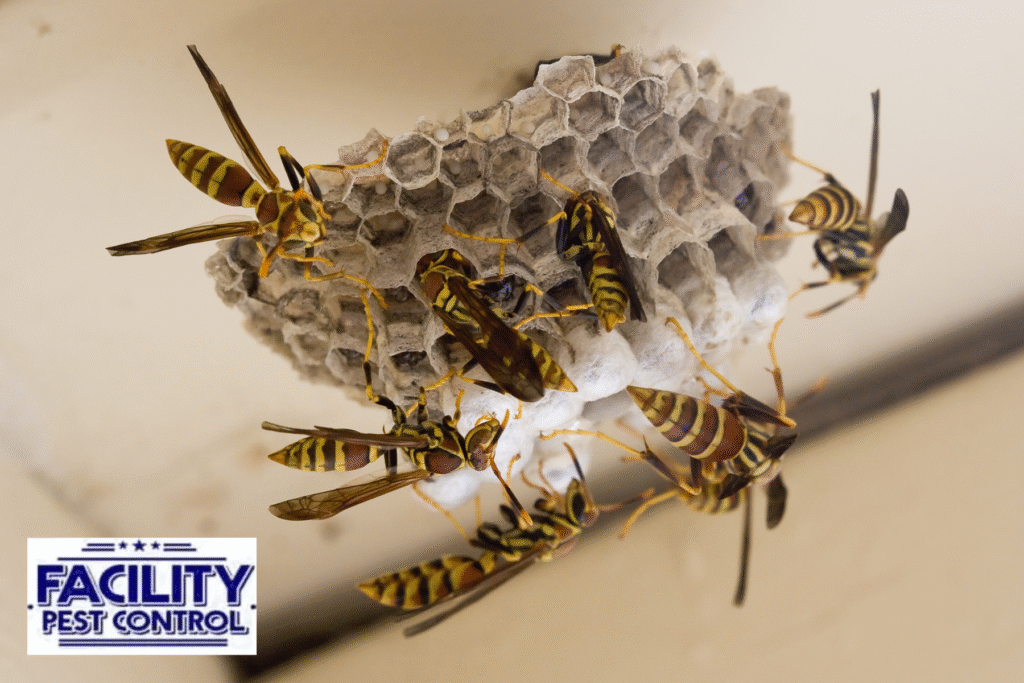
Wasps, particularly species like yellow jackets and paper wasps, are territorial insects. They generally don’t build nests near other colonies. This territorial behavior is the basis for the theory behind fake nests: if a wasp thinks another colony has already claimed the area, it may move on to find another location.
While this makes sense in theory, not all wasp species respond the same way, and many factors including food sources, shelter availability, and previous nesting locations can still influence their decision to build a nest nearby.
The Truth About Fake Wasp Nests
Are They Effective?
The idea behind a fake wasp nest is simple: trick wasps into thinking the territory is already taken. While some anecdotal evidence supports this method, scientific studies on the subject are limited, and results are mixed.
Some homeowners report success, especially when nests are hung early in the season before wasps establish a home. However, others find that wasps simply ignore the decoy or worse, build a nest right beside it.
What the Experts Say
Pest control professionals generally view fake wasp nests as a supplementary deterrent, not a standalone solution. In areas with high wasp activity or in seasons with increased pest pressure, a fake nest might not be enough to keep wasps at bay.
Additionally, fake nests do not eliminate existing nests, nor do they kill or repel wasps that are already active in the area. They’re purely a preventive tool, and their success depends largely on timing and environmental conditions.
When to Use a Fake Wasp Nest
If you’re considering using a fake wasp nest, here are a few tips to increase its chances of working:
1. Install Early in the Season
Place fake nests in early spring before queen wasps begin to scout nesting locations. Once a colony is already established, the decoy becomes much less effective.
2. Use in Combination with Other Methods
Pair your fake wasp nest with other wasp control near me methods. Professional treatment, de-webbing, and yard sprays can create a more effective overall defense.
3. Position Strategically
Hanging the fake nest in areas wasps might otherwise consider nesting under eaves, in patios, or near attics. Ensure it’s in a visible location, mimicking where a real wasp colony might be.
4. Keep It Maintained
Like any pest control tool, check your fake nest regularly. Weather can damage or displace it, rendering it ineffective.
Safer Alternatives for Wasp Control
For those who want to keep wasps away but don’t want to use pesticides, here are some additional strategies that align with how to get rid of wasps without killing them:
- Eliminate food sources: Wasps are attracted to sweet drinks, garbage, and pet food. Keep these sealed and clean up spills promptly.
- Seal entry points: Prevent wasps from getting into your home by sealing cracks, vents, and other openings.
- Natural deterrents: Some essential oils like peppermint oil can deter wasps when applied around your home’s entry points and outdoor sitting areas.
- Professional inspection: Have a licensed technician inspect your property and identify attractants or potential nesting spots.
When It’s Time to Call a Professional
If fake nests and other natural deterrents aren’t keeping wasps away or worse, if you’ve discovered an active nest don’t take risks. Wasps can be aggressive and territorial, especially when defending a nest.
Working with a local pest control provider, especially one familiar with the area like a pest control West Hills expert, can ensure you’re using the right solutions tailored to your environment.
Facility Pest Control specializes in West Hills pest control, offering eco-conscious and highly effective services to deal with wasps, ants, spiders, roaches, and more.
About Facility Pest Control
Facility Pest Control is a local, family-owned business committed to offering personalized service with a level of care big corporations simply can’t match. Proudly serving the West Hills, CA area, our team provides a full range of pest control services designed to protect your home or business from unwanted invaders safely and effectively.
Our General Pest Control services are available in three flexible plans:
- Monthly: Continuous protection with monthly visits.
- Hybrid: Monthly in warmer months and bi-monthly during the cooler seasons.
- Bi-Monthly: Treatment every other month for steady protection.
Each plan includes treatment for ants, spiders, earwigs, crickets, roaches, and wasps. Additional services are available for scorpions, fleas, ticks, bees, hornets, and yellow jackets.
Exterior services include de-webbing eaves, yard treatments with granules, backpack yard spraying, wall void dusting, and full perimeter sprays.
Interior services include treatment of garages, attics, under sinks, behind appliances, baseboards, and key entry points.
Our approach uses family- and pet-friendly, natural organic products backed by a 30-day guarantee. We proudly offer a 10% discount to healthcare workers, military, first responders, teachers, and seniors.
We also offer mosquito control, including fogging, barrier sprays, and the In2Care mosquito bucket system.