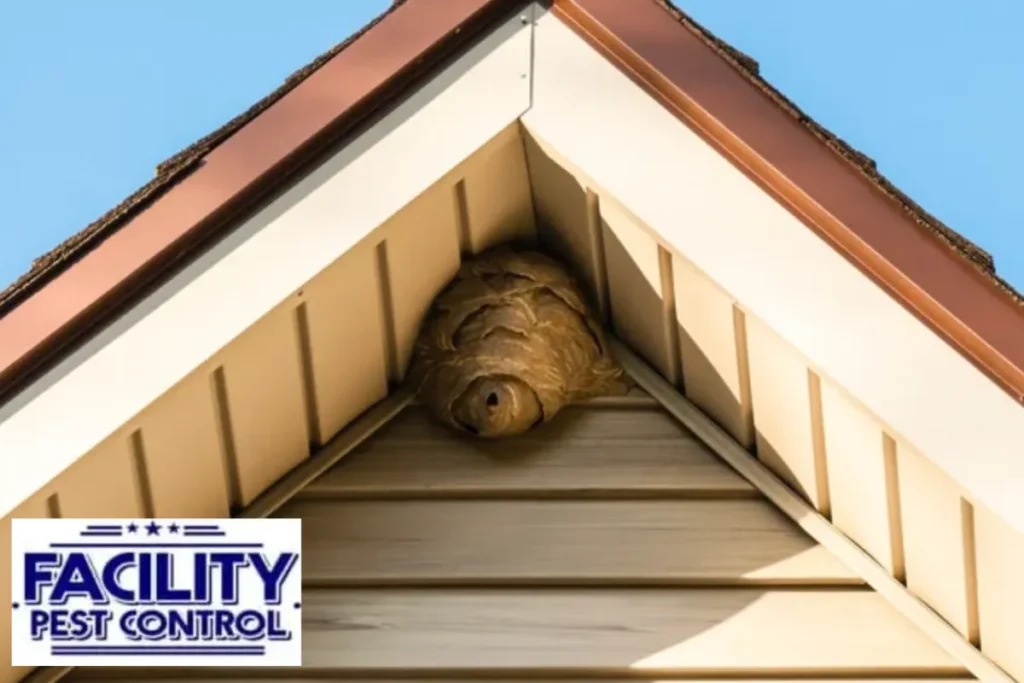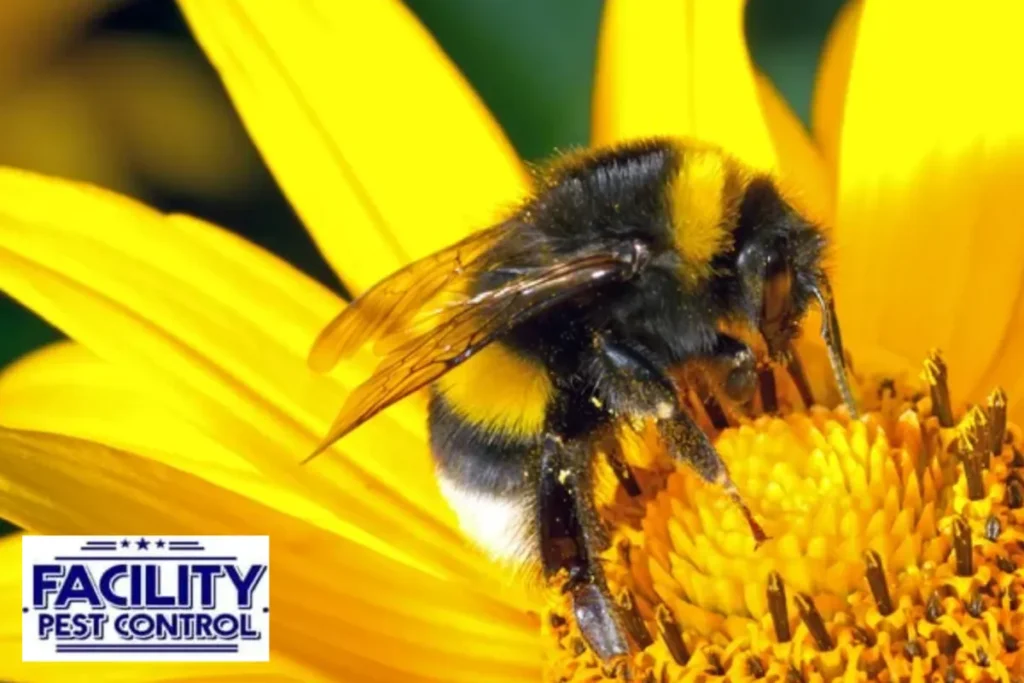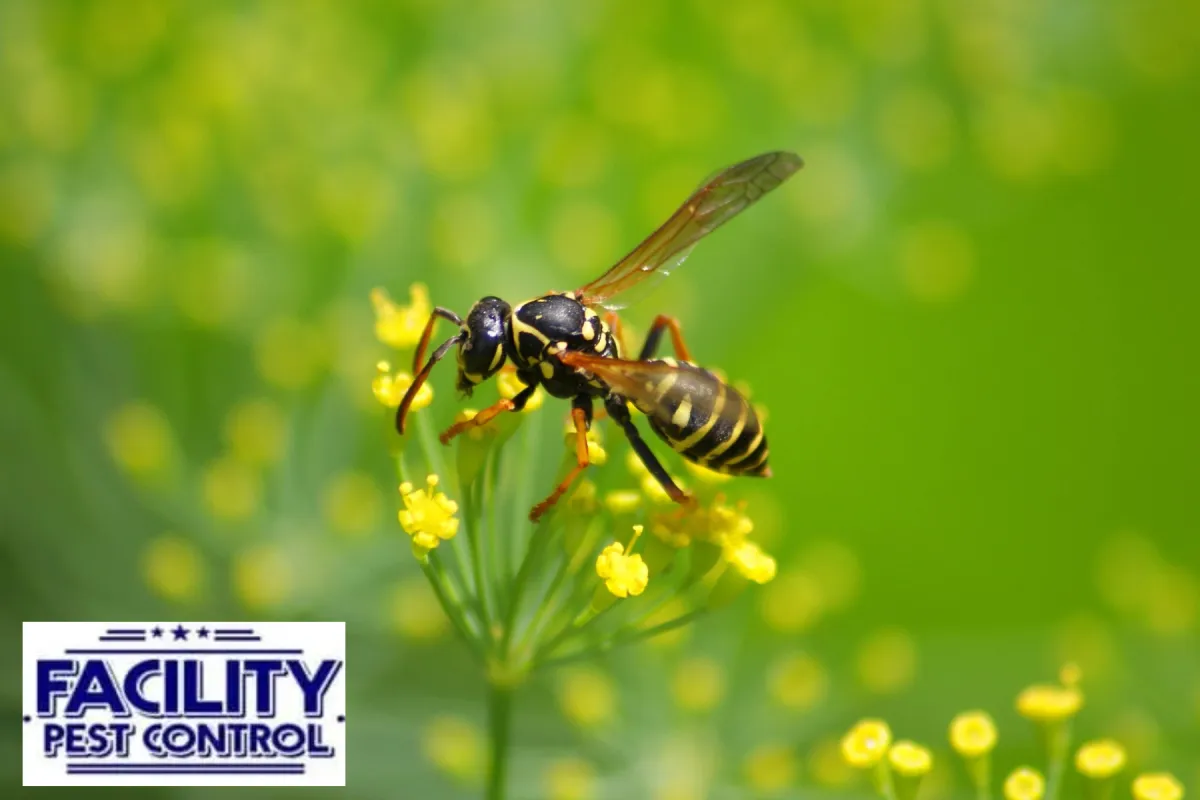
Professional bee and wasp control is strongly recommended over DIY removal because stinging insects actively defend their nests by swarming and attacking perceived threats. Spraying or removing a nest without specialized personal protective equipment often leads to multiple stings, severe allergic reactions, and accidental injury from falls. Furthermore, professionals ensure complete hive extraction from wall voids, preventing structural damage from melting honey and stopping secondary pest infestations.
DIY Nest Removal vs. Professional Bee and Wasp Control Services
Comparing self-removal attempts with professional treatment highlights why expert handling is critical for safety and long-term results.
| Feature / Metric | DIY Nest Removal Attempt | Professional Bee & Wasp Control |
| Personal Safety & Gear | Standard clothes; high risk of painful stings | Full-body bee suits with gauntlets and protective veils |
| Species Identification | Low; often confuses bees with aggressive wasps | Accurate species identification to guide safe treatment |
| Reach & Equipment | Store-bought aerosol cans with limited spray range | High-pressure foaming tools, telescoping poles, and dusters |
| Structural Void Extraction | Surface sprays trap insects inside walls, risking indoor entry | Safe structural opening, comb extraction, and sanitization |
| Secondary Pest Prevention | Leftover honey rots inside walls, attracting ants and mice | Complete structural sealing, exclusion, and scent removal |
4 Critical Hazards of Attempting DIY Stinging Insect Removal
- Mass Swarm Aggression Response
Disturbing an active nest triggers an alarm pheromone release, mobilizing hundreds of insects to defend their queen and attack simultaneously. - Severe Allergic Reactions and Anaphylaxis
Receiving multiple stings within seconds can induce severe toxic reactions or anaphylactic shock, even in people without a known allergy. - Property Damage from Melting Honey
Spraying a wall void nest without removing the physical hive allows abandoned honeycomb to break down, soaking drywall and staining ceilings. - Incomplete Colony Eradication
Over-the-counter sprays rarely penetrate deep brood chambers, driving surviving insects further into structural cavities to build new exit routes.
Applying Our Stinging Insect Defense Strategy to Solve This
Spraying a nest with consumer aerosols often worsens the issue by agitating the insects without reaching the core colony. At Facility Pest Control, our family-owned team delivers personalized solutions that resolve stinging insect threats safely:
- Trained Technicians and Modern Removal Methods: Our trained technicians and modern removal methods ensure every nest is evaluated, identified, and safely removed without putting your family at risk.
- Safe and Humane Removal Practices: We prioritize the safe and humane removal of beehives taking years of experience and training, referring clients to live beehive removal specialists when relocation is required.
- EPA-Registered Pesticides: When treatments are necessary on your property, we strictly use EPA-registered pesticides applied in accordance with label instructions to ensure a safe process.
- Safe and Effective Treatment Plans: Every situation receives a safe and effective treatment plan tailored to your property layout, ensuring complete removal and long-term structural defense.
Common Misconception: Spraying Store-Bought Aerosols at Night Is Completely Safe
The Myth: Bees and wasps are blind and asleep at night, so spraying an aerosol directly into a nest opening guarantees easy elimination without any risk of stings.
The Reality: While stinging insects are less active after dark, they are extremely sensitive to vibrations, temperature changes, and artificial light. Shining a flashlight or disturbing a nest entrance at night instantly triggers a defensive response, sending agitated insects directly toward the light source. Additionally, surface aerosols fail to reach interior brood chambers inside wall voids or underground burrows, leaving the main population unharmed.
Technical Specifications & Removal Terminology
- Alarm Pheromone (Isopentyl Acetate): A chemical compound released by stinging insects when threatened that alerts the colony to attack the source of disturbance.
- Wall Void Extraction: The process of carefully opening exterior soffits, siding, or drywall to remove hidden combs and nest materials.
- Foaming Insecticide Application: A specialized application method where expanding foam fills hollow wall cavities to coat all nesting chambers evenly on contact.
- Secondary Pest Vector: Organisms like wax moths, carpet beetles, ants, and mice that are attracted to unextracted honey and decaying brood left inside walls.
Why Property Owners Need Professional Stinging Insect Removal
Stinging insects build nests in high-traffic zones like roof eaves, entry doorways, hollow trees, and wall voids. Without professional care, a small nest can grow into a major structural hazard before mid-summer.
During a recent property evaluation for a home in Van Nuys, our technician discovered paper wasps building a large nest inside an attic vent. The homeowner tried spraying the vent opening from a ladder, which agitated the wasps and forced them through ceiling gaps into the hallway. Our team arrived, wore full protective gear, treated the vent cavity safely, and removed the nest materials completely.
Partnering with an experienced team for pest control in Van Nuys, CA guarantees that nests are handled without risking family safety. Thorough removal stops aggressive insects from rebuilding along rooflines.
If you spot increasing wasp activity near your patio or hear buzzing behind interior drywall, contacting specialists for pest control in Van Nuys provides fast, effective relief. Personalized service plans ensure your home stays protected throughout the warm season.
Investing in reliable Van Nuys pest control helps avoid accidental stings and expensive structural repairs. Comprehensive perimeter checks locate hidden nests early.
Professional bee and wasp control resolves active nests while closing entry points to safeguard your property year-round.
People Also Ask
Why are yellow jackets inside walls more dangerous than wasps on roof eaves?
Yellow jackets build large, multi-layered paper nests inside hidden wall voids. Attempting DIY treatments often drives thousands of aggressive insects through drywall joints into living spaces.
What should I do if bees build a hive inside my wall?
Keep your distance and avoid sealing the exterior entrance hole. Blocking the outside exit forces the bees to chew through interior drywall to find a new way out into your home.
Can honeybee hives be relocated instead of destroyed?
Yes. Whenever a honeybee colony is accessible and structurally sound, technicians evaluate the situation and refer clients to live hive specialists for safe relocation.
How long does it take for wasps to clear out after professional treatment?
Most active insects are neutralized on contact, and returning foragers disperse or succumb to residual treatments within 2 to 24 hours post-service.
Protect Your Home with Facility Pest Control
At Facility Pest Control, we are a family-owned and customer-focused business that values personalized service, trust, and reliability. We stand out by offering specialized attention that larger corporations cannot match. Our approach is friendly, professional, and solution-oriented, ensuring every customer feels protected and valued.
We prioritize professionalism, efficiency, and affordability across all our services. We believe in tailored pest control solutions rather than one-size-fits-all approaches, utilizing safe, family- and pet-friendly treatments to protect your health and environment. We stand behind our work with service guarantees and offer special discounts for healthcare workers, military personnel, first responders, teachers, and senior citizens.
Ready to clear stinging insects from your property safely? Contact us today to schedule your free inspection!