For most single-family homes, scheduling professional residential pest control on a quarterly basis (every 3 months) provides the ideal level of preventative protection. This 90-day cycle aligns perfectly with the typical lifespan of protective exterior barriers and disrupts the breeding schedules of common household pests before colonies can expand inside your walls. Homes facing heavy active infestations, high humidity, or severe rodent pressure may temporarily require monthly or bi-monthly visits to maintain a pest-free environment.
Pest Control Frequency by Service Type & Risk Profile
Understanding how treatment schedules vary based on pest species and environmental risk helps homeowners choose the right balance between cost efficiency and long-term security.
| Frequency | Best For | Typical Target Pests | Maintenance Goal |
| Monthly | Active severe infestations, commercial-adjacent structures, heavy mosquito breeding | Bed bugs, German cockroaches, heavy rodent activity, seasonal mosquitoes | Rapid population suppression and aggressive active barrier maintenance |
| Bi-Monthly (Every 2 Months) | Moderate pest pressure, homes with pets, properties with dense foliage | Spiders, general ant species, wasps, seasonal beetles | Consistent perimeter reinforcement during peak warm-weather months |
| Quarterly (Every 3 Months) | Standard preventative protection for the majority of residential properties | Pavement ants, earwigs, silverfish, crickets, paper wasps | Disruption of 90-day reproductive cycles and exterior barrier renewal |
| Semi-Annually / Annually | Low-risk environments, winterized climates, baseline structural checks | Subterranean termite monitoring, overwintering perimeter pests | Baseline property audits and structural wood-destroying organism inspections |
4 Steps: Recommended Treatment Schedules by Pest Type
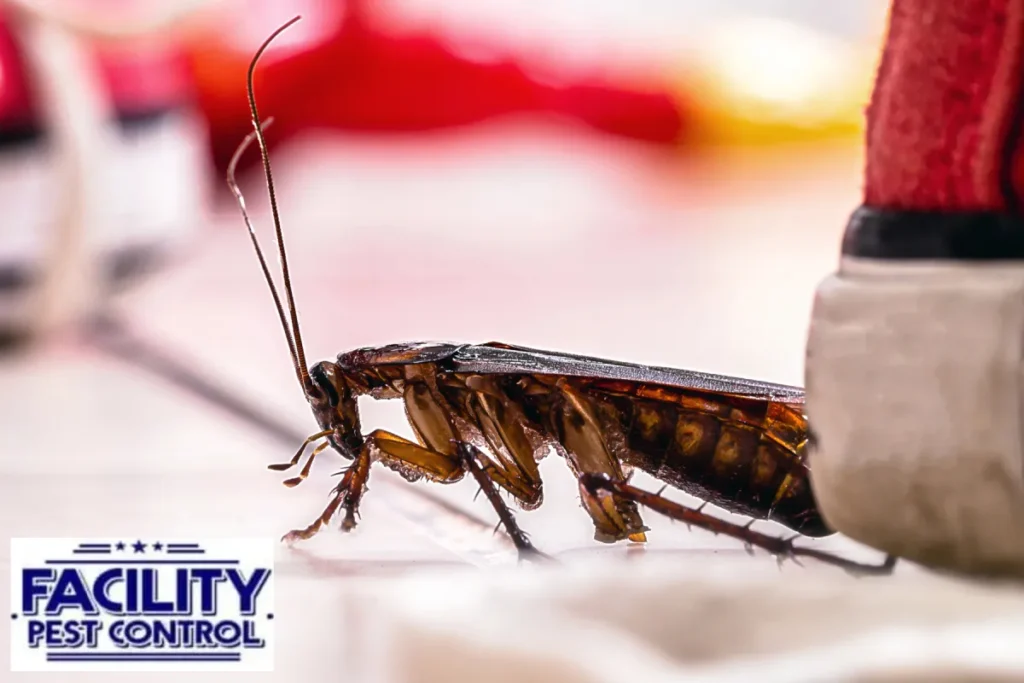
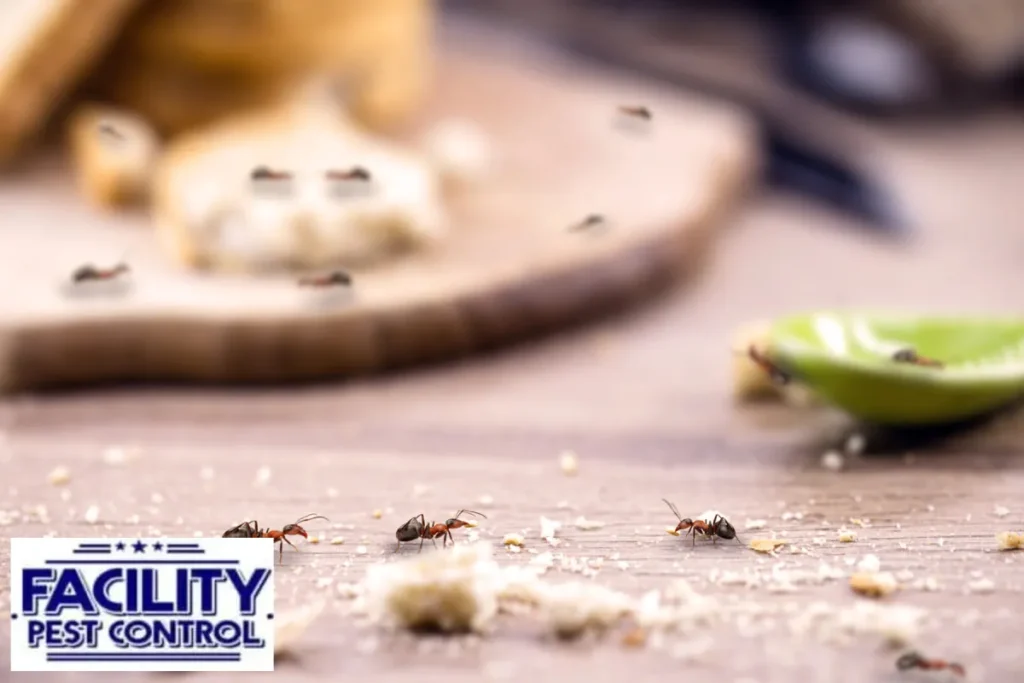
- General Crawling Insects: Ants, Spiders, & Roaches (Quarterly)
Exterior barrier treatments naturally degrade after 60 to 90 days under sunlight and rain. Scheduling quarterly visits ensures fresh protective bands are applied before outdoor populations reach entry points. - Rodents: Mice & Rats (Bi-Monthly to Quarterly)
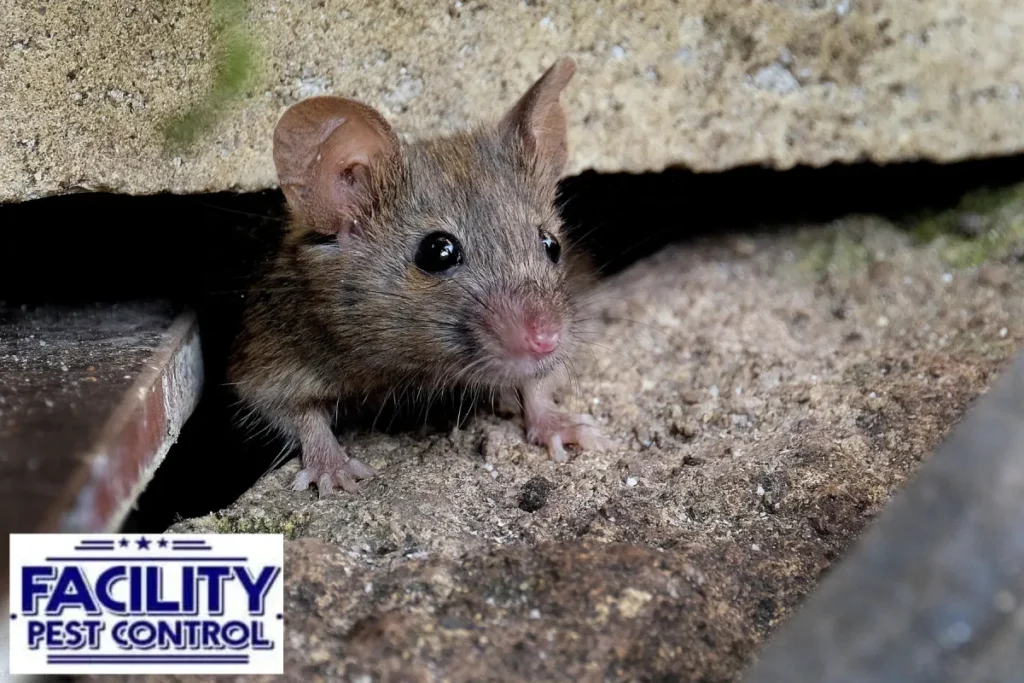
Initial rodent exclusion requires weekly checks until active pathways are sealed. Once clear, routine quarterly inspections keep exterior baiting networks stocked and confirm entry gaps remain closed. - Subterranean Termites (Annual Inspections & Continuous Monitoring)
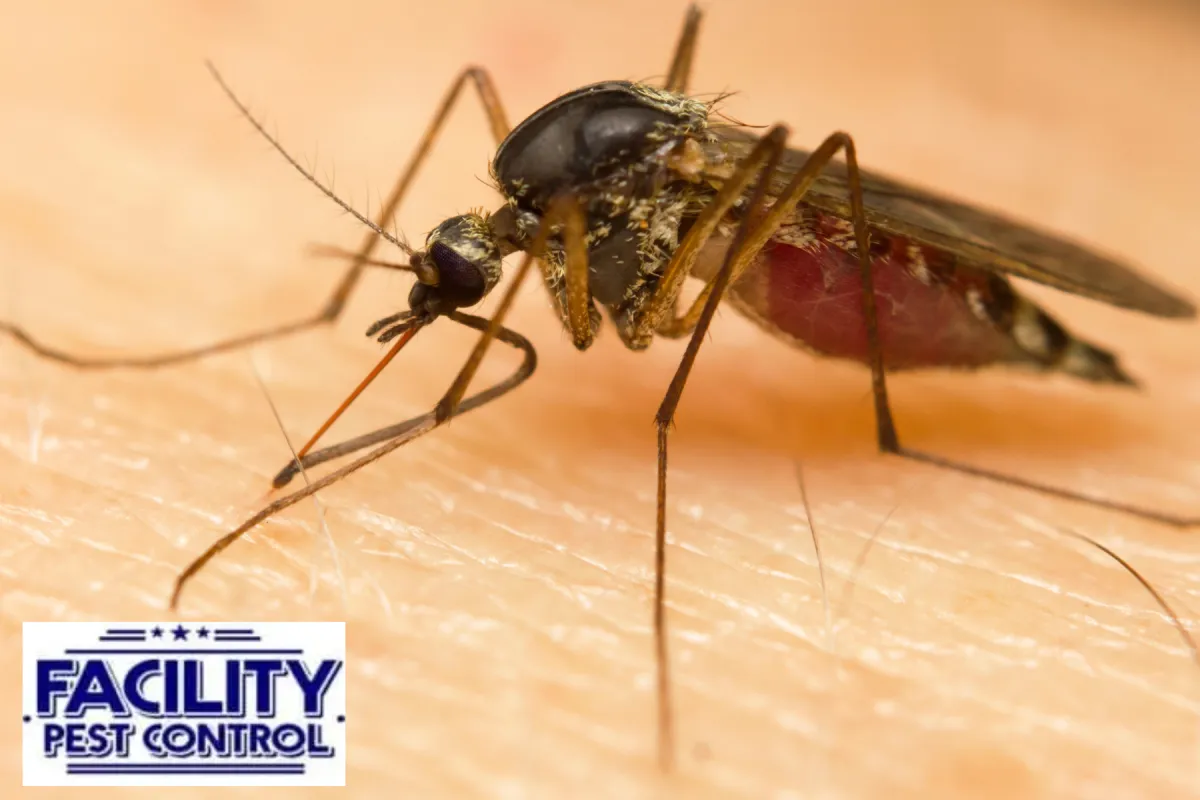
Structural wood-destroying insect checks should happen at least once every 12 months, with monitoring stations inspected semi-annually to catch subterranean colonies early. - Mosquitoes & Flying Insects (Monthly During Active Seasons)
Because mosquitoes reproduce rapidly in standing water during warm weather, monthly property treatments during spring and summer are necessary to break continuous egg-laying cycles.
Applying Our Mosquito & Pest Defense Matrix to Solve This
Waiting until pests appear inside your living room means an infestation has already taken root behind walls or under subflooring. At Facility Pest Control, our local, family-owned business uses targeted pest control methods to establish continuous protection across your property:
- The Rapid Response Phase: During initial visits for a routine treatment or an emergency removal, our technicians conduct a thorough property audit to knock down existing indoor populations and seal obvious access gaps immediately.
- The “Outdoor Living” Shield (Dual-Action Protection): We establish a robust foundation band around your home while integrating mosquito prevention techniques to protect your outdoor patio spaces.
- In2Care Mosquito Trap System Integration: We deploy the In2Care Mosquito Trap System in shaded yard beds. The In2Care trap’s larvicide is picked up by female mosquitoes and carried back to hidden water pockets, stopping larvae development naturally across your entire yard.
- EPA-Registered Repellent Standards: We utilize high-grade EPA-registered repellent options alongside products meeting The FIFRA 25(b) Safety Standard for botanical, eco-friendly treatments. This ensures complete peace of mind for families with young children and pets.
- The Sensory Signature & Immediate Access: Our friendly team walks your property to identify pest harborage signals, micro-climates, and subtle moisture zones before pests can enter your home.
Common Misconception: “I Only Need Extermination When I See Bugs Inside”
The Myth: If you do not see insects crawling across your kitchen counter or baseboards, your home is completely free of pests and does not require service.
The Reality: Visible pests represent only a tiny fraction of an active colony. Pests naturally seek dark, undisturbed harborages inside wall voids, attics, crawlspaces, and under cabinet bases. By the time you notice bugs out in the open, the infestation has likely been growing for weeks. Waiting for visible signs leads to higher extermination costs and potential structural damage. Scheduled preventative treatments stop pests at the exterior perimeter long before they cross your threshold.
Key Pest Control Terminology & Specifications
Direct-Barrier Treatment: A targeted application applied along the 3-to-5-foot perimeter of a home’s foundation to block crawling insects from entering structural walls.
Product Half-Life: The rate at which an outdoor protective barrier breaks down under UV light, soil microbes, and rainfall, typically spanning 60 to 90 days.
Integrated Pest Management (IPM): An eco-conscious approach that balances structural repairs, habitat modification, and targeted treatments for long-term control.
Exclusion Gap Threshold: Structural gap limits (1/16 inch for crawling bugs, 1/4 inch for mice) used to guide mechanical caulking, flashing, and door sweep installations.
Why Property Owners Need Scheduled Preventative Care
Southern California’s climate allows pests to remain active nearly all year long. Drought conditions often push ants and rodents indoors seeking water, while sudden warm spells trigger rapid insect breeding cycles.
During a recent property audit for a home in Woodland Hills, our technician discovered active ant trails entering through unsealed utility gaps behind the water heater. The homeowner had previously relied on occasional store-bought sprays whenever bugs appeared. By establishing a routine quarterly maintenance schedule and applying targeted foundation barriers, we eliminated the indoor trails and prevented new colonies from establishing entry points.
Working with an experienced exterminator in Woodland Hills, CA ensures your property is thoroughly evaluated for seasonal vulnerabilities. Scheduled perimeter visits eliminate pest harborages before bugs can breach your living areas.
If you are struggling with seasonal ant invasions or want to enjoy your backyard without swarming insects, partnering with specialists for pest control in Woodland Hills, CA brings lasting relief. Customized barrier maintenance keeps your indoor environment safe and comfortable.
Investing in dependable Woodland Hills pest control protects your property value while avoiding expensive emergency treatments. Regular inspections maintain a strong defense line around your foundation throughout every season.
People Also Ask
How long does a professional exterior pest barrier last?
Most professional foundation treatments remain fully effective for 60 to 90 days. Factors like heavy rainfall, direct sunlight, and frequent irrigation can accelerate product breakdown.
Is quarterly pest control necessary if my home is clean?
Yes. While cleanliness removes food crumbs, it does not stop pests seeking shelter, warmth, or water. Moisture-loving insects and seasonal rodents will still enter clean homes through structural cracks.
Should I keep my pest control schedule active during winter months?
Yes. Cold or dry winter weather prompts rodents, spiders, and overwintering insects to seek shelter inside attics and wall voids. Winter inspections focus on interior harborage zones and structural exclusion.
Are preventative pest control products safe for pets and children?
Modern treatments focus on exterior foundation placement and eco-friendly products. Once liquid barriers dry completely (typically within 1 to 2 hours), treated areas are safe for normal family and pet activity.
Protect Your Home with Facility Pest Control
At Facility Pest Control, we are a family-owned and customer-focused business that values personalized service, trust, and reliability. We stand out by offering specialized attention that big corporations simply cannot provide. Our approach is friendly, professional, and solution-oriented, ensuring every customer feels protected and valued.
We prioritize professionalism, efficiency, and affordability in all aspects of our work. We believe in customized solutions rather than one-size-fits-all approaches, using safe, family- and pet-friendly treatments to protect your health and property. We provide service guarantees and offer special discounts for healthcare workers, military personnel, first responders, teachers, and senior citizens.
Ready to secure your property with a proactive defense plan? Contact us today to schedule your free inspection!