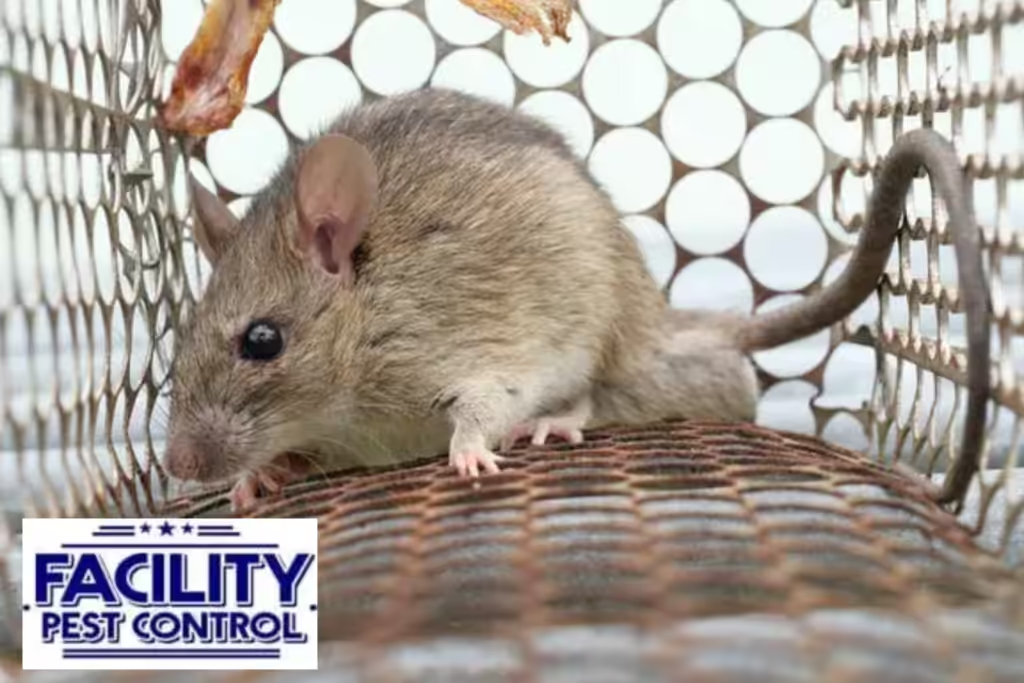
The most common signs of a rodent infestation include droppings, scratching noises at night, gnaw marks, and strong odors. If you notice more than one of these rodent signs at the same time, there is a strong chance you are dealing with a larger hidden problem that requires professional attention.
If you’ve started noticing these signs of rodents in your home, it’s important to act quickly. In areas like Woodland Hills, where access to food and shelter is easy, infestations can grow rapidly. This is why many homeowners turn to rodent control in Woodland Hills for long-term solutions instead of temporary fixes.
What Causes Rodent Infestations
Rodents enter homes in search of food, water, and shelter. Even small crumbs, unsealed food, or minor leaks can attract them. Cluttered areas such as attics, garages, and crawl spaces provide ideal nesting environments.
If these conditions are not addressed, rodent infestation signs will continue to appear even after short-term solutions.
9 Clear Signs of a Rodent Infestation
Recognizing the signs of a rodent infestation early can help prevent costly damage and health risks.
Scratching Noises at Night
Rodents are nocturnal and often active when your home is quiet. Scratching or movement within walls or ceilings is one of the earliest signs of rodent activity.
Gnaw Marks and Holes
Rodents chew constantly to maintain their teeth. Damage to baseboards, furniture, or walls is a clear indicator.
Droppings
Droppings are one of the most obvious signs of rodent infestation. They are small, dark, and typically found near food sources.
Foul Odors
A musty or ammonia-like smell often comes from rodent urine and droppings. In some cases, a strong odor may indicate a hidden dead rodent.
Tracks and Footprints
Rodents leave tracks in dusty or undisturbed areas. These can reveal where they are most active.
Damaged Food Packaging
Chewed boxes or opened containers are common rodent infestation signs, especially in kitchens and pantries.
Increased Pet Activity
Pets often detect rodents before humans. If your pet is focused on a specific area, it could indicate hidden activity.
Grease Marks Along Walls
Rodents follow the same paths repeatedly, leaving greasy smudges along walls and baseboards over time.
Seeing a Rodent
Seeing even one rodent can indicate a larger infestation. Rodents usually stay hidden unless populations are growing.
Where Rodents Hide in Your Home
Rodents prefer hidden areas where they can remain undetected. Common hiding spots include attics, crawl spaces, inside walls, and behind appliances.
Because these areas are rarely inspected, infestations can grow quickly before becoming obvious.
Health Risks of Rodent Infestations
Rodents are not just a nuisance. They can spread bacteria and diseases through their droppings, urine, and saliva. Contaminated surfaces and food can pose serious health risks to your household.
This is why identifying early signs of rodents is critical for maintaining a safe living environment.
Damage Rodents Can Cause
Rodents can cause extensive damage to your property. They chew through wires, increasing the risk of electrical fires. They also damage insulation, furniture, and stored items.
In kitchens and storage areas, they contaminate food, making it unsafe to consume.
How Fast Rodents Multiply
Rodents reproduce quickly, which means a small issue can become a major infestation in a short time.
This rapid growth makes it essential to act as soon as you notice rodent signs, rather than waiting for the problem to worsen.
DIY vs Professional Rodent Control
DIY methods such as traps and cleaning can help with minor issues, but they often fail to eliminate the root cause.
Professional Woodland Hills rodent control services go beyond surface-level treatment by identifying entry points, removing nests, and preventing future infestations.
Rodent Prevention Tips
Preventing rodents starts with removing what attracts them. Store food properly, fix leaks, and reduce clutter in storage areas. Sealing entry points is one of the most effective ways to keep rodents out.
Regular inspections can also help detect signs of rodent infestation early, before they become more serious.
Rodent Control in Woodland Hills, CA
Rodent infestations are common in both residential and commercial properties. The local environment provides ideal conditions for rodents to thrive if preventive measures are not in place.
Working with a trusted rodent control provider in Woodland Hills, CA, ensures that infestations are addressed thoroughly and prevent a recurrence. Professional services provide a long-term solution that DIY methods often cannot match.
Our Rodent Control Process
Our process begins with a detailed inspection to locate entry points and nesting areas. We then apply targeted treatments and seal access points to prevent re-entry.
Follow-up visits ensure the infestation is fully resolved and your property remains protected.
Why Choose Facility Pest Control
Facility Pest Control has years of experience handling rodent infestations. Our team focuses on identifying the source of the problem, applying effective treatments, and implementing long-term prevention strategies.
We understand the challenges involved in rodent control in Woodland Hills and tailor our approach to each property for the best results.
Get Rid of Rodents for Good
If you’ve noticed multiple signs of a rodent infestation, taking action early can save you time, money, and stress.
Contact us today for reliable rodent control. Our team will assess your situation, provide effective treatment, and help you maintain a safe, pest-free environment.
Frequently Asked Questions
What are the first signs of rodents?
The earliest signs of rodents include scratching noises, droppings, and unusual odors.
Are rodents dangerous?
Yes, they can spread diseases and contaminate food, making them a health risk.
How do rodents get into homes?
They enter through small gaps, cracks, and openings in walls, doors, and foundations.
Do rodents go away on their own?
No, infestations typically worsen over time without proper treatment.
Other related blogs:
5 Types of Diseases That Rodents Carry