By the Facility Pest Control team, reviewed by Sam Karbelnig, owner
While pocket gophers may look cute, they are actually a real pest. Burrowing rodents can make a mess of gardens and lawns, and what’s more, the things growing in your garden may feature on their list of ‘favorite foods’. The good news is that it is possible to get rid of pocket gophers, and in our guide today, we will show you some of the ways you can achieve this, including effective gopher conta
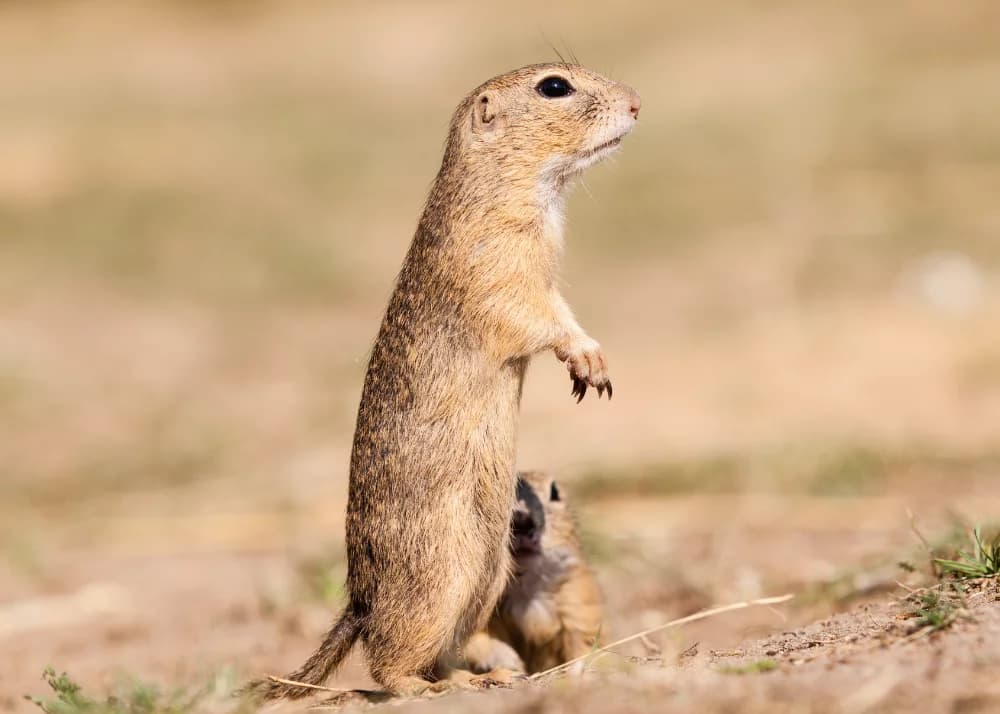
While pocket gophers may look cute, they are actually a real pest. Burrowing rodents can make a mess of gardens and lawns, and what’s more, the things growing in your garden may feature on their list of ‘favorite foods’. The good news is that it is possible to get rid of pocket gophers, and in our guide today, we will show you some of the ways you can achieve this, including effective gopher containment methods. Read on to find out more.
What Are Pocket Gophers?
Pocket gophers and gophers are the same thing. Of the rodent family, Geomyidae are so named because they have cheek pouches or ‘pockets’ in which they store mulched food and nesting material. They reach an average size of around 15 cm in length and are a pale brown in color.
As pocket gophers are rodents, their front incisor teeth never stop growing. As a result, they need to constantly wear their front teeth away by gnawing and chewing. This can be extremely detrimental to tree roots and plants, not to mention underground cables, pipes, and garden furniture! Effective gopher treatment can help mitigate this damage and protect your property.
Pocket gophers live in underground burrow networks that can be extensive. And, in extreme cases, their earthworks can compromise the foundations of buildings and structures.
Do I Have a Pocket Gopher Problem?
Gophers tend to shy away from threats where possible, so if you have seen one, there is a good chance that you have a problem, as overcrowding will force them into the open.
Other signs that you have a pocket gopher problem may include: –
- Raised mounds of dirt on your lawn or in your garden
- Trees are beginning to die. This is particularly evident if only one side of the tree looks unhealthy, as gophers may only damage one side of the root structure
- Vegetables in your garden mysteriously disappear overnight
- Garden flowers failing to flourish
- Problems with your garden, electrical, or water systems
The good news is that once you have identified a gopher problem, you’ll be able to address and deal with it.
Here’s how.
How to Get Rid of Pocket Gophers in California
There are several tactics you could employ to get rid of pocket gophers. They are all effective, but it may take some time to control gophers. Here are some great suggestions to send them packing!
Gopher Barriers
If pocket gophers can’t get to roots, then they can’t damage them. A gopher barrier is simply a wall of mesh used to surround tree roots.
The downside to this tactic is that it only really works for trees that are to be freshly planted. And, while it is effective, it won’t prevent the gophers from tunneling elsewhere in your garden. It can also be quite challenging to dig, as the minimum depth we recommend is around 2 feet.
Gopher Traps
Gopher traps can be effective, and there are both humane ‘live traps’ and others that will kill the gopher. The traps have to be baited and placed with care. Gophers will avoid any trap in which they can detect human scent.
Traps can be tricky to dig and place. They also need to be monitored and checked regularly. What’s more, even if they are successful, you’ll either have the messy job of removing a dead gopher or the tricky job of handling a live one.
Strong Smelling Plants
Gophers have an excellent sense of smell and, as a result, tend to shy away from strong scents. You can create this naturally by planting various herbs and other types of plants. Here are some strong-smelling plant suggestions that will help keep pocket gophers away:
- Garlic or onion bulbs
- Sage
- Rosemary
- Thyme
- Lavender
- Mint
- Oleander
Gopher Repellent
If you haven’t got the time or inclination to wait for herbs and strong-smelling plants to grow (or the gophers have made growing things impossible), there are also man-made solutions. These can be quite effective. Simply take a rag and soak it in one of the following scents before stuffing it down the gopher’s burrow:
- Chilli powder or hot sauce
- Mint oils, peppermint works particularly well
- Eucalyptus oils
- Menthol
- Washing powder or fabric softener
- Bleach
- Garlic Oil
- Camphor
Allow Pets to Roam
Your pets may be your best friend in more ways than one. Cats will quite happily pursue and kill gophers. There are also certain dog types, such as terriers, that were originally custom-bred to kill rodents.
Your pets don’t actually need to catch the gophers either. Gophers will often seek refuge further away from your property with a continued predatory presence.
Ultrasonic Warfare
Gophers, being small rodents, are often the first thing on the menu for many wild animals. As a result, they’ve evolved a strong self-protective instinct. This means that if they feel threatened, they may seek safer areas (away from your garden).
You can instill a sense of fear in gophers by making a lot of noise above the surface. While things like wind chimes and even everyday activity may deter them, ideally, you’ll need a more continuous solution.
It is possible to purchase ultrasonic spikes that are charged using solar power. These emit a continuous low-frequency buzz that disturbs the gophers. These can be effective, but they are better for preventing gophers from arriving in the first place and aren’t so effective once they are established.
Getting Rid of Pocket Gophers in California. The Easiest Way
There’s an easy way to get rid of pocket gophers. It is guaranteed and doesn’t involve digging holes for mesh wires, ultrasonic devices, or planting fields of garlic.
A professional pest control company will be able to attend to your property, assess your problem, and quickly and rapidly remove pocket gophers.
Facility Pest Control specializes in pocket gopher removal. With over 15 years of experience and serving the California area, we can use specialist professional techniques such as gas treatment to rid your property of gophers for good. Contact Facility Pest Control today for a quote.
In addition to implementing the previously mentioned strategies for managing pocket gophers, it’s important to recognize that these pests can cause significant damage to lawns, gardens, and landscaping. If you’re experiencing challenges with pocket gophers, seeking professional assistance can provide effective and tailored solutions. Gopher control services offer specialized expertise in addressing pest issues, ensuring that your property remains safe and your outdoor spaces thrive.