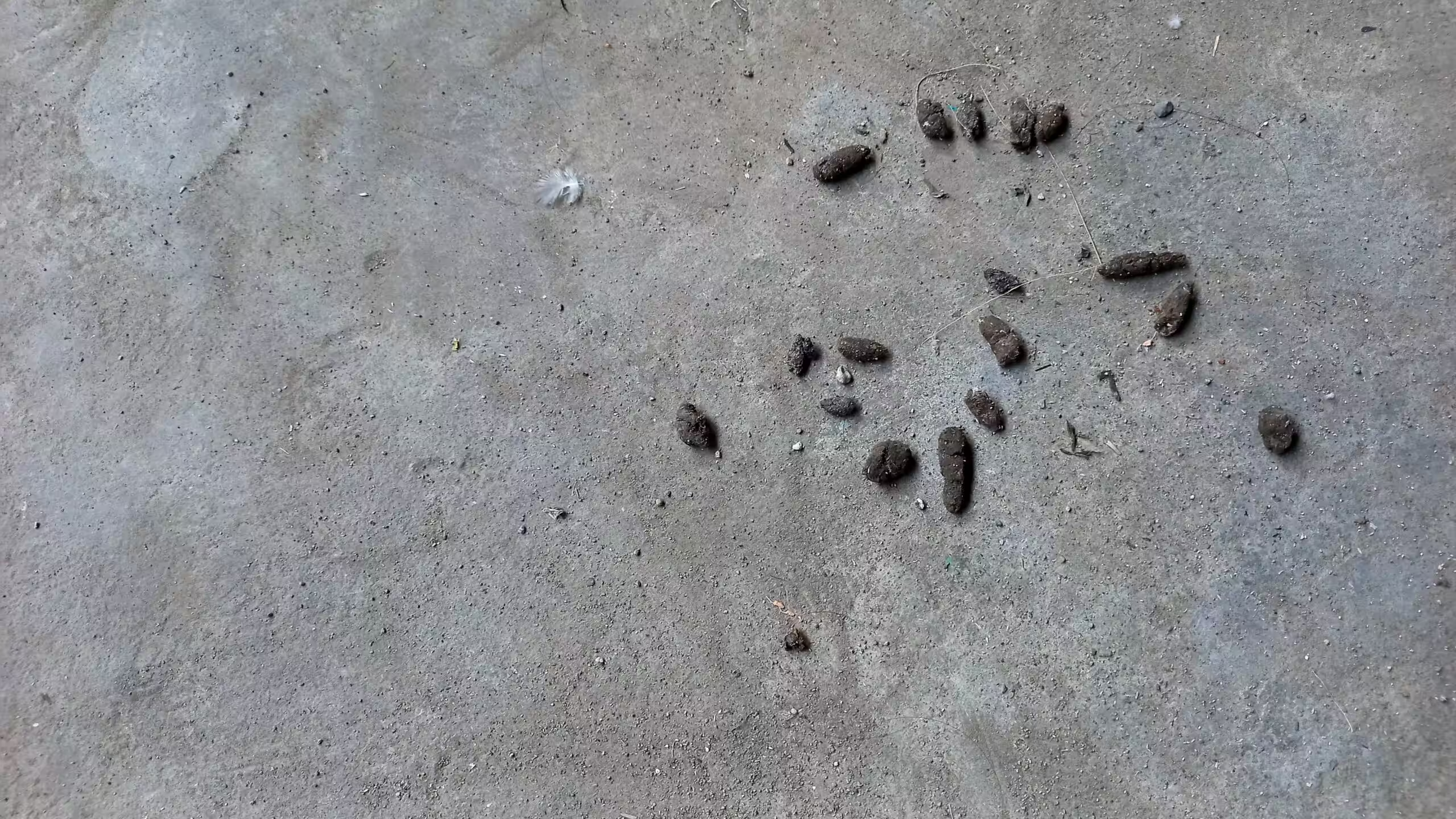
Rodent poop is one of the most telling signs of a rodent infestation in your home or business. Pest control experts understand the importance of identifying rodent droppings to determine the species of rodents causing the problem. In this guide, we’ll show you how to identify different types of rodent poop, why it matters, and how pest control Tarzana CA professionals can help you solve your rodent problems.
What is Rodent Poop?
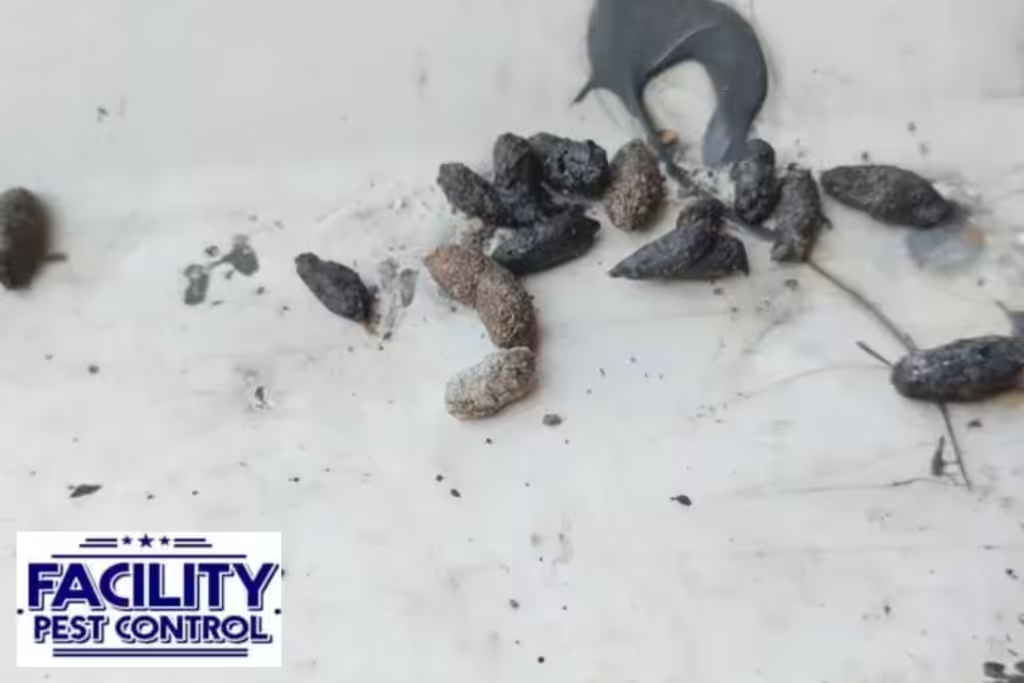
Rodent poop refers to the droppings left behind by various types of rodents, such as mice, rats, squirrels, and more. These droppings vary in size, shape, and color depending on the rodent species. Pest control Tarzana specialists can use the characteristics of rodent droppings to pinpoint the type of rodent invading your home and provide targeted treatments.
Pest Dropping Identification: A Key to Effective Pest Control
Pest dropping identification is a crucial step in understanding the pest problems you’re facing. Different pests leave different types of droppings, which can provide valuable clues about the kind of infestation you have. By correctly identifying these droppings, you can take appropriate steps to address the problem before it escalates. In cases of rodent infestations, rodent control experts can help you accurately identify the droppings and implement effective strategies to eliminate the problem.
Types of Pests and Their Droppings:
- Rodents – As we’ve already covered, rodent droppings are often small, oval, and dark in color. Mice, rats, and squirrels have distinct dropping characteristics that help identify them. Mice droppings are smaller and pointed, while rat droppings are larger and more oval.
- Cockroaches – Cockroach droppings are typically small and cylindrical. They can be black or brown and may look like small pepper flakes or coffee grounds.
- Bats – Bat droppings, or guano, are similar to rodent droppings but have a crumblier texture and may have an insect-like appearance.
- Birds – Bird droppings are larger, typically white or greenish, and contain a liquid component. They are often found on ledges, windowsills, and areas where birds roost.
By identifying the type of pest droppings, you can better understand the pest you’re dealing with and determine the most effective pest control approach.
5 Key Elements of Rodent Poop Identification
Understanding the different characteristics of rodent droppings is crucial for effective pest control. Here are five key elements to look for when identifying rodent poop:
- Size and Shape
- Mouse droppings: About ¼ inch long, pointed at both ends.
- Rat droppings: About ½ to ¾ inch long, oval with blunt or slightly rounded ends.
- Squirrel droppings: Similar in size to rat droppings, but more oblong with tapered ends.
- Chipmunk droppings: Similar to mouse droppings but smaller and neatly arranged.
- Color
- Mouse droppings: Dark brown to black.
- Rat droppings: Dark brown to black, shiny when fresh.
- Squirrel droppings: Light brown to reddish-brown.
- Chipmunk droppings: Brown to black, often neatly piled.
- Quantity
- Mice: Prolific poopers, with one mouse leaving 50–75 droppings a day.
- Rats: Less frequent but still leave noticeable droppings.
- Squirrels: Scattered droppings near nests or food sources.
- Texture
- Fresh droppings are shiny and soft.
- Older droppings become dull and dry.
- Location
- Mice: Found in kitchens, cabinets, or near food storage.
- Rats: Found in basements, garages, or along walls.
- Squirrels: Found near nests, often in attics.
What To Do if You Find Rodent Poop in Your Home
If you find rodent poop in your home, it’s essential to act quickly. Here’s what to do:
- Do Not Disturb the Nest: Disturbing the nest can cause rodents to scatter, making the infestation harder to control.
- Wear Protective Gear: Rodent droppings can carry diseases, so wear gloves and a mask before cleaning them up.
- Clean Up Safely: Avoid sweeping or vacuuming droppings. Instead, use a disinfectant spray and paper towels to pick them up and dispose of them in a sealed plastic bag.
- Contact a Professional: If you’re unsure whether you have a rodent infestation or need help with removal, Tarzana pest control experts can help.
When Should You Call Pest Control Tarzana, CA?
If you notice a significant number of rodent droppings or other signs of rodent activity (like gnaw marks, nests, or noise in the walls), it’s time to call in Tarzana pest control professionals. Early intervention can prevent further damage and associated health risks from rodent infestations.
Conclusion
Identifying rodent droppings is an essential step in managing a rodent infestation. By understanding the differences between mouse droppings, rat droppings, and others, you can take quick action to prevent a larger issue. For comprehensive and professional pest control services, don’t hesitate to contact Facility Pest Control. Our team of experts can help you identify, manage, and prevent rodent problems, ensuring your home or business remains pest-free.
Call to Action:
Contact us today for a thorough inspection and customized pest control solution tailored to your needs. Don’t wait, and let’s tackle your rodent problem together!
People Also Ask:
Q: How can I tell what type of rodent is in my home based on droppings?
A: Rodent poop identification involves examining the size, shape, color, and quantity of the droppings. Mice leave small, pointed droppings, while rats have larger, oval droppings. Squirrels and chipmunks produce droppings similar to those of rats, but with distinct characteristics such as shape and color.
Q: What rodent has round poop?
A: Squirrels are known for leaving rounder poop, which is typically more oblong with slightly tapered ends. Rat droppings are often more oval, and mouse droppings are smaller and pointed.
Q: Can rodent droppings make me sick?
A: Yes, rodent poop can carry dangerous diseases like hantavirus, salmonella, and leptospirosis. It’s crucial to clean up droppings safely and seek professional help if necessary.
Q: How do I clean up rodent droppings safely?
A: When cleaning rodent droppings, always wear gloves and a mask. Use a disinfectant spray on droppings and avoid sweeping or vacuuming, as these can release harmful particles into the air. Dispose of the droppings in a sealed plastic bag.