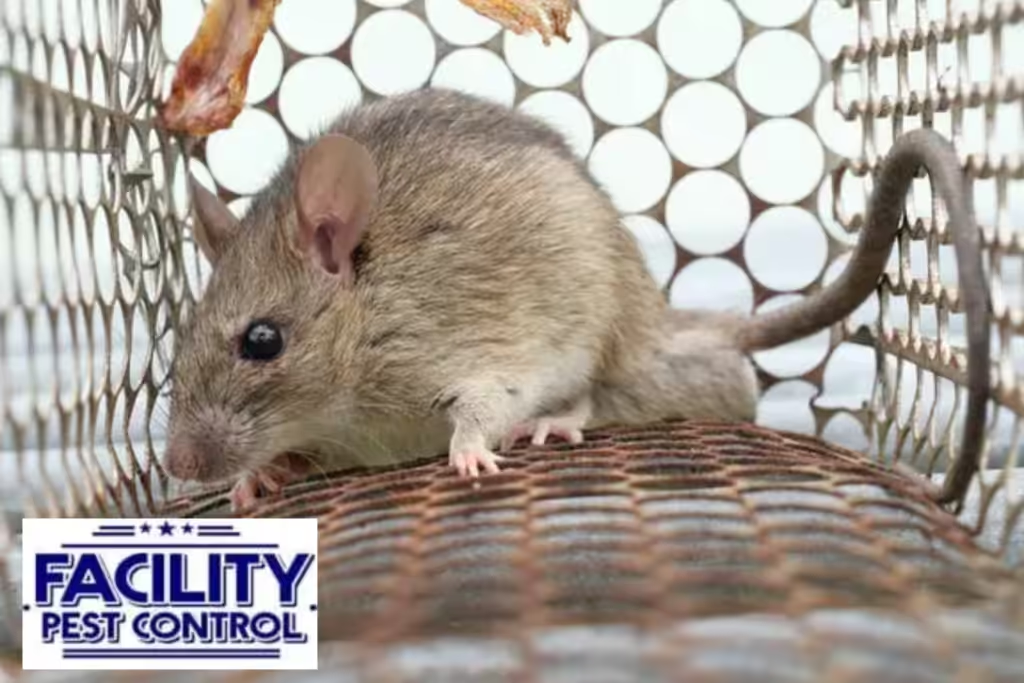
When it comes to managing a facility, whether an office, warehouse, school, or retail space, pest control is a top priority. Nobody wants to deal with the telltale signs of a rodent infestation: chewed wires, droppings, gnawed furniture, or even the unsettling sound of scurrying feet in the walls. While professional pest control services are often the go-to solution, many facility managers and homeowners alike explore natural deterrents to keep rodents at bay. One question that usually arises is: Can cinnamon be an effective rodent repellent?
Let’s dig into this spicy solution, discuss its potential benefits, and explore whether it’s the right fit for your pest control plan in Tarzana, CA.
The Basics of Rodent Behavior
Before we dive into cinnamon’s pest-repelling properties, it’s important to understand what makes rodents tick. Rats and mice are highly adaptable creatures with keen senses of smell. They’re constantly on the hunt for food, water, and shelter, which is why facilities with abundant resources (think food scraps, leaky pipes, or cluttered storage areas) often attract them.
Their keen sense of smell makes many natural deterrents, such as peppermint oil, ammonia, and, yes, cinnamon, intriguing options. Rodents are generally repelled by strong, pungent odors that overwhelm their olfactory systems. But does cinnamon pack enough of a punch to send these unwelcome guests running?
Cinnamon: The Spicy Contender in Rodent Repellents
Cinnamon has long been touted as a natural remedy for various household and facility issues, from deterring ants to masking unpleasant odors. But what about rodents? Let’s break down why cinnamon is thought to work and evaluate the science behind the claim.
Why Cinnamon Might Work
- Strong Scent: Cinnamon has a potent, spicy aroma that can be overwhelming to sensitive noses, including those of rodents. The theory is that placing cinnamon in rodent-prone areas creates an environment they find unpleasant and are likely to avoid.
- Essential Oils: Cinnamon essential oil, in particular, contains compounds like cinnamaldehyde, which give it its distinctive smell and potential pest-repelling properties. Some studies have suggested that essential oils disrupt the pheromone trails and communication pathways of pests.
- Natural and Safe: Unlike chemical pesticides, cinnamon is non-toxic and safe for use in environments where children or pets might be present. This makes it an appealing option for facility managers looking to maintain a green, eco-friendly approach to pest control.
How to Use Cinnamon as a Rodent Repellent
If you’re considering using cinnamon to repel rodents in your facility, here are some practical ways to implement it:
- Sprinkle Ground Cinnamon: Spread ground cinnamon in areas where rodents are likely to enter, such as doorways, windowsills, or along walls. The strong smell might deter them from crossing into these zones.
- Apply Cinnamon Essential Oil: Mix cinnamon essential oil with water, then spray it into rodent-prone areas. Focus on dark corners, under furniture, and near potential entry points. For a stronger effect, soak cotton balls in the oil and place them strategically.
- Combine with Other Natural Deterrents: Pair cinnamon with other repellents, such as peppermint oil or cloves, for a multi-sensory defense. This combination can create a more robust barrier against rodents.
- Refresh Regularly: The smell of cinnamon fades over time, especially in high-traffic areas or well-ventilated spaces. Make sure to reapply or replace cinnamon-based deterrents every few days for maximum effectiveness.
The Science (or Lack Thereof) Behind Cinnamon’s Effectiveness
While anecdotal evidence abounds, scientific studies on cinnamon as a rodent repellent are limited. Most research on natural rodent deterrents focuses on essential oils such as peppermint and eucalyptus. That said, the following points provide some insight:
- Anecdotal Success Stories: Facility managers and homeowners who have tried cinnamon often report mixed results. Some swear by its effectiveness, while others see no noticeable difference. This variation could be due to the severity of the infestation, environmental factors, or the method of application.
- Chemical Composition: Cinnamaldehyde in cinnamon essential oil shows promise as a pest irritant. However, its effectiveness specifically against rodents hasn’t been extensively studied.
- Rodent Adaptability: Rodents are incredibly adaptable creatures. Even if cinnamon initially deters them, they may get used to the smell over time and return. This adaptability is one reason why natural repellents alone may not solve a severe infestation.
Does Cinnamon Attract Mice?
While cinnamon is typically used as a rodent repellent, there is debate over whether it could attract mice rather than repel them. The answer lies in how the cinnamon is used.
- Cinnamon in Large Quantities: If large quantities of cinnamon are used to mask odors, some rodents may be attracted to the environment, believing there’s a food source nearby. However, this is more likely to happen if the cinnamon is not applied properly (for example, if it is used in excessive amounts in areas where rodents are actively foraging).
- Scent Strength: Mice and rats are highly sensitive to strong smells, and while cinnamon’s strong scent is typically unpleasant to them, the smell can also mask food smells. If rodents are already in the area searching for food, the cinnamon may briefly distract them. But generally, cinnamon’s strong, spicy smell is known to deter rather than attract rodents.
Therefore, when used correctly and in moderation, cinnamon is unlikely to attract mice, and instead, it will function as a deterrent.
The Pros and Cons of Using Cinnamon as a Rodent Repellent
Like any Tarzana pest control method, using cinnamon has its advantages and limitations. Here’s a breakdown to help you decide whether it’s worth a try for your facility:
Pros
- Natural and Eco-Friendly: Safe for use around people, pets, and the environment.
- Cost-Effective: Cinnamon is inexpensive and widely available.
- Multi-Purpose: In addition to repelling rodents, it can also improve the smell in your facility.
Cons
- Limited Scientific Evidence: While promising, there’s no conclusive proof that cinnamon effectively repels rodents.
- Temporary Solution: The smell fades quickly and requires frequent reapplication.
- Not a Standalone Fix: Cinnamon is unlikely to address the root causes of a rodent infestation, such as food sources or entry points.
Building a Comprehensive Pest Control Plan
While cinnamon might help as a natural deterrent, it’s best used as part of a larger pest control Tarzana strategy. Here’s how to ensure your facility remains rodent-free:
- Seal Entry Points: Inspect your facility for gaps, cracks, or holes that could allow rodents to enter. Use caulk, steel wool, or other materials to seal these openings.
- Maintain Cleanliness: Rodents are attracted to food and clutter. Keep your facility clean by promptly disposing of garbage, storing food in sealed containers, and reducing clutter in storage areas.
- Eliminate Water Sources: Fix leaky pipes, dripping faucets, and standing water to deprive rodents of a basic need.
- Use Traps and Baits: Traditional snap traps, glue traps, or bait stations can help control an active infestation. Make sure to place them in areas with high rodent activity.
- Hire Professionals: If the problem persists, enlist the help of a professional pest control company. They can provide tailored solutions and ongoing monitoring to keep your facility pest-free.

Final Thoughts: Is Cinnamon the Rodent Repellent You’ve Been Searching For?
Cinnamon may have potential as a natural rodent deterrent, thanks to its strong scent and eco-friendly properties. However, it’s not a magic bullet. While it might help in deterring the occasional mouse, it’s unlikely to solve a full-blown infestation on its own. For managers in Tarzana, the key to effective rodent control lies in a combination of preventive measures, cleanliness, and professional assistance when needed. If you’re intrigued by the idea of using cinnamon, give it a try, just be sure to pair it with other proven strategies for the best results.
When seeking expert help, consider trusted pest control Tarzana CA services to ensure a comprehensive approach. After all, a pest-free facility isn’t just about keeping rodents out; it’s about creating a safe, clean, and comfortable environment for everyone who enters.
Call to Action:
Dealing with a rodent issue? Contact us today for professional inspection and effective solutions to safeguard you from mice and other pests.