Dealing with a wasp and hornet problem at your home or business in Woodland Hills can be tough. It’s important to find a trustworthy and affordable exterminator to help you. In this blog post, we’ll cover what you need to know about the costs of hiring a wasp exterminator in Woodland Hills. This information will help you make a smart choice when picking a service provider like Facility Pest Control for your wasp issue.
How To Spot A Wasp Nest
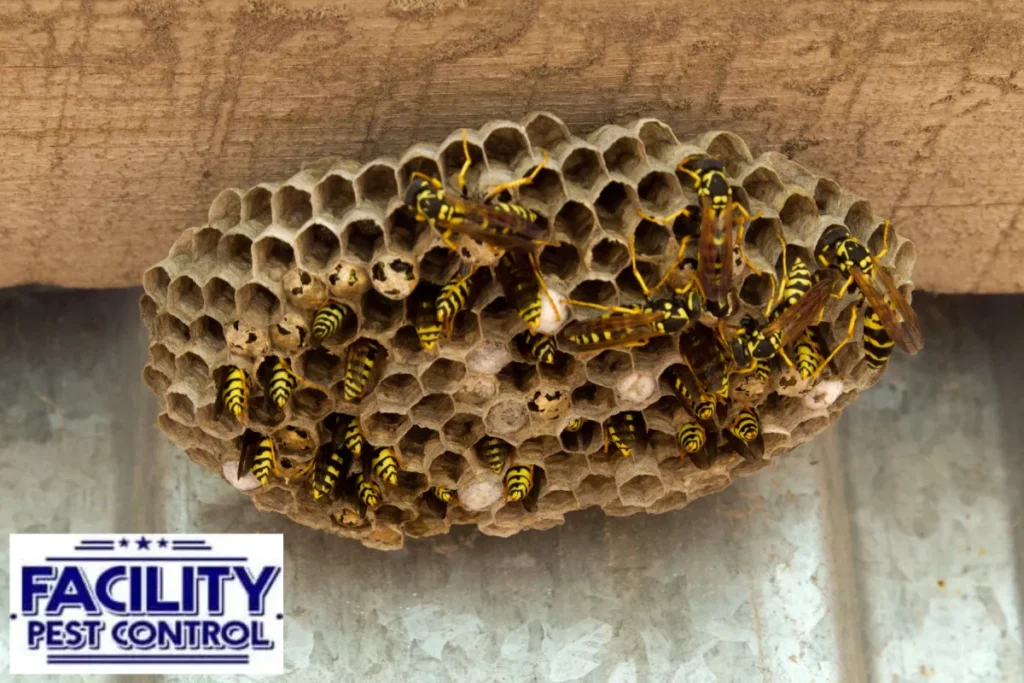
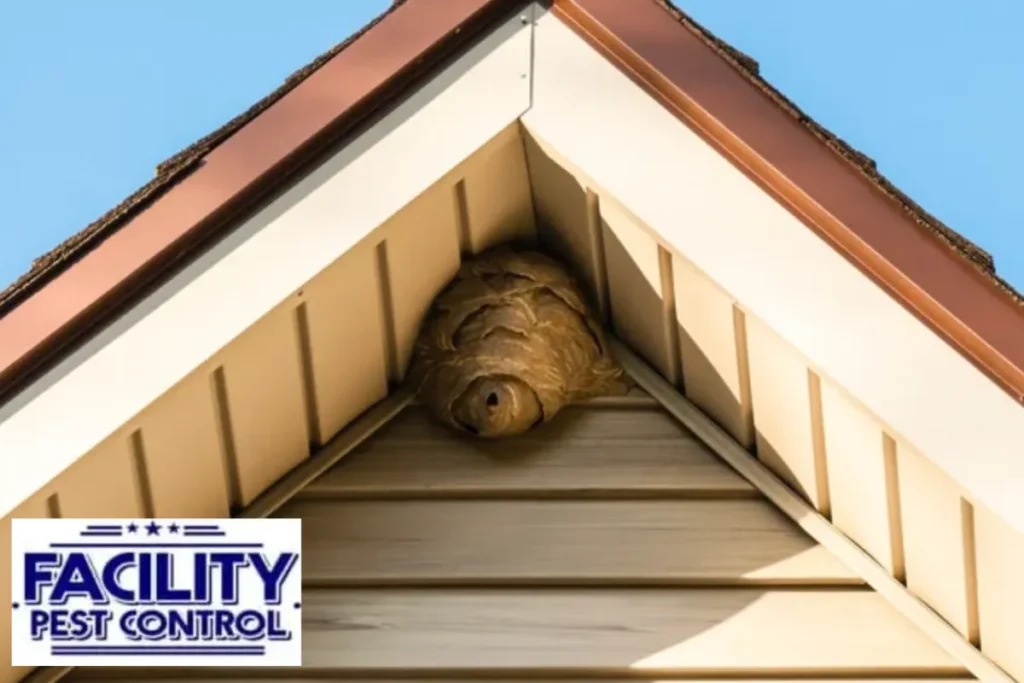
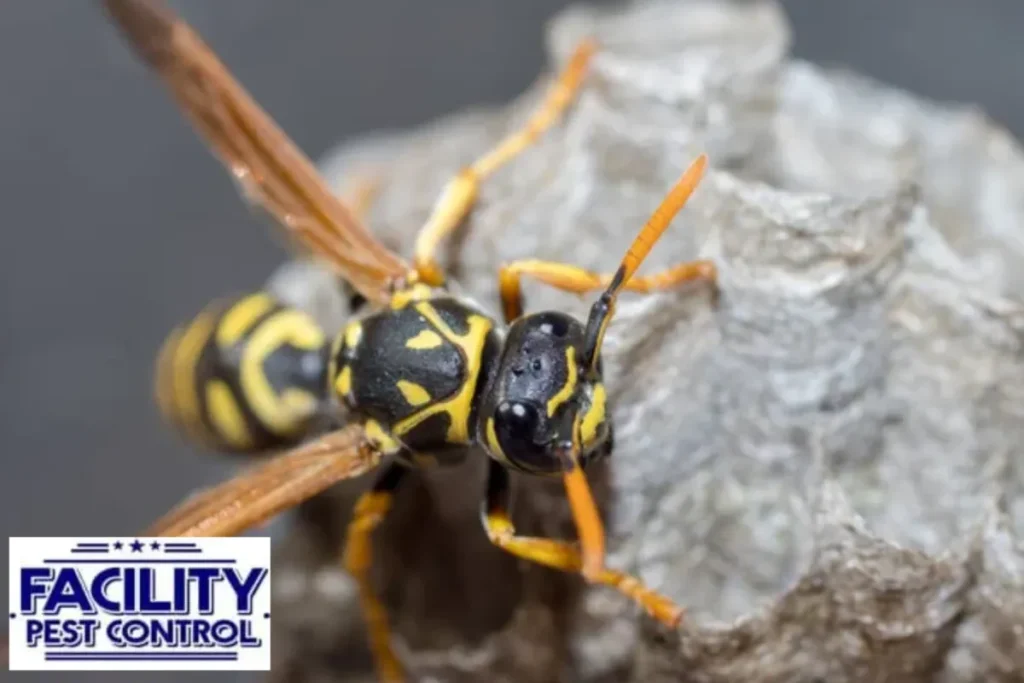
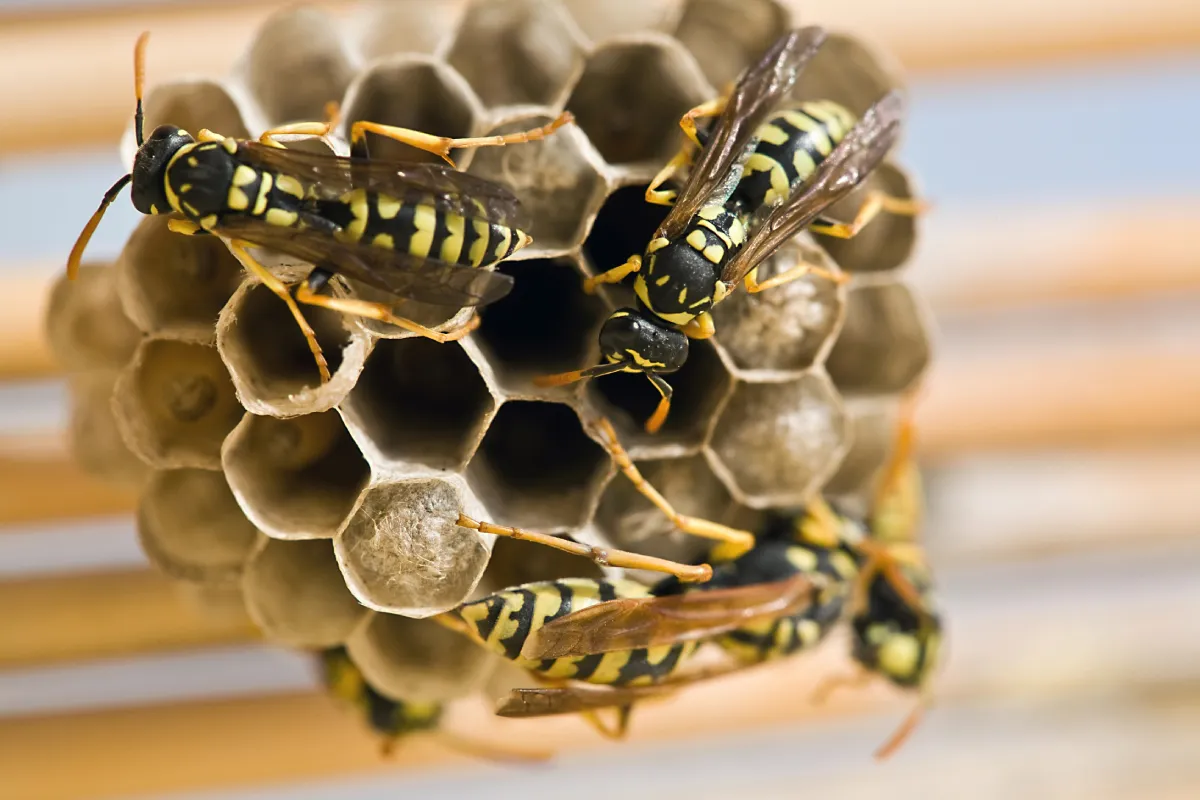
Firstly, it is important to know what a wasp nest looks like so you can identify one early. Wasps typically create nests by chewing wood fiber and mixing it with saliva, forming a thin, papery structure. These nests can be found in tree hollows, underground, attached to the sides of homes, or even in attics, depending on the species. You may notice wasps flying in and out, which is a clear sign of activity, and some nests can contain thousands of wasps. Because wasps can sting multiple times, it is best to avoid getting close and never attempt to handle a nest yourself. If you find one, the safest approach is to contact a professional for proper wasp control and removal.
Common Locations for Wasp Nests in Yards
If you’re wondering where these nests might be hiding, consider checking the following common locations around your home:
- Eaves or rooflines of homes and garages.
- Hollow trees, fences, or wooden structures.
- Under decks or patios, and even in sheds.
Given Beverly Hills’ lush greenery and spacious yards, these areas make ideal spots for wasps to build their nests.
Understanding Wasp Exterminator Costs In Woodland Hills
The price for getting rid of wasps in Woodland Hills can change a lot. It depends on a few things. These include how bad the problem is, the size of your property, where the nests are located, and what kind of treatment you need. Understanding these factors will help you know how much you might pay and avoid unexpected costs.
Knowing the average cost for wasp removal in Woodland Hills can help when you look at quotes from different pest control in Woodland Hills, CA. Keep in mind that the lowest price might not always be the best choice. It is important to pick a good company that focuses on safety and works well to provide a free quote for removing wasps from your property.
Factors Influencing Extermination Costs
Several things affect the overall cost of getting rid of wasps. The size of your property and how bad the wasp problem is are the biggest factors. Bigger properties with a lot of wasps will need more time and help, which raises the cost. Where the wasp nests are located is also very important. Nests that are easy to reach will usually cost less to treat than those in hidden areas, like inside walls, attics, or underground.
The type of property matters too. Residential pest control and commercial properties can have different costs. Commercial places are often larger and may have special rules that add to the overall extermination cost. If you pick extra services, like prevention treatments or regular maintenance, these will also impact what you pay, especially in hard-to-reach areas and crevices.
Average Cost Range For Wasp Extermination
The average cost of wasp extermination in Woodland Hills and the greater Los Angeles area typically falls within a range. However, this can vary based on the factors mentioned above. Here’s a general idea of what you might expect:
| Service | Estimated Cost Range |
| Single Nest Treatment | $50 – $150 |
| Multiple Nest Treatment | $100 – $300 |
| Preventative Treatment | $150 – $400 |
| Annual Pest Management Service Contract | $200 – $500+ |
Remember that these prices are estimates. It’s always recommended to obtain a personalized quote from a reputable exterminator in Woodland Hills like Facility Pest Control for accurate treatment options and pricing based on your specific needs.
What To Expect From A Professional Wasp Extermination Service
When you hire a wasp extermination service in Woodland Hills, you can expect a clear plan to get rid of the infestation. A good company will focus on being effective and safe during the whole process. They aim to eliminate the wasps while keeping you and your environment safe.
Starting with the initial inspection, they will move on to the ant treatment and follow-up steps. The goal is to give you a smooth experience and clear results. This will help you feel at ease. Knowing these steps lets you know what to expect and helps you work well with the pest control team.
Initial Inspection And Assessment
The process usually starts with an initial inspection of your property. In this step, the technician looks at how bad the wasp problem is. They find where the nests are and check for any risks or things that might have caused the infestation. This helps create the right treatment options for your needs.
The technician will look for nests in both clear spots and in hidden areas, like attics, crawl spaces, or inside walls. After seeing what they find, they’ll suggest the best treatment options based on how serious the infestation is, where the nests are, and what’s special about your property.
Treatment Options And Strategies
Professional wasp exterminators use different treatment options to get rid of wasp infestations. They may use:
- Pesticides: They apply insecticides directly to the nests and nearby areas. This helps to eliminate wasps and stop them from coming back.
- Dust treatments: Insecticidal dusts are put right into the nests. This is especially useful for nests that are hard to reach. It helps kill wasps and larvae deep inside the nest.
- Traps: Setting up traps can help alongside other methods. These traps attract wasps and capture them, so they cannot return to the nest.
Besides dealing with the nests, professionals may also take steps to prevent wasps in the future. They might seal entry points or fix moisture problems to stop wasps from coming back.
Why Choose Facility Pest Control For Your Wasp Problem
Facility Pest Control is a trustworthy exterminator in Woodland Hills. They make sure your wasp problem is taken care of with great care. Their skilled team is focused on providing safe and effective services. This gives you peace of mind.
They prioritize customer satisfaction. With their knowledge and experience, they are the best choice for fixing your wasp infestation. Their goal is to help create a pest-free space in your home or office in Woodland Hills.
Experienced And Trained Technicians
At Facility Pest Control, we have a team of skilled and experienced workers. They know a lot about how wasps behave and how to control them effectively. Our team members can deal with different wasp problems. This includes small nests in homes and larger issues in businesses.
They use their skills to identify the kind of wasp, find all the active nests on your property, and choose the best way to treat the issue safely, including methods for termites. We work hard to keep up with the newest Woodland Hills pest control services and technologies. Our team undergoes ongoing training to provide the best service in Woodland Hills.
Safe And Effective Treatment Methods
Facility Pest Control focuses on safe treatment methods. We care about your family’s health, your pets, and the environment. We know it’s important to use fewer harsh chemicals. That’s why we choose targeted methods to get rid of wasps while reducing risks.
Our effective methods are carefully chosen to target wasps and address any pest problem, ensuring your mattress and other belongings remain safe. We want to protect helpful insects and the local environment as much as we can. We also want you to feel at ease. That’s why we use eco-friendly practices whenever we can. This way, we provide pest control services that are safe and responsible.
Frequently Asked Questions
How much does wasp extermination cost?
Costs vary based on the nest size, infestation severity, location, and treatment required.
What affects the cost of wasp removal?
Nest accessibility, the number of nests, property size, and whether preventative treatments are needed can affect pricing.
Can I remove a wasp nest myself?
It’s safest to avoid disturbing an active nest. Professional treatment helps reduce the risk of stings and ensures proper removal.
How does Facility Pest Control treat wasps?
Facility Pest Control inspects the property, identifies active nests, and uses targeted treatment methods based on the infestation.
Conclusion
If you have a wasp problem, it’s important to know the costs and services involved. The size of the infestation and how we treat it can affect the total cost. At Facility Pest Control, our skilled team offers safe and effective solutions just for you. We provide in-depth inspections, personalized treatments, and peace of mind.
Ready to Keep Your Yard Wasp-Free
Wasp infestations can quickly make your outdoor space unsafe and uncomfortable. Instead of risking stings or making the problem worse, trust professionals who specialize in safe and effective wasp control. Contact us today to schedule your inspection and take back your yard with confidence.
LEARN MORE HERE:
Are Wasp Control Services Worth It? Preventing Future Nests in Simi Valley